# Silver Price Builds Strong Base Above $70, Says Amplify ETFs
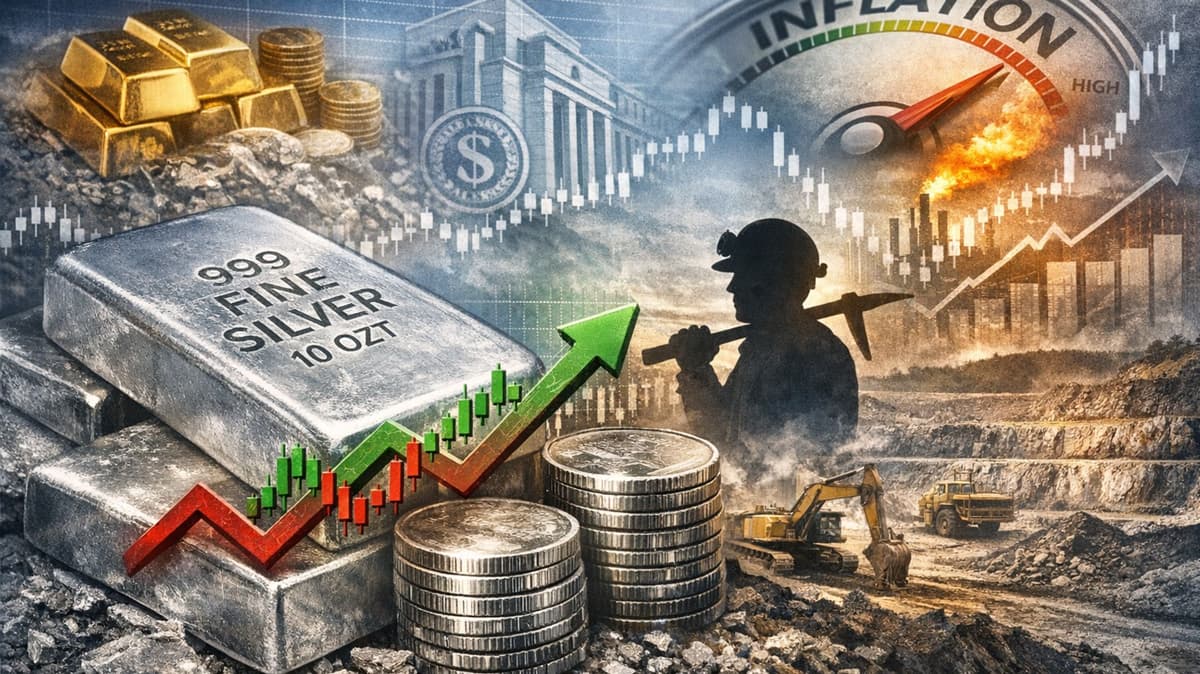
Silver prices are consolidating above $70 per ounce after retreating from January’s record highs above $120, and Amplify ETFs says that strength matters. According to Nate Miller, Vice President of Product Development at Amplify ETFs, the precious metal is now building an elevated base that could support the next move higher.
For Indian investors, that matters because silver often tracks both global inflation expectations and industrial demand. A stable silver price can also affect bullion sentiment, silver imports, mining equities, and the broader precious metals complex, including gold.
What is driving silver prices to hold above $70?
Silver is holding above $70 because the market is stabilising after a sharp rally, not collapsing after a speculative spike. Nate Miller told Kitco News that silver appears to be entering a consolidation phase, but the broader outlook remains constructive.
He said silver may feel “a little less exciting” at $60 or $70 than at $120, but it remains relevant and important as an asset. In his view, the market is showing important stability, which points to a structural shift after decades of trading in a roughly $25 to $30 per ounce range.
That change is significant for bullion investors. Holding elevated levels, even without an immediate breakout, suggests silver is establishing a stronger long-term floor.
Why does consolidation matter for bullion investors?
Consolidation matters because it can strengthen the base for a more durable uptrend. Miller described the current phase as a necessary and “healthy digestion” after silver’s powerful early-year rally.
Some traders may find sideways price action frustrating, especially after January’s move above $120 an ounce. But Miller argued that this pause is positive because it allows the market to absorb gains while keeping the broader trend intact.
Will silver prices return to $100 or $120 per ounce?
Silver could revisit $100 or $120, but Miller said that kind of breakout will likely require sticky inflation. Without persistent inflation pressure, he expects silver’s upside to be more moderate.
He said that if inflation stays sticky, silver’s store-of-value appeal could re-emerge more forcefully. In that environment, both silver and gold would likely benefit as investors seek protection against declining purchasing power.
How does inflation change the silver outlook?
Inflation is the key macro trigger for a larger silver rally. If inflation remains elevated, investors may increase exposure to precious metals, lifting demand for both silver and gold.
Miller said a sticky inflation backdrop could reignite the precious metal’s monetary and store-of-value trade. That would improve the case for a sharper upside move in XAGUSD and support broader precious metals sentiment.
What happens if inflation pressures fade?
If inflation proves temporary, silver may still rise, but the move may be limited. Miller said that in this scenario, industrial demand would do most of the heavy lifting.
Under that softer inflation outlook, he sees silver potentially trading in a $70 to $80 range rather than delivering a dramatic breakout. That would still imply resilience, but not a return to January’s extreme highs above $120 an ounce.
Why is silver different from gold in an inflationary market?
Silver is different from gold because it sits between monetary demand and industrial demand. Miller said gold remains more directly tied to its role as a monetary metal, while silver straddles both investment and industrial channels.
That distinction matters for investors comparing gold price trends with silver price trends. In an inflationary environment, gold often reacts more directly to store-of-value buying, while silver depends on both safe-haven demand and real-economy usage.
For Indian investors, this means silver can behave differently from gold even when both are classified as precious metals. Gold bullion may respond faster to inflation fears, while silver may need added support from industrial activity.
What does this mean for Indian investors?
Indian investors should view silver as both a precious metal and a growth-linked asset. If global inflation stays elevated, silver and gold can both benefit, but gold may remain the cleaner hedge.
If inflation cools, silver can still hold up through industrial demand, which gives it a different risk-reward profile from gold. For rupee-based investors, moves in the U.S. dollar and INR can also affect domestic bullion prices, so global silver strength does not always translate one-for-one into local returns.
How does silver fit into a diversified portfolio?
Silver can act as a portfolio diversifier because it is a non-correlated source of returns relative to traditional equities and fixed income. Miller said that feature makes the current consolidation phase potentially attractive for investors who want to rebuild positions gradually.
That is especially relevant after a period of very strong returns in the sector. When prices stabilise at elevated levels, investors often get a chance to add exposure without chasing vertical moves.
Why is rebalancing important after big gains?
Rebalancing is essential because silver-linked investments can become oversized quickly after sharp rallies. Miller noted that some silver-focused strategies delivered gains of more than 200% over the past year.
He said disciplined portfolio management matters, particularly in silver equities and junior miners, where volatility can amplify returns in a bull market. The same leverage to the metal price can also magnify downside if sentiment weakens.
What does a silver price above $70 mean for miners?
A silver price above $70 improves project economics and encourages mine development. Miller said projects that did not make sense at $25 an ounce do make sense at $70.
That change is important for long-term supply. Elevated but stable prices give operators more confidence to advance projects that were previously uneconomic.
Why does price stability matter more than a short-lived spike?
Price stability matters because mining companies make capital decisions over years, not days. Miller said steady pricing is critical for long-term planning.
A brief surge to $120 may attract attention, but a sustained market near $70 can do more to unlock production, improve investment planning, and draw fresh capital into the mining sector.
Are silver miners in better financial shape now?
Yes, Miller said many mining companies are in a stronger financial position than in past cycles. He noted that miners have used higher prices to improve balance sheets rather than take on excessive risk.
That financial discipline could help the sector manage cost pressures better than before. It also raises the chances that new investment capital will flow into silver mining if prices remain elevated.
What risks could limit silver’s upside from here?
The biggest risks are fading inflation and rising input costs. Miller said economic uncertainty is supportive for silver, but it also creates challenges for producers and investors.
One issue is energy. He flagged rising input costs, especially higher oil prices, as a concern for mining margins.
How do energy costs affect silver mining?
Higher oil prices can squeeze profitability because mining is energy-intensive. Miller said the margin pressure from energy costs is likely temporary, but it remains an important watchpoint.
For investors in silver equities, this means bullion prices alone do not determine returns. Operating costs, capital discipline, and balance-sheet strength also matter.
For Indian investors watching the precious metals market, the key variable now is whether inflation stays sticky enough to revive silver’s store-of-value trade. If it does, silver could move beyond its current base above $70 per troy ounce; if not, the market may continue to consolidate in the $70 to $80 range while industrial demand does the heavy lifting.