# Platinum Price Outlook 2026: Metals Focus Sees 71% Surge
Platinum group metals are still set for strong gains in 2026, and platinum leads the pack, according to Metals Focus. The British research firm said tightening supply, rising investor demand and growing geopolitical fragmentation could push prices sharply higher across the PGM complex.
For Indian investors, the report matters beyond platinum alone. A sustained rally in platinum, palladium and rhodium can influence broader precious metals sentiment, affect jewellery demand shifts away from high gold prices, and reshape relative value decisions across bullion markets.
What is Metals Focus forecasting for platinum and other PGM prices in 2026?
Metals Focus expects platinum to deliver the strongest major upside in the PGM complex in 2026. In its newly released Platinum Group Metals Focus 2026 report, the firm forecast platinum prices to average $2,190 per troy ounce next year, up 71% year-on-year.
The report also projects broad-based gains across the rest of the platinum group metals market:
- Palladium: $1,570 an ounce, up 37%
- Rhodium: $10,200 an ounce, up 62%
- Iridium: $7,200 an ounce, up 64%
- Ruthenium: $1,560 an ounce, more than doubling
Why is platinum expected to outperform in 2026?
Platinum is expected to outperform because supply remains tight and investor demand has become a major price driver. Metals Focus said 2025 marked a decisive turning point for platinum group metals after several years of rangebound prices.
The firm expects platinum to record its fourth consecutive annual deficit in 2026, with the market facing a shortage of 312,000 ounces. Above-ground platinum stocks are also projected to fall to 9 million ounces, reinforcing the tightening physical picture.
How did investor demand change the platinum market?
Investor flows now play a much larger role in platinum pricing. Metals Focus said platinum’s dramatic re-rating in 2025 was driven not only by tightening supply fundamentals, but also by a surge in investment demand following the launch of platinum futures on China’s Guangzhou Futures Exchange (GFEX).
Wilma Swarts, Director of PGMs at Metals Focus, said the investor narrative has changed significantly. She said, “What has changed markedly is the investor story. Platinum’s re-rating last year was driven as much by strategic accumulation and correlation with gold, as by physical fundamentals and tighter available stock levels.”
That correlation with gold is especially relevant for Indian investors who actively compare bullion opportunities across gold, silver and now platinum-linked exposures.
How tight is PGM supply expected to be in 2026?
PGM supply is expected to remain tight because mine output is set to fall again in 2026. Metals Focus forecasts total mine supply to decline 2.2% to 13.9 million ounces, following production disruptions in South Africa and weaker North American output.
South African operations have been slow to recover after flooding in 2025. In North America, palladium supply was hit after the Stillwater West mine in the United States was placed on care and maintenance.
Will recycling offset lower mine production?
No, recycling will improve but not enough to close the supply gap. Metals Focus said secondary supply should rise, especially through stronger autocatalyst recycling, but it will still fall short of offsetting weaker primary production.
Recycling of platinum, palladium and rhodium from autocatalysts is forecast to rise 11% to 4.4 million ounces next year. The increase is expected to come from Chinese scrappage programs and government incentives for domestic refining.
What is happening to automotive, industrial and investment demand?
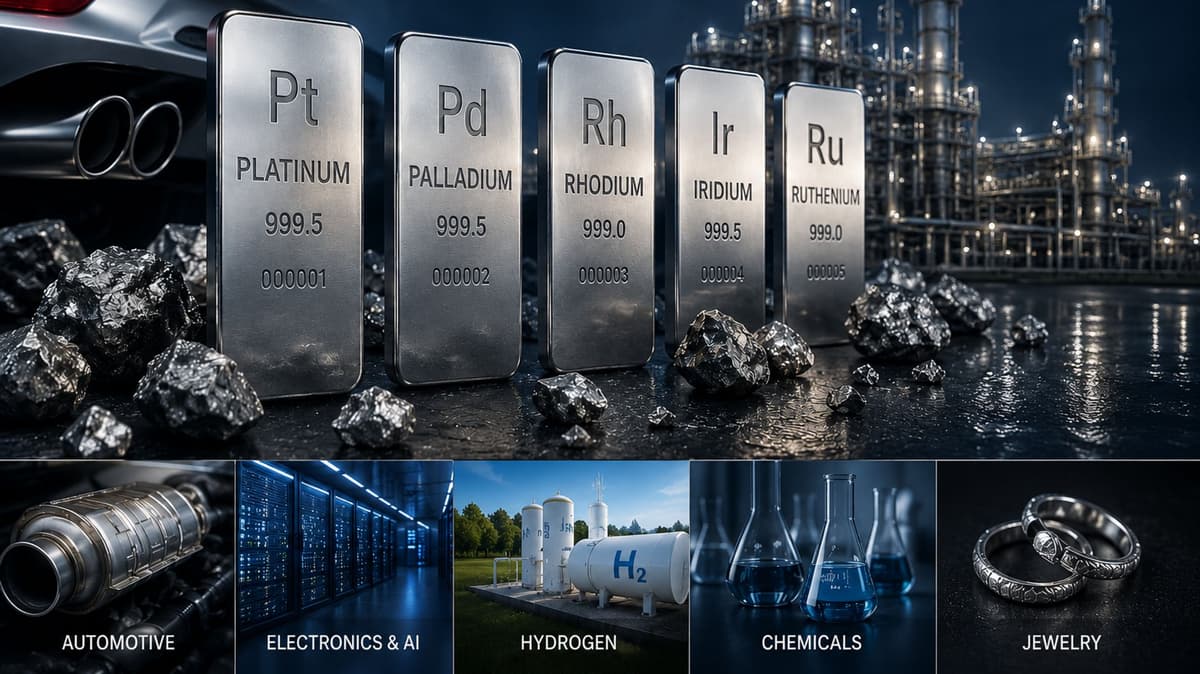
Demand is shifting, but not collapsing, and non-automotive uses are providing important support. Metals Focus said global automotive demand for platinum, palladium and rhodium fell 2% in 2025 to 11.9 million ounces.
That marked the first drop below 12 million ounces since the semiconductor shortages of 2022. Even so, the firm noted that internal combustion engine vehicles and hybrid vehicles still dominate global production despite rising battery electric vehicle penetration.
How strong is jewellery demand for platinum?
Platinum jewellery demand is strengthening sharply. Metals Focus said platinum jewellery demand rose 10% in 2025 to a nine-year high of 2.2 million ounces as consumers and manufacturers shifted away from expensive gold.
This trend could carry significance for India, where elevated gold price levels in rupee terms often encourage buyers to consider alternatives in the broader precious metals space. If global platinum demand stays strong while gold remains expensive, Indian jewellers may increasingly watch platinum as a value-driven substitute in select segments.
What about electronics and hydrogen demand?
Industrial demand is also improving. Electronics demand across the PGM sector climbed 8% to 1.3 million ounces, supported by rapid expansion in artificial intelligence infrastructure and data storage requirements.
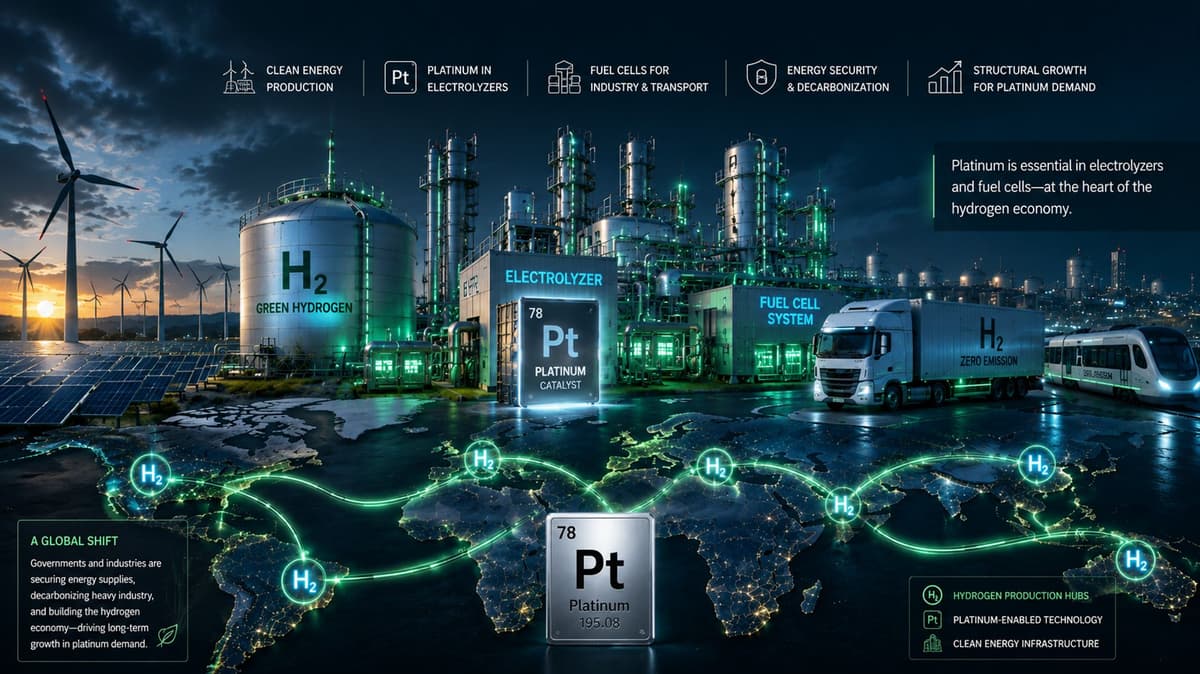
Hydrogen-sector demand jumped 76% in 2025 to 97,000 ounces as governments and corporations increased commitments to hydrogen technologies. That adds another structural demand pillar for platinum group metals beyond autos.
Why are rhodium and ruthenium markets also looking tight?
Rhodium and ruthenium are expected to stay in deficit because supply remains constrained while niche demand is holding up. Metals Focus said rhodium markets remain exceptionally tight, with above-ground stocks potentially falling below three months of demand cover in 2026.
Ruthenium is also expected to remain in deficit. The consultancy said AI-related hard disk drive demand is offsetting weaker consumption from the chemical sector.
These smaller markets can see sharper price moves because liquidity is limited and physical availability can tighten quickly.
How are geopolitics and market regionalization affecting platinum prices?
Geopolitics and market regionalization are becoming major pricing drivers for platinum group metals. Metals Focus said the threat of a prolonged U.S.-Iran conflict could support safe-haven buying and strategic stockpiling in 2026.
The report also highlighted a broader reshaping of supply chains and price discovery mechanisms. Policy initiatives including the U.S. Section 232 proclamation, China’s 15th Five-Year Plan and the European Union’s Critical Raw Materials Act are increasing regionalization across PGM markets.
Why does GFEX matter for global PGM pricing?
GFEX matters because it expands domestic Chinese price discovery and investor access. Metals Focus said the launch of platinum and palladium futures on the Guangzhou Futures Exchange represents a structural shift with implications for global market dynamics.
A deeper Chinese futures market could influence international pricing, physical flows and investor participation in platinum and palladium. For Indian investors tracking XAUUSD, bullion and commodity allocation trends, that matters because it may create new cross-market signals between gold and PGMs.
Platinum’s outlook now depends on whether supply deficits deepen as expected and whether investor flows remain strong enough to reinforce the physical shortage. Indian investors should watch global precious metals spreads, gold-to-platinum relative value, and rupee moves against the U.S. dollar, as any further rally in PGMs could gradually spill into local jewellery demand, diversification themes and broader bullion sentiment.