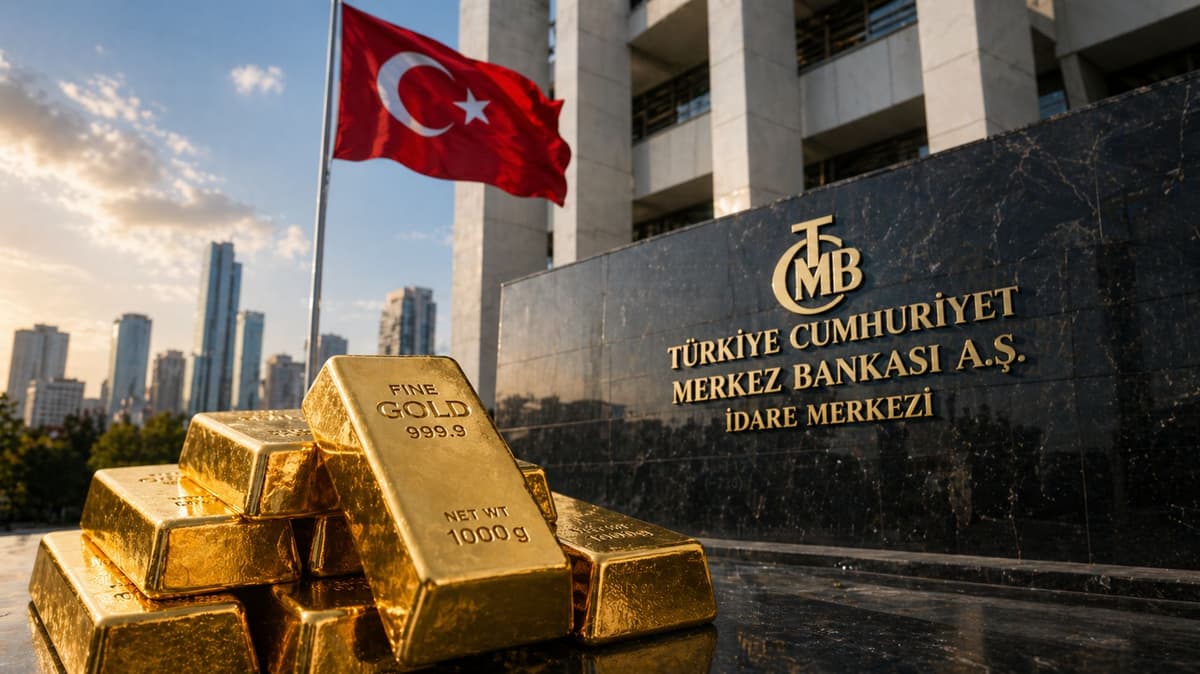
# Gold Reserves Surge: Turkey Adds 36.4 Tonnes in Two Weeks
Türkiye’s central bank rebuilt its gold reserves rapidly, adding 36.4 tonnes in the past two weeks as it unwound dollar-for-gold swap positions used during a period of intense market stress. The latest official data showed physical gold holdings rising to around 730 tonnes as of April 17.
For gold investors, this matters because central bank gold demand remains a major driver of the global bullion market. For Indian investors, shifts in sovereign gold buying and selling can influence international gold price, XAUUSD sentiment, and eventually domestic rates in rupee terms.
Why did Turkey’s central bank increase gold reserves?
Türkiye’s central bank increased gold reserves because market conditions stabilized after earlier stress, allowing it to reverse part of its emergency liquidity strategy. The bank had used gold swaps and bullion sales to raise U.S. dollar liquidity and defend the Turkish lira.
Latest government data showed the central bank added 30.7 tonnes over the past week alone. That brought the total increase to 36.4 tonnes in two weeks, reversing part of the sharp reserve drawdown seen in March.
The reserve rebuilding comes after the bank used gold aggressively during a period of capital outflows and strong local demand for foreign currency. Those pressures had forced policymakers to mobilize bullion holdings to stabilize domestic financial conditions.
What happened to Turkey’s gold reserves in March?
Turkey’s gold reserves fell sharply in March because the central bank opened large gold swap positions and sold some bullion. According to the report, the Turkish government opened approximately 73 tonnes worth of gold swap positions in March.
At the same time, some of the central bank’s physical gold was sold. This combination caused a steep decline in official reserves.
Before the start of the Iran war, the central bank held nearly 830 tonnes of gold. By the end of March, that figure had dropped by 127 tonnes to 693 tonnes.
The article also noted that official data showed Turkey’s gold holdings declined by more than 118 tonnes in March. According to reports, this marked the biggest drawdown in Turkey’s gold reserves since 2013.
How did gold swaps support the Turkish lira?
Gold swaps supported the Turkish lira by helping the central bank raise U.S. dollar liquidity quickly. The bank used dollar-for-gold swap agreements during peak market stress as pressure built on Turkish assets.
The swap operations addressed accelerating capital outflows and rising domestic demand for foreign currency. The central bank then used that liquidity to buy lira and other foreign currencies to support the broader economy.
The central bank said earlier that it had sold some gold outright, but had monetized most of its bullion through swap agreements. That distinction is important because it shows much of the reserve reduction was linked to temporary liquidity management rather than a full strategic exit from gold.
How did the United States-Iran ceasefire affect Turkey’s gold reserves?
The ceasefire between the United States and Iran helped Turkey begin rebuilding its gold reserves because it reduced pressure on markets. Once conditions stabilized, the central bank gained room to unwind some crisis-era operations.
The article said that following the ceasefire, pressure on Turkish assets eased. That improvement allowed the central bank to start restoring physical bullion holdings after the March drawdown.
This sequence also shows how geopolitical shocks can directly affect central bank reserve management. Gold often acts as a safe-haven asset, but in times of severe domestic stress, central banks can also monetize bullion to defend currencies and fund interventions.
Why do Turkey’s reserve moves matter for global gold prices?
Turkey’s reserve moves matter because central bank gold demand remains a crucial pillar of the precious metals market. Large sovereign buying or selling can shift sentiment in bullion, especially when it happens during geopolitical turmoil.
The report highlighted that the sovereign segment has become much more volatile. Central banks such as Türkiye’s have been forced to monetize gold reserves to protect economies affected by the ongoing war with Iran.
That volatility matters for international gold price trends, bullion flows, and broader precious metals demand. For Indian investors, sudden changes in central bank activity can influence global spot prices per troy ounce, which then feed into local gold prices after accounting for the INR exchange rate, import costs, and domestic premiums.
If global gold prices remain supported by official-sector demand, Indian buyers may continue to see elevated rupee-denominated prices even when international markets turn choppy. Conversely, if more central banks temporarily liquidate or swap gold for liquidity, short-term price pressure could emerge in XAUUSD.
What does this mean for Indian gold investors?
For Indian gold investors, Turkey’s reserve rebuilding signals that central bank gold demand is still active despite short-term volatility. That is broadly supportive for long-term bullion sentiment, even if geopolitical stress creates sharp swings.
Indian investors should watch three factors closely: official-sector gold buying, the path of the U.S. dollar, and geopolitical risks in the Middle East. Any renewed disruption in energy markets or global supply chains could lift inflation pressures and reinforce gold’s safe-haven appeal.
The article noted that the ongoing war in the Middle East is significantly affecting global economic activity. It added that disruptions to the global supply chain, especially in the energy market, are pushing inflationary pressures higher.
That backdrop is highly relevant for India, which is sensitive to imported energy costs, inflation, and rupee moves. If oil stays volatile and inflation expectations rise, domestic demand for gold as a hedge could remain firm while international bullion markets stay closely tied to central bank actions and geopolitics.