The Federal Reserve’s April 28-29 FOMC minutes show policymakers kept rates unchanged but grew more concerned that the Iran war and higher energy prices could keep inflation elevated for longer. For gold investors, the message is clear: persistent inflation risk can support safe-haven demand, but a delayed rate-cut path and firmer U.S. Treasury yields can cap upside in gold price and XAUUSD.
For Indian investors, this matters because any shift in U.S. interest-rate expectations can move both the US dollar and international bullion prices. That, in turn, shapes domestic gold rates in rupees as import costs and currency effects filter into the Indian market.
What Did the FOMC Minutes Reveal About the Federal Reserve’s Main Concern?
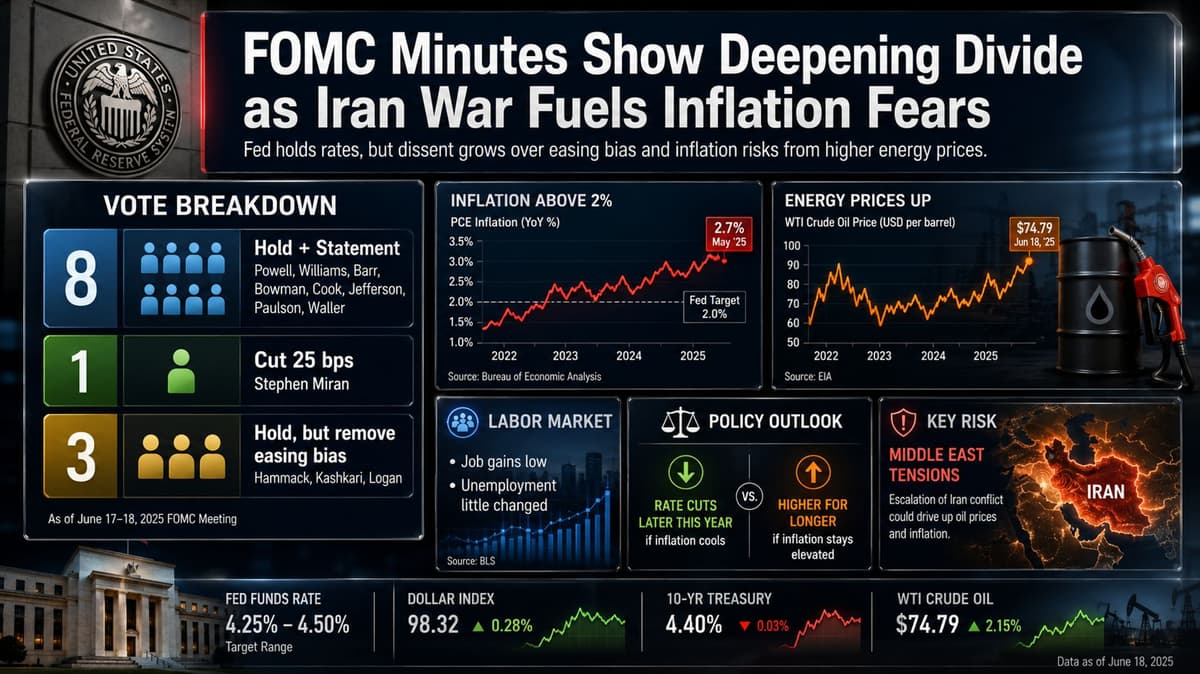
The answer is that the Federal Reserve remained divided over the policy outlook and increasingly worried that the Middle East conflict, including the Iran war, could fuel inflation. The minutes from the April 28-29 meeting showed officials still grappling with uncertainty around the economic fallout from the conflict.A growing number of members dissented from what was seen as the Federal Reserve’s easing bias, even though only one member dissented from the decision to hold rates steady and instead favored a 25 basis point cut. That split suggests policymakers are less confident about moving toward easier policy if inflation risks continue to build.
How Did the Federal Reserve Describe Market Conditions?
The Federal Reserve staff said the conflict in the Middle East had continued to be a key factor driving asset price movements. According to the minutes, equity prices had more than reversed their earlier declines, while 2-year and 10-year Treasury yields rose a bit further over the intermeeting period.The minutes also said near-term inflation compensation increased. For gold markets, rising Treasury yields often create headwinds because higher real and nominal yields raise the opportunity cost of holding non-yielding bullion.
How Is the Iran War Affecting Inflation Expectations?
The answer is that the Iran war is feeding through energy prices into near-term inflation expectations, while longer-term expectations remain relatively stable. Federal Reserve staff said near-term inflation expectations had again moved higher, even though expectations for 2027 and beyond were little changed.The staff added that survey data and market-based inflation compensation measures showed longer-term inflation expectations remained well anchored near the Committee’s 2 percent longer-run objective. That distinction matters because it means policymakers are worried about inflation persistence in the short run, but not yet convinced inflation psychology has become unanchored.
What Did the Federal Reserve Say About Oil Prices?
The Federal Reserve staff noted that the crude oil futures curve was higher than it was at the time of the March FOMC meeting. They also said the curve remained steeply downward sloping, which is consistent with investor expectations that oil prices could fall considerably in coming months.However, the minutes cautioned that the oil futures curve has a mixed forecasting record. That leaves room for further volatility in energy prices, a critical input for both inflation and safe-haven demand in precious metals.
Which Prices Are Being Pressured Higher?
The minutes said policymakers observed that both overall inflation and core inflation had moved higher. Several participants said the increase in core goods prices remained elevated, at least partly because of tariffs.Some participants also noted that higher fuel prices had pushed up other categories, including shipping costs and airfares. That broader pass-through is important because it suggests inflation pressure is not limited to oil alone.
What Does the Federal Reserve Expect for Growth, Jobs, and Inflation?
The answer is that the Federal Reserve staff still sees a reasonably firm economy, but with rising downside risks to growth and upside risks to inflation. The staff said the outlook for economic activity was slightly stronger than in the forecast prepared for the March meeting.They projected real GDP would slightly outpace potential in coming years, supported by favorable financial conditions, continued gains in AI-related capital spending, and a reversal of some factors expected to weigh on activity earlier, including weak foreign growth and uncertainty about the outlook.
What Is the Labor Market Outlook?
The Federal Reserve staff said the unemployment rate was expected to remain close to its longer-run rate this year and next before edging slightly below it in 2028. Participants also observed that the unemployment rate had changed little in recent months, while job gains had remained low on average.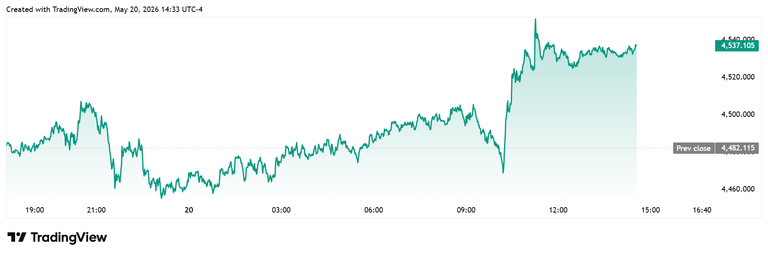
Most participants judged that recent data on unemployment, layoffs, hiring, and labor force growth pointed to stabilization in the labor market. Still, most also said risks to the employment side of the Federal Reserve’s dual mandate were tilted to the downside.
What Is the Inflation Forecast for 2026?
The Federal Reserve staff said the 2026 inflation forecast was higher than the one prepared for the March meeting. They attributed that change to incoming data, higher energy prices, and other effects of the Middle East conflict that were expected to add to consumer price inflation.The minutes said inflation was projected to slow after the first half of this year as conflict-related effects fade and as the pass-through from higher tariffs wanes. By the end of next year, inflation was expected to be close to 2 percent.
Even so, the staff stressed that uncertainty remained elevated because of the Middle East conflict and the potential economic consequences of AI adoption. They said risks to employment and real GDP growth were tilted to the downside, while risks to the inflation projection were skewed to the upside.
The minutes were especially explicit on persistence risk. With inflation having run significantly above 2 percent over the past five years, with further increases likely because of the Middle East conflict, and with emergent price pressures in some categories unrelated to tariffs or energy prices, the staff said the possibility that inflation could prove more persistent than anticipated remained a salient risk.
What Did the Federal Reserve Signal on Interest Rates?
The answer is that the Federal Reserve still favored holding rates steady, but markets and policymakers now see rate cuts arriving later. The minutes said almost all participants supported maintaining the current target range for the federal funds rate at the April 28-29 meeting.Participants generally judged that the current policy rate was within the range of plausible estimates of its neutral level. That means the Federal Reserve believes policy is positioned well enough to respond as incoming data changes the outlook.
What Are Markets Pricing In?
According to the minutes, market participants expected little change this year in the federal funds target range. Options prices implied about a 30 percent probability of a rate hike by the first quarter of 2027.The Desk survey showed expectations for two 25 basis point rate reductions over the next year, but respondents pushed the expected timing later than in the previous survey. They now expected rate cuts in the third or fourth quarter of 2026 and the first quarter of 2027.
For gold, that later easing path matters. If the Federal Reserve cuts later than previously expected, Treasury yields and the U.S. dollar can stay firmer for longer, which may limit gains in international gold prices even when geopolitical risks support safe-haven demand.
Why Do These Fed Minutes Matter for Gold Prices and Indian Investors?
The answer is that the minutes create a mixed but important backdrop for gold. On one hand, the Iran war, elevated energy prices, and upside inflation risks can support demand for safe-haven assets such as gold and other precious metals.On the other hand, the Federal Reserve’s reluctance to move quickly toward rate cuts, combined with rising 2-year and 10-year Treasury yields, can weigh on XAUUSD. Gold tends to perform best when geopolitical stress is high and real yields are falling, but this setup shows those forces pulling in opposite directions.
What Is the India Angle?
For Indian investors, the impact goes beyond the international troy ounce price. If U.S. yields stay elevated and the U.S. dollar remains firm, the Indian rupee can face pressure, which may keep local gold prices supported even if global bullion prices pause.That means domestic buyers in India need to watch both COMEX gold and currency moves in USD/INR. A softer rupee can raise landed import costs and keep Indian gold rates elevated, while any fresh geopolitical escalation could add another premium to safe-haven demand.
The next key watchpoint for the gold market is whether energy prices stay high enough to keep near-term U.S. inflation expectations rising. If that happens, Indian investors may see gold supported by safe-haven flows and rupee weakness, but constrained by the Federal Reserve’s slower path to easing.