Why is gold price struggling despite geopolitical tensions?
Gold price is struggling because rising bond yields and expectations of tighter monetary policy are outweighing safe-haven demand from geopolitical risk. Bart Melek, head of commodity strategy at TD Securities, told Kitco News that the market is focusing more on interest rates than on the Middle East crisis.
Melek said gold’s muted reaction during a growing geopolitical crisis shows how sensitive bullion has become to real yields again. In his words, “In the end, it’s all about interest rates.”
For Indian investors, this matters because global XAUUSD trends often shape domestic bullion prices, even when local demand stays firm. A stronger U.S. dollar and higher U.S. Treasury yields can limit upside in gold price in rupee terms unless INR weakness offsets part of the pressure.
What is outweighing safe-haven demand?
The main pressure points are higher real yields, a stronger U.S. dollar, and the view that central banks may keep policy restrictive for longer. These factors raise the opportunity cost of holding non-yielding precious metals such as gold.
Melek said geopolitical tensions would normally support gold. But right now, bond markets are dominating price action more than safe-haven flows.
How do inflation and interest rates affect gold price?
Inflation alone does not push gold price higher; the key driver is the relationship between inflation and interest rates. Melek said many investors treat gold as a straightforward inflation hedge, but that view misses the more important comparison with Treasury yields.
He told Kitco News: “Gold people always say inflation, inflation—that’s true, but it’s not sufficient. It’s really the relative value of other assets, mainly Treasuries.”
That means gold can weaken even when inflation rises if central banks respond by keeping rates high or lifting them further. Higher yields make bonds more attractive relative to bullion, which does not pay interest.
For Indian gold buyers, this global rates backdrop can influence import costs, investor sentiment, and ETF flows. If U.S. yields keep rising, international gold price momentum may remain capped even during periods of global uncertainty.
Why do real yields matter so much for XAUUSD?
Real yields matter because they reflect the inflation-adjusted return investors can earn on safer assets like U.S. Treasuries. When real yields rise, holding gold becomes less attractive.
Melek said gold’s failure to rally meaningfully in the current environment underlines that sensitivity. In practical terms, bullion competes with yield-bearing assets, so higher real returns elsewhere can drain demand from precious metals.
What role is oil playing in the gold market outlook?
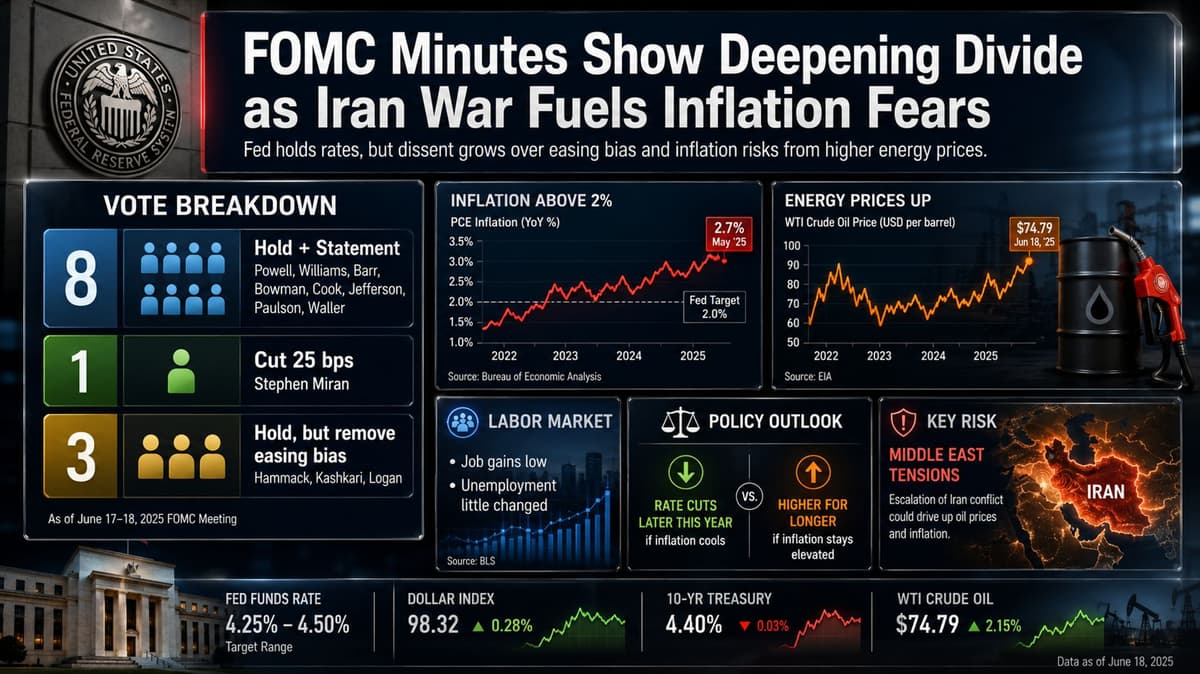
Oil is a key driver because rising crude prices can lift inflation and complicate the Federal Reserve’s policy path. Melek said the sharp rally in oil, driven by escalating conflict in the Middle East, is adding inflation pressure at a time when policymakers are already cautious.
According to TD Securities, every 10% increase in oil prices lifts inflation by roughly 0.2 percentage points. With oil already up about 60%, Melek warned that a prolonged surge could have a much larger effect.
“If this lasts for a year… this could add another 100 basis points to inflation,” he said.
That is important for gold price because inflation caused by energy shocks does not automatically help bullion. If oil-driven inflation keeps consumer prices elevated, the Federal Reserve may delay rate cuts or keep policy tight for longer.
Why can higher oil prices hurt gold in the short term?
Higher oil prices can hurt gold in the short term because they may push central banks toward tighter policy, which supports bond yields and the U.S. dollar. Both of those are typically negative for gold price.
Melek said that if the Middle East conflict drags on and energy prices stay elevated, the Federal Reserve would be reluctant to ease policy. “If inflation is going the other way, it becomes very difficult for the central bank to ease,” he said.
For Indian investors, higher crude prices also matter directly. India imports most of its oil, so sustained crude strength can widen macro pressures, influence inflation expectations, and affect the rupee, all of which feed into domestic bullion pricing.
How are central banks’ inflation concerns weighing on gold?
Central banks’ inflation concerns are weighing on gold because they reduce the chances of near-term rate cuts. When policymakers fear inflation could become entrenched, they are more likely to keep monetary policy restrictive.
Melek said this is the core reason gold price is under pressure now. The market is not reacting to inflation in isolation; it is reacting to what inflation means for Federal Reserve policy, real rates, and dollar strength.
If the Federal Reserve keeps rates higher for longer, financial conditions tighten across markets. That tends to reduce liquidity and make it harder for leveraged investors to maintain large positions in commodities.
How does tighter policy affect broader commodity markets?
Tighter policy constrains capital flows across the commodity complex, not just in gold or energy. Melek noted that financial conditions are already tightening and that capital flows are being constrained across commodity markets.
When liquidity falls, leveraged investors often cut exposure. That can create broader pressure on bullion and other precious metals, even if long-term fundamentals remain constructive.
What is TD Securities’ long-term gold forecast?
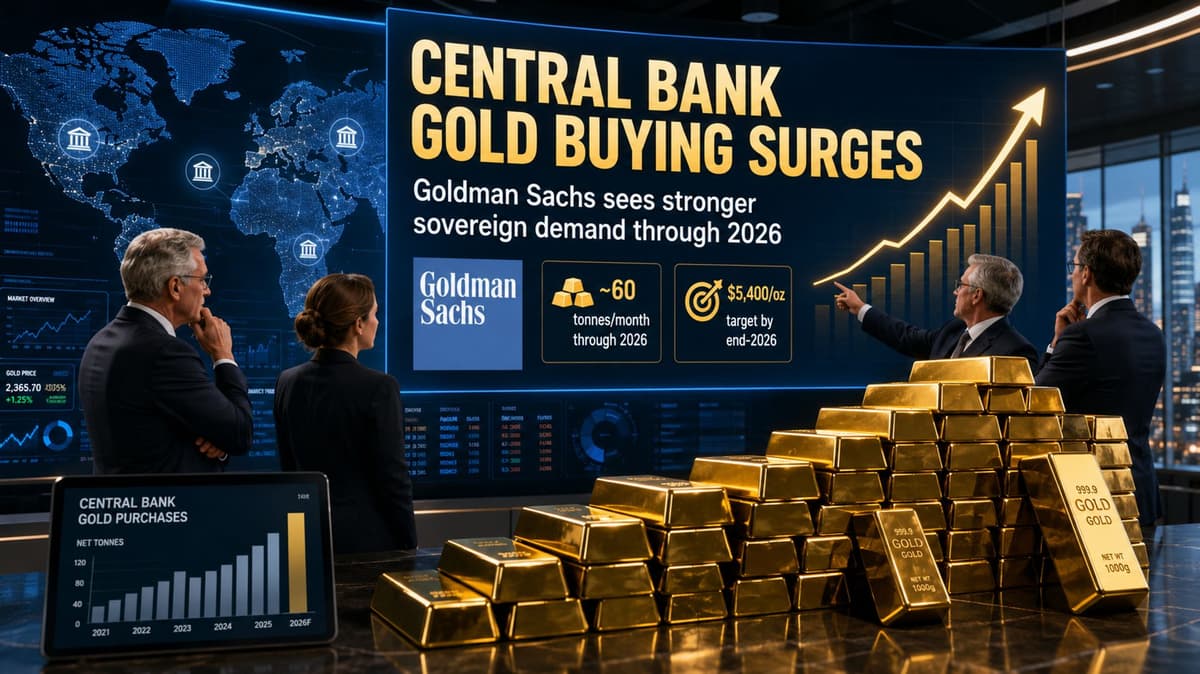
TD Securities still expects gold to rise over the longer term even though the short-term outlook looks weak. The bank is maintaining its forecast for gold to average around $4,831 per ounce in 2026.
TD Securities expects gold to peak near $5,000 in the second quarter of 2026 before gradually easing toward $4,650 by year-end. That forecast suggests the bank still sees a supportive macro backdrop once current inflation and rate pressures begin to fade.
What could revive gold’s longer-term bull case?
A stabilization in geopolitics and a pullback in oil could revive the bullish case for gold. Melek said he expects the current oil shock to be temporary.
If the geopolitical situation stabilizes and supply disruptions remain limited, crude prices could ease back toward the $90-$95 per barrel range. That would help inflation pressures moderate and give central banks more room to shift toward easing.
In that setting, lower real interest rates and a weaker U.S. dollar could bring back the “debasement trade” that typically supports bullion. Melek said, “If we do get rate cuts and the dollar starts to weaken, then that whole debasement trade comes back.”
For Indian investors, the key watchpoint is whether the Federal Reserve stays hawkish because of energy-led inflation or turns more dovish as oil cools. That policy shift could determine whether global gold price stays under pressure or resumes its longer-term climb toward TD Securities’ 2026 targets.