
# Gold Price Trading Levels for April 10: Key Intraday Entries
Gold price traders watching intraday moves on April 10 can use short-term support and resistance levels in Comex gold futures to identify potential buy and sell entry points. The setup is designed for active traders who follow fast price action in the bullion market and want a structured way to read XAUUSD and gold futures momentum during the trading day.
What are the key gold price trading levels for April 10?
The key gold price trading levels for April 10 are short-term technical support and resistance levels on the 5-minute Comex gold futures chart. These levels help active traders identify possible intraday buy and sell entry points.
According to the source article from Kitco News, the 5-minute bar chart for Comex gold futures is intended as a practical analytical and trading tool for active intraday gold futures traders and market watchers. The focus is on short-term market structure rather than long-term investing.
For traders in gold futures, support levels can indicate areas where buying interest may emerge, while resistance levels can mark zones where selling pressure may increase. These technical levels are especially important in fast-moving bullion trade, where even small changes in momentum can affect entry timing.
How does the 5-minute Comex gold futures chart help active traders?
The 5-minute Comex gold futures chart helps active traders track immediate price action and react quickly to intraday market shifts. It is built for traders who need a short-term view rather than a broader weekly or monthly gold price outlook.
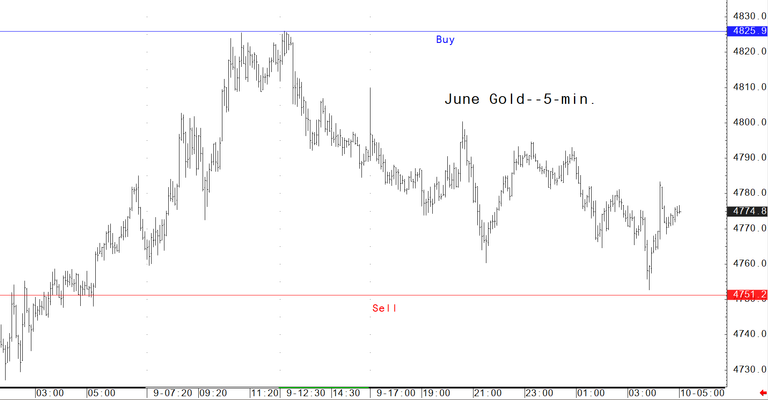
Kitco News described the 5-minute bar chart as a valuable analytical and trading tool for the active intraday gold futures trader and market watcher. Because each bar captures a short time interval, the chart can reveal near-term trend changes, momentum bursts, and reactions around technical levels.
For active participants in gold futures, this format can improve trade execution by highlighting whether gold is showing early strength or early weakness. In intraday trading, timing matters as much as direction.
Indian investors who track international bullion markets should note that Comex gold futures often shape global sentiment for gold price moves. These signals can influence domestic price trends in India after adjusting for the rupee-dollar exchange rate, import duties, and local premiums.
What trading approach does the analysis suggest for gold futures?
The analysis suggests that successful traders often buy on early price strength and sell on early price weakness. This is a momentum-based intraday approach built around confirmation rather than guessing reversals.
The source article explicitly notes that most successful traders buy on early price strength and sell on early price weakness. That means traders may look for gold to hold above support and build upward momentum before entering long positions, or break below weakness points before considering short-side opportunities.
This approach is relevant in highly liquid markets such as Comex gold futures, where price can react quickly to macro headlines, U.S. dollar swings, bond yield moves, and order-flow shifts. For precious metals traders, waiting for confirmation can reduce the risk of entering too early.
In the Indian context, short-term gold price moves in global markets can filter into MCX gold contracts and local bullion pricing. Traders in India who monitor overseas cues often use Comex price action as an early signal for domestic market positioning.

Why does this matter for Indian gold traders and investors?
This matters for Indian gold traders because intraday moves in Comex gold futures can influence global gold price direction and affect domestic bullion sentiment. Even investors who do not trade futures can use these levels to understand short-term volatility.
India remains one of the world’s largest gold-consuming markets, so any sharp move in international gold prices can affect jewellery demand, investment buying, and hedging strategies. When global gold price momentum changes, the INR value of gold can move even more depending on the rupee’s direction against the U.S. dollar.
For traders using MCX gold or tracking spot bullion, a 5-minute chart framework from Comex can provide an additional reference point during volatile sessions. This is particularly useful when global risk sentiment changes quickly and safe-haven demand shifts across precious metals.
Investors should also remember that intraday trading tools serve a different purpose from long-term gold accumulation. A short-term setup is built for active execution, while long-term investors usually focus on macro drivers such as inflation, Federal Reserve policy, central bank demand, and rupee depreciation.
Where did this gold market analysis come from?
This gold market analysis came from Kitco News and was published as a daily trading and analytical tool for active traders on April 10. The article presents the chart-based framework as a unique and exclusive resource for intraday gold futures market watchers.
The original article states that this daily tool is designed specifically for active intraday traders of gold and encourages market participants to follow the 5-minute chart for potential entry levels. The emphasis is not on a broad forecast for gold per troy ounce, but on tactical execution during the session.
For Indian market participants, the key watchpoint now is whether global gold price action on Comex shows early strength or early weakness during the trading day. That signal can shape near-term sentiment in bullion, MCX contracts, and local rupee-denominated gold prices.