Gold prices remain under pressure despite rising geopolitical tensions in the Middle East, but Wells Fargo still expects bullion to climb to about $6,200 per troy ounce by the end of 2026. For Indian investors, that means the current weakness in global gold price action may reflect short-term macro pressure rather than a break in the longer-term bullish trend.
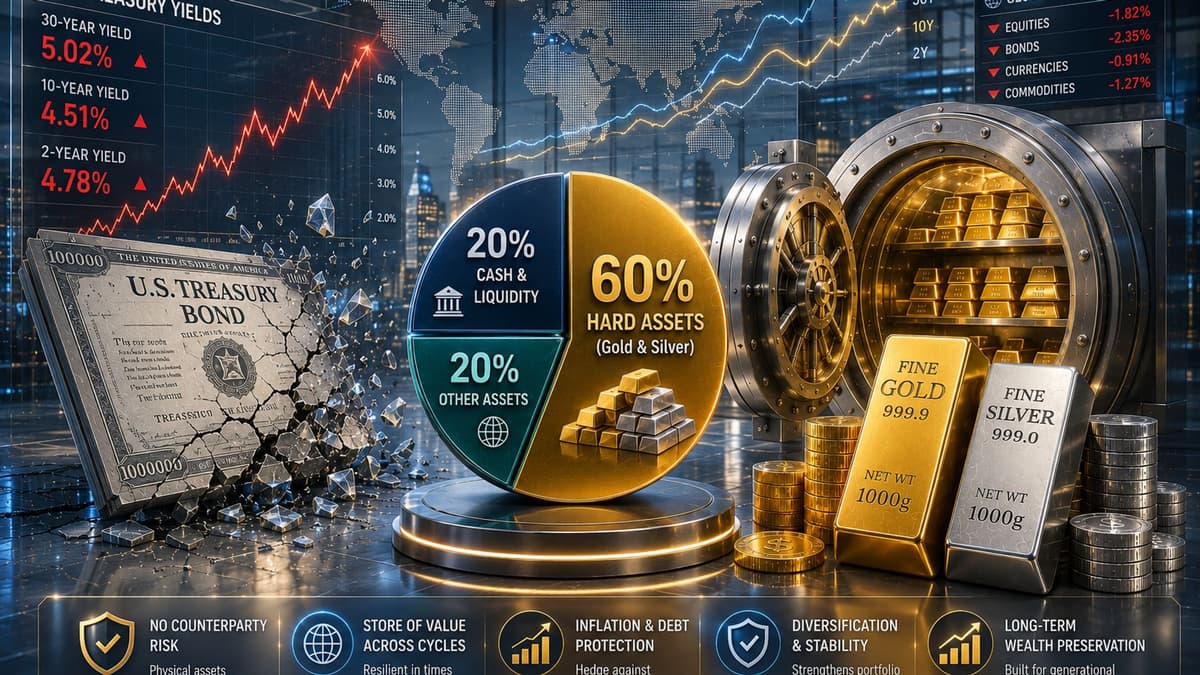
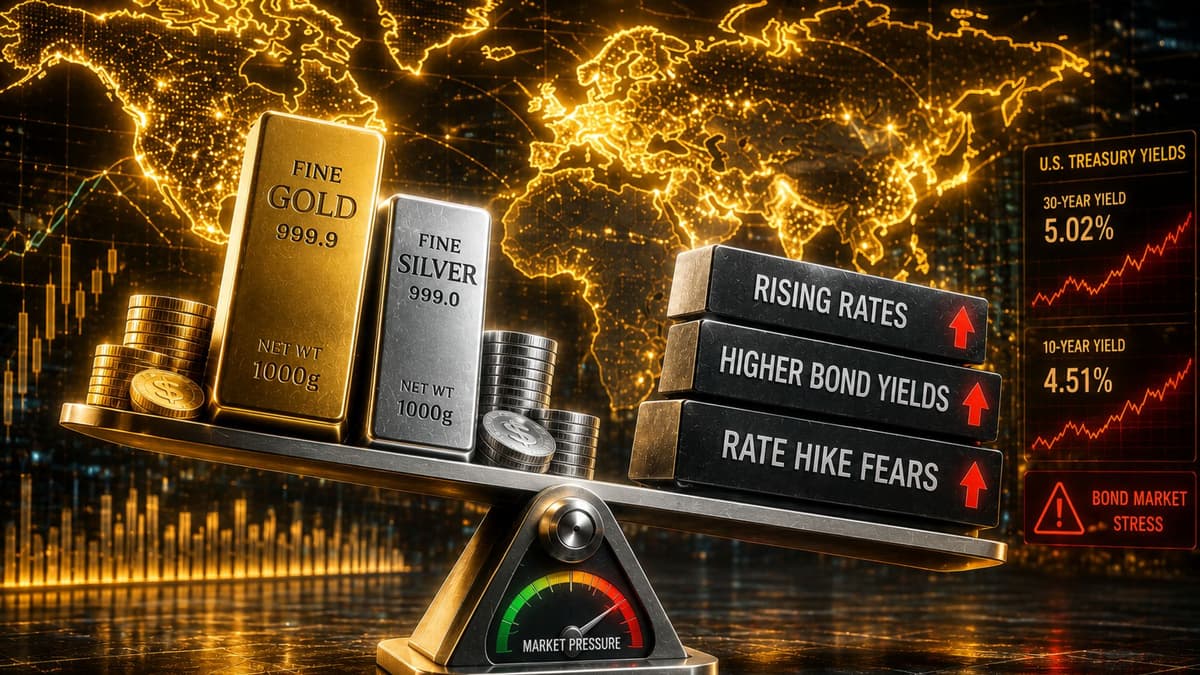
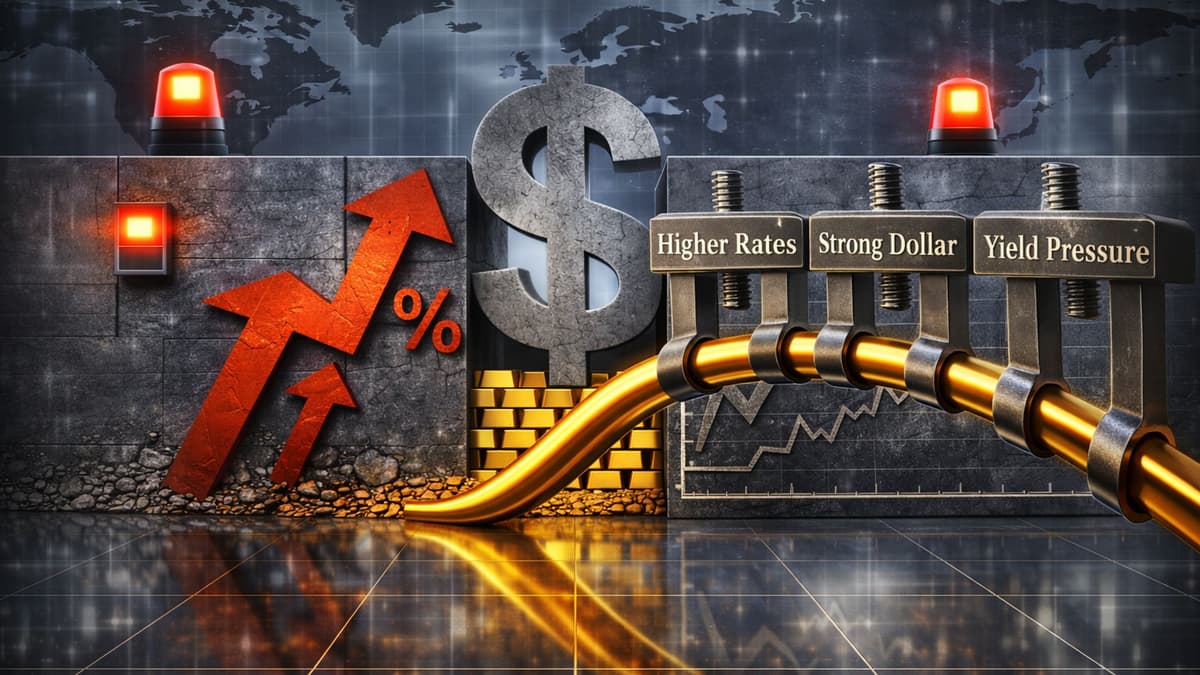
Spot gold was last traded at $4,391.50 an ounce, down nearly 2.7% on the day, after falling nearly 22% from its late-January record high of $5,600 an ounce. According to Wells Fargo, higher U.S. interest rates, a stronger U.S. dollar, and rising real Treasury yields are currently overpowering gold’s usual safe-haven appeal.
Why is gold price falling even as Middle East tensions rise?
Gold price is falling because macroeconomic headwinds are outweighing geopolitical safe-haven demand. Wells Fargo said investors are focusing more on higher yields, a stronger dollar, and shifting U.S. rate-cut expectations than on the conflict risk itself.
In its latest global investment strategy report, Wells Fargo commodity analysts said gold’s pullback looks counterintuitive only on the surface. The bank argued that markets are repricing a complex macro environment in which financial conditions matter more than geopolitical headlines in the near term.
Following a brief uptick at the start of the war, gold’s safe-haven bid faded quickly. Safe-haven flows moved instead into the U.S. dollar, while investors also adjusted expectations around future Federal Reserve rate cuts.
Wells Fargo said: “Spikes in the U.S. dollar, Treasury yields, and expectations for rate cuts coming under pressure have all been potent headwinds for gold.” That combination has pushed XAUUSD lower even as regional tensions remain elevated.
For Indian investors, this matters because international gold prices and USD-INR moves jointly shape domestic bullion rates. If the U.S. dollar stays firm, Indian gold prices in rupee terms may remain supported even when spot gold weakens in dollar terms.
What is driving the current gold price correction?
The current gold price correction is being driven by rising real yields, higher interest rates, and dollar strength. These factors raise the opportunity cost of holding non-yielding assets such as gold.
Wells Fargo said rising real yields are especially negative for bullion. When investors can earn stronger inflation-adjusted returns from U.S. Treasuries, gold becomes less attractive in the short term because it does not generate income.
The selloff has been severe. Gold prices have posted their worst losing streak since 1983, according to the report. Since hitting record highs at $5,600 an ounce in late January, gold has dropped nearly 22%.
At the latest reading, spot gold last traded at $4,391.50 an ounce, down nearly 2.7% on the day. That decline shows how sharply macro forces have weighed on the precious metals complex despite ongoing geopolitical stress.
For traders following XAUUSD, the message is clear: gold is currently trading more like a macro-sensitive asset than a pure crisis hedge. For Indian buyers, any rupee depreciation against the dollar could partly cushion the international fall in local market pricing.
How do oil prices and inflation fears affect gold?
Oil-driven inflation fears are hurting gold in the short term because they could keep central banks tighter for longer. Wells Fargo said the conflict has pushed oil above $100 per barrel at times, adding to inflation concerns.
Higher energy prices can support gold in some environments, especially when investors seek inflation hedges. But in the current cycle, Wells Fargo said the more immediate effect is rising concern that central banks will delay rate cuts or maintain restrictive policy for longer.
That matters because persistent inflation and tighter monetary policy tend to lift bond yields and support the U.S. dollar. Both trends are typically bearish for bullion prices in the near term.
For Indian investors, higher crude oil prices also have a domestic macro impact. Costlier oil can pressure India’s inflation outlook, the rupee, and import costs, all of which can influence local gold price trends even if global bullion remains volatile.
What is Wells Fargo’s gold price forecast for 2026?
Wells Fargo remains bullish on gold over the long term and forecasts prices between $6,100 and $6,300 per ounce by the end of 2026. The midpoint of that outlook is roughly $6,200 per ounce.
The bank said the longer-term case for gold is still intact despite the recent correction. It expects continued support from central bank buying, along with an eventual moderation in both Treasury yields and the U.S. dollar.
Wells Fargo analysts said official-sector demand remains a major structural support. According to the bank, central bank buying remains well above long-term averages, helping create a durable floor for long-term bullion demand.
That forecast is important for Indian investors because India remains one of the world’s largest physical gold markets. A sustained rise in global bullion prices, especially if paired with rupee weakness, could translate into significantly higher domestic gold rates over time.
Why does Wells Fargo still like gold despite recent weakness?
Wells Fargo still likes gold because it sees the recent pullback as tactical rather than structural. The bank said the correction does not signal a loss of gold’s long-term safe-haven appeal.
Instead, Wells Fargo described the underperformance as a potential opportunity for investors to gradually build exposure. The bank recommended using the current weakness to add positions rather than treating the drop as a breakdown in the bullish case.
It also said capital could rotate from energy markets into precious metals as the conflict stabilizes. If oil prices cool and inflation pressures ease, some of the macro headwinds weighing on gold could reverse.
For Indian investors, that means staggered buying may be more relevant than aggressive short-term trading. Gradual accumulation during sharp pullbacks often aligns better with how Indian households and long-term bullion investors approach gold as a portfolio hedge and store of value.
How could the Iran war and U.S. economy shape gold prices next?
Wells Fargo expects the war with Iran to have a limited economic impact and does not see stagflation as its base case. The bank believes easing inflation pressures and lower Treasury yields later in the year could remove key headwinds for gold.
According to Wells Fargo, the U.S. is better positioned to absorb an energy shock than in earlier crises. The bank cited three structural reasons: a more services-driven economy, the country’s position as a net energy exporter, and a smaller share of household spending going to energy.
Wells Fargo also expects the conflict to be relatively short-lived, reducing the risk of a sustained increase in inflation. That view supports its expectation that current pressure on bullion may not last indefinitely.
The bank maintained a constructive outlook for 2026 growth and said stagflation is outside its base-case scenario. If that outlook proves correct, gold could recover as yields ease and dollar strength fades.
For Indian investors, the key watchpoints are clear: U.S. Treasury yields, Federal Reserve rate-cut expectations, the U.S. dollar, oil above or below $100 per barrel, and central bank gold buying. If yields retreat later in the year while official demand stays strong, the current gold price weakness could look more like a buying window than a lasting trend break.