Why is gold price falling after the ECB decision?
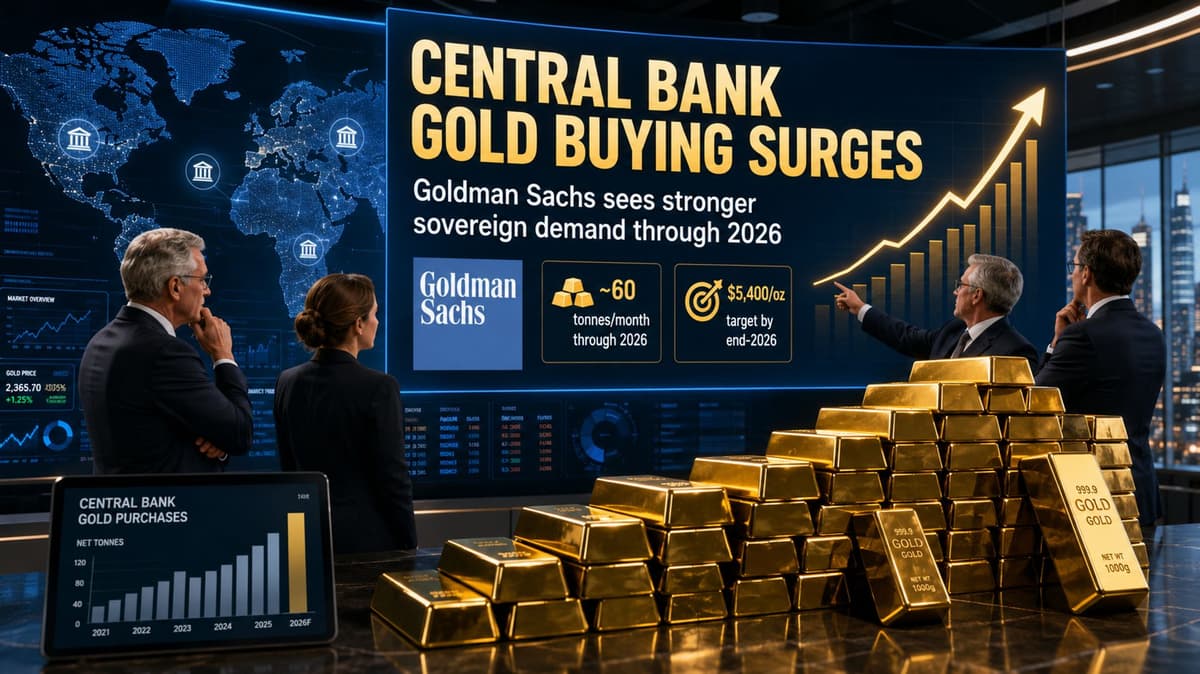
Gold price is falling because central banks are keeping policy tight as rising energy prices lift inflation risks. The European Central Bank, the last major central bank to decide this week, left interest rates unchanged, reinforcing the market view that higher-for-longer rates remain a headwind for bullion.According to Kitco News, gold continued its sharp decline as traders reacted to global macro pressure rather than any fresh dovish signal from the ECB. That matters for XAUUSD because steady policy rates tend to support real yields and reduce the appeal of non-yielding precious metals such as gold.
What did the European Central Bank announce?
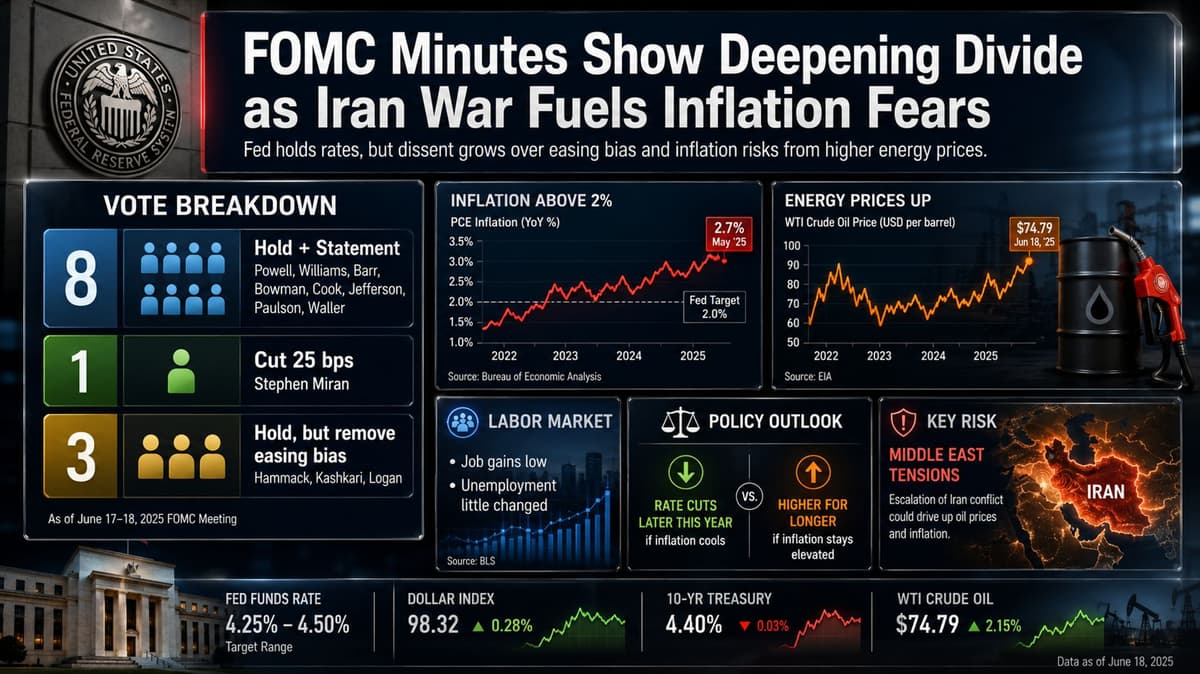
The European Central Bank kept all three key interest rates unchanged in a widely expected move. The deposit facility remains at 2.00%, the main refinancing operations rate stays at 2.15%, and the marginal lending facility holds at 2.40%.The ECB said the war in Iran has created significant uncertainty for the global economy. In its monetary policy statement, the central bank warned that the conflict creates upside risks for inflation and downside risks for economic growth.
How did the ECB describe the inflation threat?
The ECB said higher energy prices will materially affect near-term inflation. It added that the medium-term impact will depend on both the intensity and duration of the conflict and on how energy prices feed through to consumer prices and the wider economy.The central bank said, “It will have a material impact on near-term inflation through higher energy prices. Its medium-term implications will depend both on the intensity and duration of the conflict and on how energy prices affect consumer prices and the economy.” The ECB also said, “The Governing Council is well-positioned to navigate this uncertainty.”
How far did gold prices fall in the global market?
Gold prices fell sharply in both euro and U.S. dollar terms, showing broad-based selling pressure across the bullion market. Spot gold against the euro last traded at EUR 3,969.59 per troy ounce, down nearly 6% on the day.The move was similar in the wider global market. Spot gold last traded at USD 4,564.20 per troy ounce, down slightly more than 5% on the day.
Did the ECB trigger a fresh move in gold?
No, the ECB announcement did not produce a major new reaction in gold. The article says the gold market saw no major reaction to the decision because heavy selling pressure was already in place.That suggests traders were focused more on the broader macro backdrop - especially energy-driven inflation risk, the Iran war, and the prospect that major central banks may resist cutting rates quickly. For gold, that combination weakens safe-haven support when inflation concerns also push yields expectations higher.
How does the Iran war affect gold, inflation, and safe-haven demand?
The Iran war affects gold through energy prices, inflation expectations, and growth fears at the same time. In this case, rising energy prices appear to be hurting gold more through the interest-rate channel than helping it through safe-haven demand.Higher oil and energy costs can lift headline inflation. When central banks such as the European Central Bank respond by keeping rates steady or signalling caution, gold can come under pressure because bullion does not pay interest.
At the same time, the ECB said the conflict also creates downside risks for growth. That leaves markets balancing two competing forces: safe-haven buying on geopolitical stress versus selling pressure from higher-for-longer monetary policy expectations.
What does this mean for Indian gold investors?
For Indian investors, a drop in global gold price can ease pressure on domestic bullion rates, but the final move in India depends on the rupee as well as import-linked costs. If the Indian rupee weakens against the U.S. dollar, it can offset part of the decline in international gold prices.Indian buyers should watch both XAUUSD and USDINR, not just the headline global price. Even when spot gold falls to USD 4,564.20 per ounce or EUR 3,969.59 per ounce, local gold prices may not fall by the same percentage if the currency moves against the rupee.
For traders in India, the key near-term watchpoint is whether energy prices continue to rise and keep central banks hawkish. If inflation fears deepen and rate cuts are pushed back further, gold price could remain under pressure despite geopolitical uncertainty and safe-haven demand.