# Gold Price Resilient Above $4,600 but Oil Shock Keeps Bullion Vulnerable
Gold prices are holding up for now, but TD Securities says rising oil prices remain the biggest near-term threat to bullion. For Indian investors, that means gold may stay volatile even if its longer-term uptrend remains intact.
Why is gold price holding above $4,600 despite rising inflation fears?
Gold is holding above $4,600 an ounce because the market has found near-term technical support, even as macro risks remain challenging. According to Bart Melek, Head of Commodity Strategy at TD Securities, gold has managed to stay resilient despite inflation fears linked to an oil supply shock.
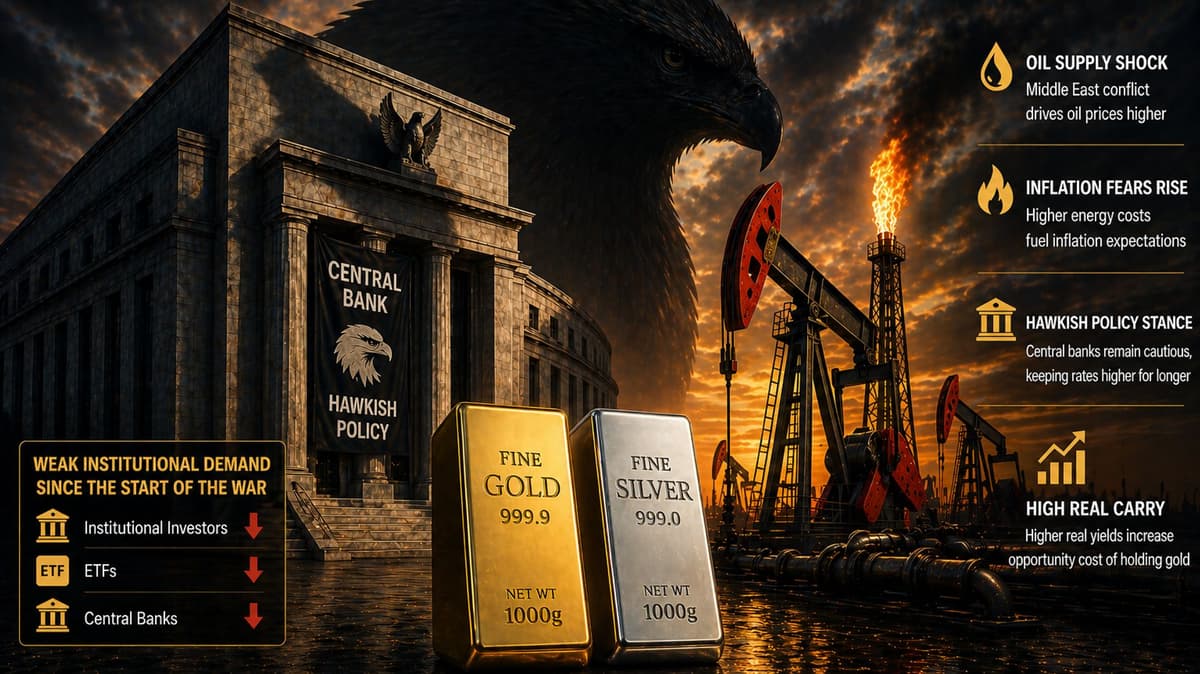
The oil shock is being driven by the conflict in the Middle East. Melek said that this supply disruption is pushing inflation fears higher and forcing central banks to maintain a more hawkish stance on monetary policy.
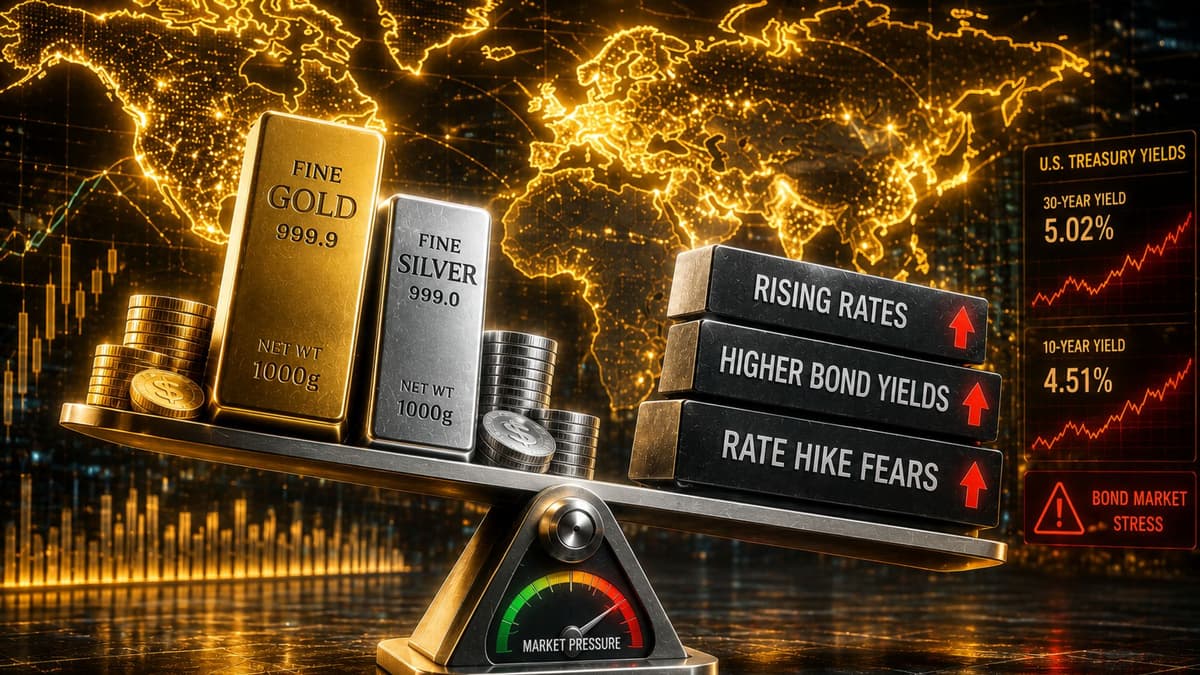
That matters for bullion because tighter policy keeps real yields elevated and raises the opportunity cost of holding non-yielding assets such as gold. In other words, investors can earn more from interest-bearing assets, which can reduce demand for XAUUSD and other precious metals exposures.
Spot gold last traded at $4,619.90 per troy ounce, up 1.6% on the day. Even with that gain, TD Securities argues that gold remains sensitive to moves in the oil market.
What is driving pressure on gold prices right now?
The main pressure on gold prices is the risk that oil-driven inflation keeps monetary policy restrictive for longer. Melek said this environment creates “high real carry and a high opportunity cost of holding gold.”
He added that this is likely why demand from institutional investors, ETFs, and central banks has been weak since the start of the war. That soft demand backdrop has limited gold’s upside, even though safe-haven demand would normally support prices during geopolitical stress.
How do oil prices affect bullion?
Higher oil prices can hurt gold in the short term by lifting inflation expectations and keeping central banks hawkish. When markets expect interest rates to stay high, real yields often remain elevated, which can weigh on bullion prices.
Melek said rising oil prices are still the biggest risk facing gold. He warned that an oil spike to $150 per barrel could push gold down toward its 200-day moving average near $4,258.
Why has investor demand been weak?
Investor demand has been weak because restrictive policy reduces gold’s relative appeal. According to Bart Melek, the combination of high real carry and elevated opportunity cost has curbed buying from large institutional investors, exchange-traded funds, and central banks since the war began.
That is an important signal for Indian investors tracking global gold price trends, because ETF flows and official-sector buying often shape broader bullion momentum.
What technical levels matter most for gold price outlook?
The key technical level is the 200-day moving average near $4,258 per ounce. Melek said gold has so far held support well above that level, which keeps the long-term uptrend intact.
As long as gold stays above its 200-day moving average, TD Securities believes the broader bullish structure remains in place. A break lower, however, would suggest that the oil shock and inflation fears are doing more damage to sentiment and price action.
For traders in XAUUSD, this makes $4,258 a major support zone. The current spot level of $4,619.90 shows that gold still has a cushion above that threshold, but the bank’s warning highlights how quickly sentiment could change if crude oil surges.
What is TD Securities' year-end gold price forecast?
TD Securities remains bullish on gold over the long term and expects prices to finish the year above $5,000 an ounce. Melek said that once the oil market stabilizes and inflation signals begin to point lower, gold could climb back into the $5,200 range by year-end.
That forecast depends on a shift in the macro backdrop. Melek expects the Federal Reserve to begin reversing some of the economic damage caused by the oil spike by tilting back toward its maximum-employment mandate.
He also said that structural support for bullion should remain in place because debt levels will remain sky-high, pressure on the long end of the market to fund that debt will continue to build, and worries about financial repression, de-dollarization, and dollar weakness could reignite the debasement trade.
Why could gold rise again after the oil market stabilizes?
Gold could rally again because easing oil prices would likely reduce inflation pressure and open the door to less restrictive monetary policy. That would lower real yields and improve the appeal of non-yielding safe-haven assets such as bullion.
Melek’s view suggests that the current weakness is cyclical rather than structural. In that scenario, any moderation in the energy crisis could help restore investor appetite for precious metals.
How does this global gold outlook affect Indian investors?
Indian investors should watch both the international gold price and the rupee because global bullion volatility can feed directly into domestic rates. If spot gold holds above $4,600 and later advances toward $5,000-$5,200, Indian gold prices could remain elevated, especially if the Indian rupee weakens against the U.S. dollar.
At the same time, any correction toward $4,258 in global markets may not fully translate into lower domestic prices if INR depreciation offsets part of the decline. That is why Indian buyers of physical gold, digital gold, gold ETFs, and jewellery should track crude oil, Federal Reserve policy expectations, and USD/INR together.
For long-term Indian investors, TD Securities’ outlook still favors gold once the oil shock fades. The near-term watchpoint is clear: if oil spikes toward $150 per barrel, bullion could face sharper downside before the longer-term bullish case reasserts itself.
What is TD Securities saying about silver prices?
TD Securities sees a similar path for silver, with similar risks tied to higher oil prices and inflation. Melek said that rising energy costs and inflation could slow global economic activity, reduce industrial demand for silver, and pressure prices in the short term.
However, he added that once the energy crisis eases, economic growth and industrial demand should recover. That rebound would support higher silver prices alongside a stronger broader precious metals complex.
For Indian investors in silver, the message is similar to gold: near-term volatility may persist, but improving growth conditions after the energy shock could revive the medium-term outlook.