# Gold Price Outlook: UBS Sees Powerful Rally if Rate Bets Ease
Gold could rally substantially if geopolitical uncertainty stays elevated and interest rate expectations move lower, according to UBS. The Swiss bank says bullion remains a long-term hedge against inflation, currency devaluation, fiscal stress, and broader macroeconomic shocks even though gold has recently lagged the usual safe-haven pattern during the Iran conflict.
For Indian investors, that matters because any sustained rise in international gold prices, especially alongside rupee weakness, can quickly lift domestic bullion rates. UBS also argues that investors who already hold large gold positions may want to diversify across commodities such as copper, aluminum, oil-linked exposures, and agricultural assets.
Why does UBS still expect a gold rally despite the Iran conflict?
UBS says gold can still rally because the bigger driver is not the war itself, but what the conflict does to inflation, growth, currencies, and interest-rate expectations. In the bank’s view, gold performs best when geopolitical uncertainty remains high and markets start pricing lower rates.
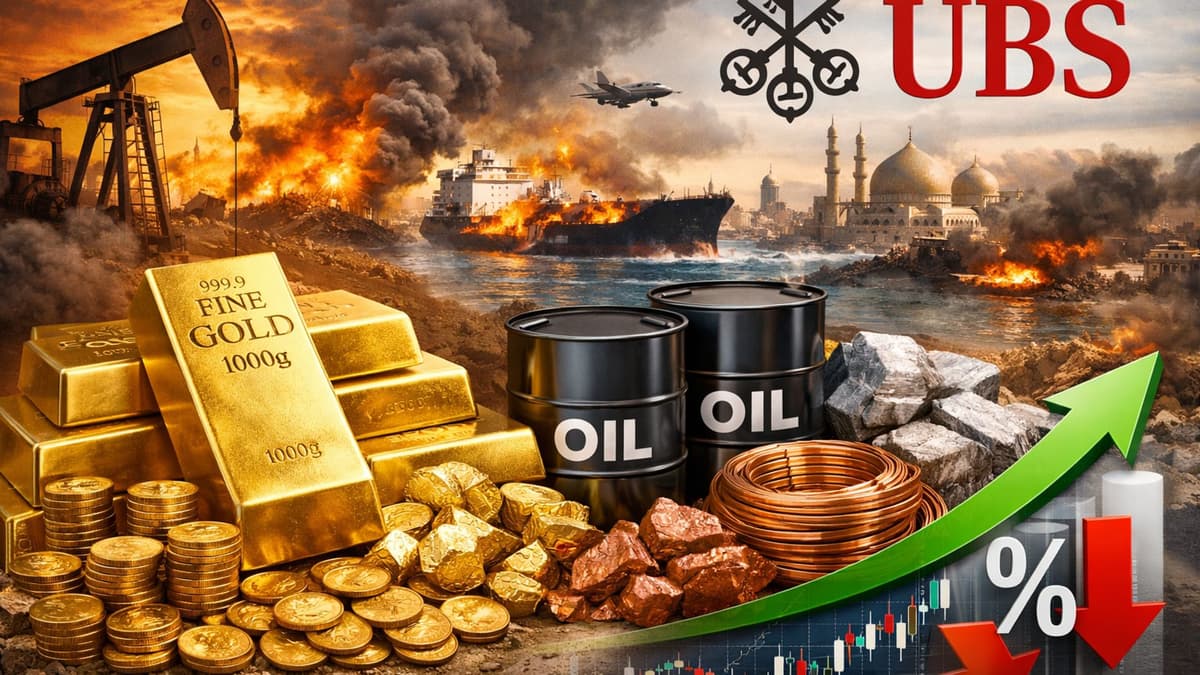
Giovanni Staunovo, commodity analyst at UBS, wrote in a note published Monday that continued tensions in Iran and risks around the Strait of Hormuz have increased both commodity prices and volatility, especially in oil. He said UBS continues to see upside for commodities because of fundamentals, supply-demand imbalances, and ongoing geopolitical risks.
Staunovo said maintaining an allocation to commodities, with active management, can help investors hedge against inflation and energy supply shocks. That message is relevant for Indian portfolios as well, since higher oil prices can worsen imported inflation and pressure the rupee, both of which can influence domestic gold price trends.
What is weighing on gold right now?
Higher rate expectations are weighing on gold sentiment in the near term. Staunovo noted that gold prices are currently just under 13% below their all-time closing high in January because rising rate expectations since the escalation in tensions have pressured the market.
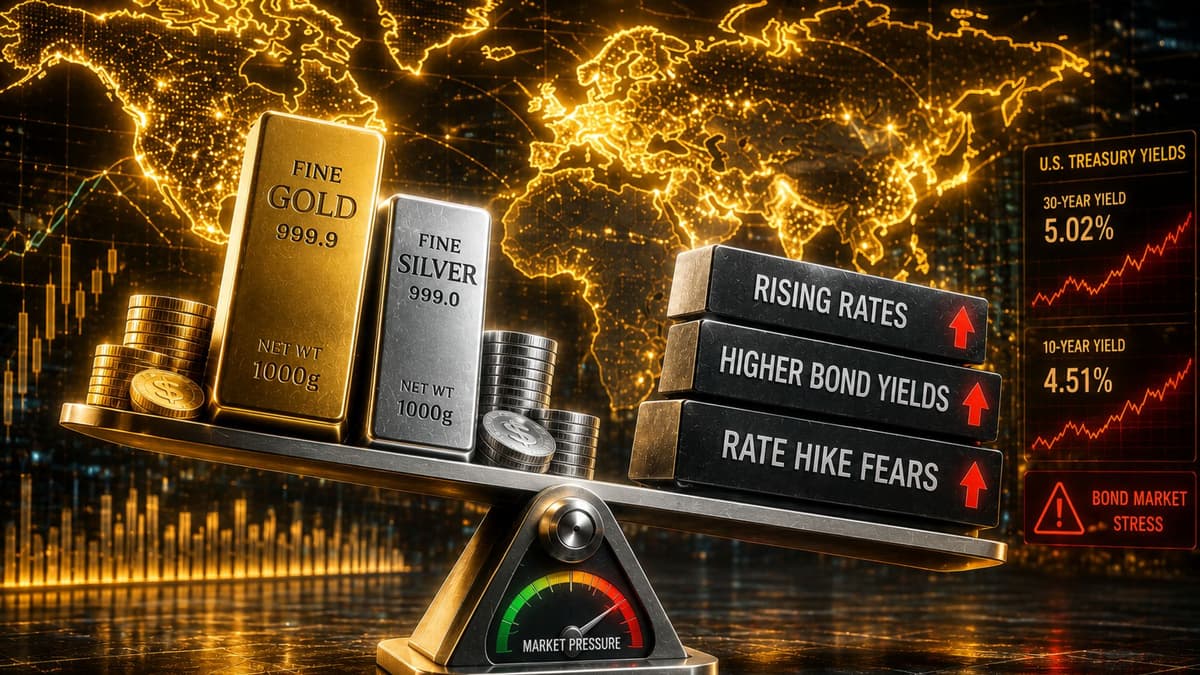
UBS analysts added that in the short term, higher energy prices and inflation worries have strengthened the U.S. dollar and raised concerns about potential rate hikes. A stronger dollar and higher rate expectations are typically negative for XAUUSD because gold yields no interest.
How much have oil and broad commodities moved?
Oil has surged sharply since the strikes on Iran, and broad commodities have already posted strong gains this year. UBS said Brent crude traded around $72 per barrel before the strikes on Iran, but reached $102 per barrel on Monday.
Staunovo also said broad commodities are up around 17% year to date, based on the UBS CMCI Composite total returns index in U.S. dollars. He argued that even if the geopolitical risk premium eventually fades, underlying fundamentals remain supportive.
Why does UBS think commodities can keep rising?
UBS says low inventories and supply tightness could continue to push prices higher. Staunovo said oil product inventories are running low in various economies and may require even higher prices to ration demand before stocks can be replenished.
He also said UBS expects further supply shortages in copper and aluminum over the medium term. At the same time, structural demand from electrification continues to support both metals over the long term.
For Indian investors, this broader commodity view matters because imported inflation from oil and industrial metals can affect interest rates, corporate margins, and household purchasing power. In such an environment, gold often regains appeal as a portfolio hedge.
What gold price targets has UBS given for 2026?
UBS has set an aggressive upside target for gold, projecting prices could rise to as high as $6,200 per ounce by the end of 2026. On March 16, UBS commodity analysts said the mix of geopolitical risk, interest-rate policy, inflation, and strong underlying demand could still propel the yellow metal to that level.
The same analysts said they continue to expect gold to trade toward $5,900-$6,200 per ounce this year. They added that the bank still believes gold can gain another 20% or more in 2026 despite its recent sideways movement.
Why has gold struggled to break higher so far?
Gold has not behaved like a classic wartime safe-haven during the current conflict. UBS noted that gold has been unable to break above $5,200 per ounce since the start of the Iran conflict, with the expected safe-haven bid failing to fully materialize.
The analysts said this is a contrast to gold’s 65% rise last year, when geopolitical risks supported prices alongside lower real interest rates and debt concerns. They argued that the latest performance is more in line with historical patterns during conflicts, when investors often seek liquidity and sometimes rotate toward energy assets instead.
How has gold behaved in past wars and rate-hike cycles?
Gold has often jumped at the start of major conflicts, then given back gains when interest rates rose or tensions eased. UBS said gold rose 15% after the Russia-Ukraine conflict began in 2022, but later fell by 15%-18% as the Federal Reserve raised rates.
The bank said similar patterns appeared during the Gulf War and Iraq War. Gold prices rose 17% and 19%, respectively, at the start of those conflicts, then declined as tensions faded.
That history supports UBS’s current argument: geopolitical stress alone does not guarantee a sustained bullion rally. Gold tends to perform better when conflict feeds into broader monetary risks such as slower growth, lower real rates, fiscal strain, and currency debasement.
What does UBS mean by gold as a hedge against the “wider impact” of conflict?
UBS says gold is more effective as a hedge against the secondary effects of war than against immediate battlefield headlines. The analysts wrote that gold primarily protects against monetary risks including currency devaluation, rising deficits, and economic slowdowns that can emerge from geopolitical conflicts.
They also said that the longer the U.S.-Iran conflict lasts, the greater the risk of negative economic effects, which should support hedging demand for gold. Over the longer term, UBS believes gold stands out as an inflation hedge.
According to the Global Investment Returns Yearbook, cited by UBS, the real returns of gold and commodities since 1900 have shown positive correlations with inflation. That is an important point for Indian savers, who often buy gold as protection against rising living costs and rupee purchasing-power erosion.
What is supporting gold demand underneath the market?
UBS says underlying gold demand remains firm despite some short-term volatility. The bank noted that ETF investors trimmed their gold holdings slightly earlier this month, but those positions have lately become more stable.
At the same time, hedge funds have modestly increased their net positioning in gold. UBS believes total gold demand should remain strong because of continued central bank purchases, rising investment activity, and structural growth in jewelry demand as incomes rise across Asia.
Why does Asia matter for gold demand?
Asia matters because rising household incomes can lift long-term jewelry and investment demand. UBS specifically pointed to structural growth in gold jewelry demand amid higher incomes in Asia, a trend with obvious relevance for India, one of the world’s largest gold-consuming markets.
If international gold prices rise while the Indian rupee weakens against the U.S. dollar, domestic gold rates could climb even faster than global benchmarks. That can affect jewelry buying, festive-season demand, and investment flows into bullion, coins, bars, gold ETFs, and sovereign gold-linked products.
Should investors hold only gold or diversify across commodities?
UBS says investors should still hold gold, but those with large unrealized gains may want broader commodity exposure. Staunovo said commodity returns can be strong when supply-demand imbalances or macro risks such as inflation and geopolitical events are elevated.
He said a modest allocation to commodities can improve diversification and act as a buffer against systemic risks. For investors with substantial allocations and significant unrealized profits in gold, UBS recommends broadening exposure to copper, aluminum, and agricultural assets to diversify future return drivers.
What allocation does UBS suggest for gold?
UBS remains positive on gold as a portfolio diversifier and suggests investors with an affinity for gold could consider an allocation of up to the mid-single digits in a diversified portfolio. The bank also said elevated government debt and efforts by central banks and global investors to diversify away from the U.S. dollar should continue to support gold’s long-term outlook.
For Indian investors, the key watchpoints are clear: movement in U.S. rate expectations, the U.S. dollar, Brent crude, the Iran conflict, central bank gold buying, and rupee direction. If geopolitical uncertainty stays high and rate-cut expectations strengthen, UBS’s bullish gold price outlook could become increasingly relevant for both global bullion markets and domestic Indian gold prices.