Gold’s long-term bull case remains intact even as an oil-driven inflation shock creates a near-term headwind for bullion. For Indian investors, the key shift is that rising crude prices are delaying global rate cuts, which can cap upside in XAUUSD in the short run, even as strong physical demand and geopolitical risk continue to support gold prices.
Why is gold facing pressure despite strong safe-haven demand?
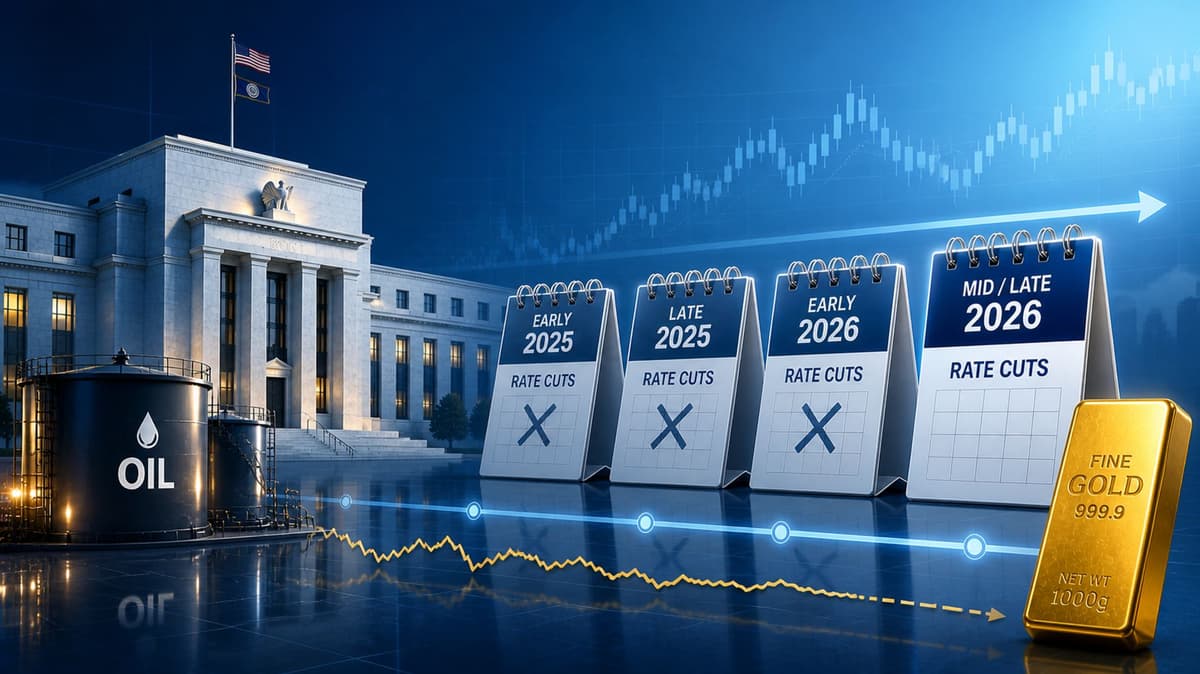
Gold is facing pressure because surging oil prices have revived inflation concerns and pushed central banks toward a more cautious policy stance. That raises the opportunity cost of holding non-yielding bullion and weakens near-term momentum in the gold price.What had looked like a supportive backdrop for gold in 2026—cooling inflation and imminent monetary easing—has changed quickly. Instead of preparing to cut interest rates, central banks are now waiting for clearer inflation signals as energy costs rise.
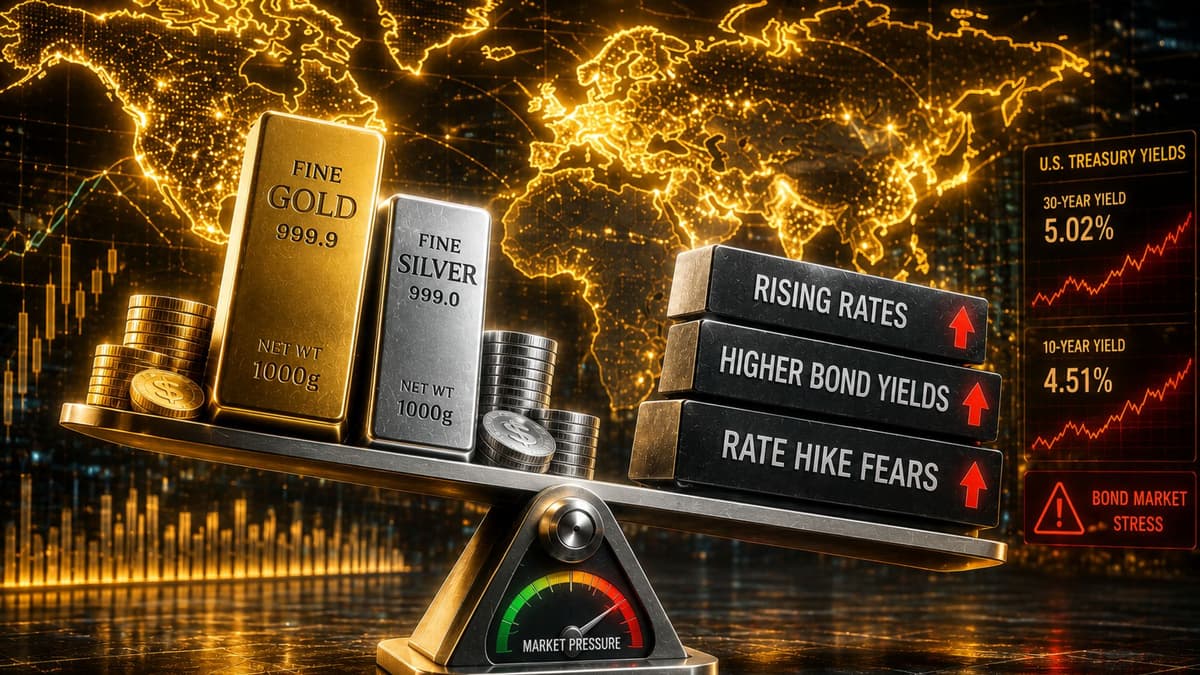
Rate hikes may not be the base case, but markets have pushed expectations for rate cuts further out. That matters for gold because higher-for-longer rates increase the appeal of yield-bearing assets relative to bullion.
Gold is also no longer trading only as a pure safe-haven asset. The precious metals market is increasingly reacting to interest rate expectations, and those expectations have turned less supportive.
For Indian investors, this global shift can spill into domestic prices through both international gold benchmarks and the rupee. If crude oil keeps inflation elevated and pressures India’s import bill, INR weakness could cushion any global pullback in gold when priced locally.
What triggered the latest oil shock and why does it matter for gold?
The trigger was the escalation of conflict in the Middle East, which produced what the World Bank called the largest oil supply shock on record in its April outlook. That shock matters because supply-driven inflation makes it harder for central banks to ease policy, even if growth slows.According to the World Bank, Brent crude climbed from $72 to as high as $118 per barrel in March. The bank also expects energy prices to rise 24% in 2026.
This type of inflation is especially challenging for gold. On one hand, inflation usually strengthens gold’s appeal as a hedge. On the other hand, when inflation comes from an oil supply shock, central banks often stay restrictive for longer, which can limit upside in XAUUSD.
How does oil-driven inflation change the rate outlook?
Oil-driven inflation delays monetary easing because central banks do not want to cut rates while price pressures remain elevated. That leaves real and nominal rates higher than gold bulls would prefer.The result is a more complicated macro backdrop. Gold still benefits from uncertainty and geopolitical stress, but it loses some support when traders conclude that rate cuts are no longer imminent.
Why is this a bigger issue than normal inflation?
Supply-driven inflation is more difficult for policymakers because it can hit growth and prices at the same time. Central banks then face the risk of keeping policy restrictive even as economic activity slows.That mix can create volatility across precious metals, bonds, currencies, and commodities. For Indian investors, it also raises the risk of imported inflation through higher crude prices, which can influence both RBI expectations and domestic gold demand.
How strong is physical and investment demand for gold in 2026?
Gold demand remains strong by historical standards. The World Gold Council said total gold demand rose 2% year-over-year in the first quarter to 1,231 tonnes, while the total value of demand jumped 74% to a record $193 billion.That is a critical support point for the gold market. Even with macro headwinds from interest rates, buyers have not stepped away from bullion.
Investment demand is leading the move. Bar and coin demand rose 42% to 474 tonnes in the first quarter, marking the second-highest quarterly level on record.
Why does Asian demand matter so much?
Asian buying matters because it reflects real physical demand rather than short-term speculative positioning. The source article notes that this surge in physical gold demand, particularly from Asia, shows investors are still using gold as a hedge against uncertainty.That trend is highly relevant for India, one of the world’s largest gold-consuming markets. Strong Asian demand can help support international prices and may also keep domestic premiums firm during periods of elevated investor interest.
Why hasn’t bullish sentiment collapsed?
Bullish sentiment has held up because demand data still supports the long-term case for higher gold prices. Even as prices consolidate, investors continue buying bars and coins at a strong pace.That resilience suggests the current phase is more of a pause within a broader bull market than a complete reversal. In other words, the gold price may be vulnerable to macro shocks, but underlying conviction has not broken down.
What are major institutions forecasting for gold prices?
Major institutions still expect gold prices to remain historically high. Bank of America has reaffirmed its 12-month gold target of $6,000 an ounce, while the World Bank expects gold to average around $4,700 an ounce in 2026.These forecasts show that the long-term outlook remains constructive even if near-term volatility increases. Analysts are focusing on structural forces that continue to support bullion.
Why is Bank of America still bullish on gold?
Bank of America remains bullish because it sees rising global debt and persistent geopolitical risks as durable drivers of the gold rally. Those structural themes tend to strengthen long-term investment demand for safe-haven assets.A $6,000 an ounce target also implies that the bank sees current consolidation as part of a larger uptrend rather than the end of the move. For Indian investors, such a view reinforces the case for strategic gold allocation despite short-term swings.
What does the World Bank’s $4,700 average forecast imply?
The World Bank’s forecast of around $4,700 an ounce in 2026 suggests gold can stay historically elevated even if the rally enters a more mature phase. That means prices may remain high, but upside could face stronger resistance from macroeconomic forces, especially interest rate expectations.This is an important distinction. The bullish trend may continue, but it may no longer move in a straight line.
What should Indian gold investors watch next?
Indian investors should watch oil prices, central bank rate signals, and rupee movements most closely. These three factors will shape whether global gold price strength translates into sharper gains in domestic bullion rates.The current market tension is clear: oil-driven inflation strengthens gold’s hedge appeal, but it also delays rate cuts and caps upside momentum. That creates a two-way market where safe-haven demand supports prices while higher-for-longer rates restrain breakouts.
For investors in India, any sustained rise in crude can also pressure the current account and the rupee, potentially amplifying local gold prices even if XAUUSD consolidates. If geopolitical fractures deepen and global debt continues rising, gold’s long-term bull market remains in place—but the path higher could become more volatile from here.