
# Gold Price Intraday Levels for April 30: Key Trader Signals
Gold traders looking for short-term setups on April 30 should focus on intraday support and resistance levels in Comex gold futures, as these can help identify potential buy and sell entry points during the trading session. The source analysis from Kitco News highlights a 5-minute bar chart as a practical tool for active intraday traders and market watchers tracking fast moves in gold price action.
For Indian investors, this kind of XAUUSD and Comex gold analysis matters because overnight moves in global bullion markets often influence domestic gold rates when the MCX opens. Sharp intraday swings in U.S. futures can also affect rupee-denominated gold prices, especially when USD/INR volatility adds another layer to price moves.
What are the key gold price levels traders should watch on April 30?
The main takeaway is that active traders should watch short-term technical support and resistance levels in Comex gold futures to spot potential intraday entries. These levels form the basis of the April 30 trading framework discussed in the source article.
According to Kitco News, the 5-minute bar chart for Comex gold futures serves as a daily analytical and trading tool. It is designed for active intraday gold futures traders who need fast reference points during the session.
The article states that potential buy and sell price entry points are derived from key short-term technical support and resistance levels. However, the source article does not publish the exact numerical levels in the provided text.
Why do support and resistance matter in intraday gold trading?
Support and resistance matter because they help traders define where gold price momentum may strengthen or weaken during the session. In practical terms, support can signal areas where buyers may step in, while resistance can show where selling pressure may emerge.
For active bullion traders, these levels can improve timing in highly liquid futures markets such as Comex. They are especially useful on short timeframes like a 5-minute chart, where price moves can unfold quickly.
How does the 5-minute Comex gold chart help active traders?
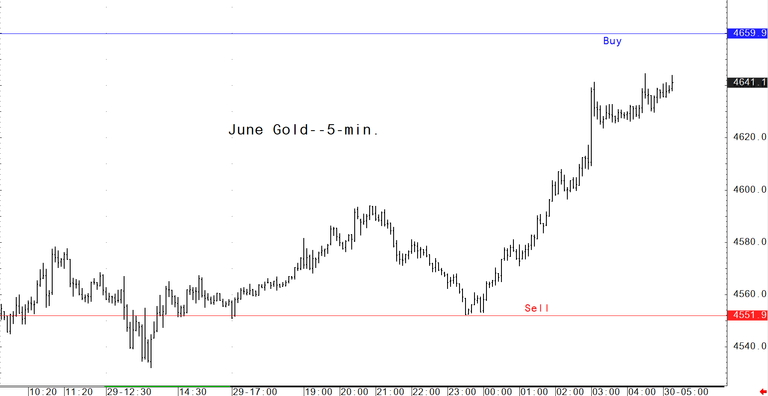
The answer is simple: the 5-minute chart helps traders track short-term momentum and react faster to intraday price changes. It gives market participants a structured way to monitor gold futures rather than trading on emotion.
The source article says this chart can be a valuable analytical and trading tool for the active intraday gold futures trader and market watcher. That framing suggests the chart is not just for placing trades, but also for understanding near-term market behavior.
What makes a 5-minute chart useful for gold futures?
A 5-minute chart is useful because it captures short bursts of momentum that longer charts may miss. In volatile precious metals trading, that can help traders identify breakout attempts, reversals, and retests of technical zones.
For Indian traders following international bullion markets, these short-term signals can offer clues before domestic pricing fully adjusts. This is particularly relevant when global gold price moves feed into local sentiment on physical gold, ETFs, and MCX futures.
What trading approach does the analysis recommend for intraday gold?
The article recommends buying on early price strength and selling on early price weakness, noting that this is how many successful traders operate. That means traders should align with emerging momentum instead of trying to fight it.
According to the source article, the framework is based on a simple but disciplined technical approach. Traders use short-term support and resistance to identify entries, then act when price confirms strength or weakness early in the move.
Why buy on early strength and sell on early weakness?
Buying on early strength can help traders join a developing move after confirmation, while selling on early weakness can help them avoid holding through a downturn. This approach aims to reduce guesswork in fast-moving gold futures markets.
In XAUUSD and Comex gold trading, momentum often builds quickly around technical levels. That is why many short-term traders prefer confirmation over anticipation.

Why is this April 30 gold market analysis relevant for Indian investors?
It is relevant because global gold futures often shape the opening tone for India’s gold market. International bullion price action can filter into MCX gold futures, wholesale pricing, and retail sentiment.
If Comex gold futures show strong intraday momentum on April 30, Indian market participants may see that reflected in domestic prices after adjusting for the rupee exchange rate and import-linked pricing dynamics. A stronger U.S. dollar against the Indian rupee can amplify global gold moves for local buyers.
How can Indian traders use global gold levels?
Indian traders can use global technical levels as an early indicator, especially if they track Comex and spot gold alongside MCX contracts. Even if local pricing does not move tick-for-tick with U.S. futures, global support and resistance still help frame risk.
This is also useful for short-term investors in gold ETFs and traders watching safe-haven demand across precious metals. When international bullion breaks a key level, domestic markets often respond quickly.
What did Jim Wyckoff say in his final Kitco note?
Jim Wyckoff said April 30 marked his last day at Kitco after serving readers for 16 years. He thanked readers for their loyalty and thanked Kitco for the opportunity to serve them.
In his note, Jim Wyckoff said he had the highest regard for Kitco and its leaders. He added that he would especially miss the Kitco News team and the readers.
Why does that note matter?
That note matters because it provides context for the article and marks the end of a long-running market commentary relationship with Kitco readers. For many gold market participants, Wyckoff has been a familiar voice in daily bullion coverage.
As traders move through the April 30 session, the key watchpoint remains whether Comex gold futures hold or break their short-term technical zones on the 5-minute chart. For Indian investors, those signals may offer an early read on bullion direction before the next move shows up in domestic gold prices.