
# Gold Price Intraday Levels for April 29: Key Entry Signals
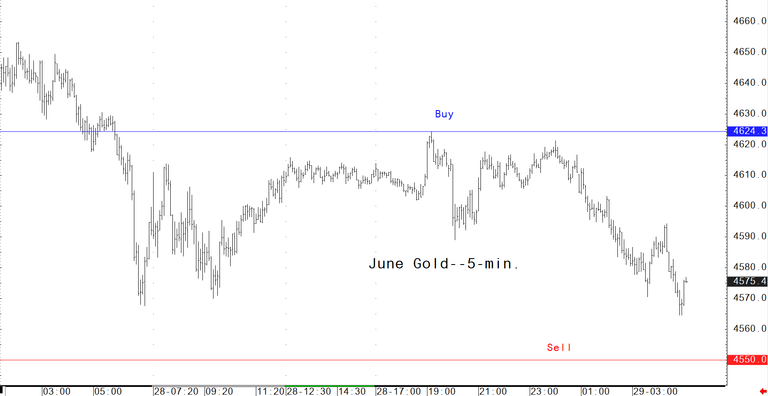
Gold traders looking for short-term setups on April 29 should focus on intraday support and resistance levels in Comex gold futures, as these levels can help identify potential buy and sell entry points. The source analysis highlights a 5-minute bar chart as a practical tool for active traders who track fast moves in the gold price and XAUUSD-linked sentiment.
What are the key gold price intraday levels for April 29?
The key intraday levels for April 29 are short-term technical support and resistance points in Comex gold futures. According to the Kitco News trading note, these levels are designed to help active traders identify potential buy and sell price entry points during the trading session.
The analysis is based on a 5-minute bar chart, which makes it especially relevant for traders who operate on very short time frames. In bullion trading, these chart-based levels often guide decisions around momentum, reversals, and breakout trades.
How does the 5-minute gold chart help active traders?
The 5-minute bar chart helps active traders by showing short-term price behavior in a format that is easy to monitor throughout the day. According to Kitco News, it is a valuable analytical and trading tool for the active intra-day gold futures trader and for market watchers following rapid moves in precious metals.
Because intraday gold price action can shift quickly, short-duration charts help traders react faster to changes in momentum. For traders in India watching global bullion markets overnight or during overlapping international sessions, this can be useful when tracking sharp moves in Comex gold futures, spot gold, or broader safe-haven flows.
Why support and resistance matter in gold trading
Support and resistance levels matter because they often mark areas where the gold price may pause, reverse, or accelerate. Traders use support to gauge where buying interest may emerge, while resistance can show where selling pressure could appear.
In short-term bullion trading, these levels can help structure entries, exits, and risk management. They are especially important for high-frequency or active participants trading gold futures by the troy ounce.
What trading approach does the source recommend?
The source recommends a momentum-based approach: successful traders often buy on early price strength and sell on early price weakness. This means traders look for confirmation that the market is moving in a direction before taking a position.
According to the source article, the highlighted entry points are built around that principle. Instead of trying to predict every turn in the gold market, traders use early signals from short-term price action to align with prevailing momentum.
How traders can apply this in live bullion markets
Active traders typically watch whether gold breaks above resistance or slips below support before entering positions. A move higher can signal a potential long setup, while early weakness can support a short-term sell decision.

In volatile sessions, this method may help reduce emotional trading. It can also improve discipline when markets react to U.S. data, Federal Reserve expectations, Treasury yields, or U.S. dollar swings that often influence XAUUSD and Comex bullion futures.
Why does this matter for Indian gold investors and traders?
This matters for Indian market participants because global gold futures often shape domestic price direction in the MCX gold market and influence bullion dealers across India. Even though the source focuses on Comex contracts, intraday moves in international gold prices can feed into local pricing once adjusted for the Indian rupee and import-related costs.
For Indian investors, short-term technical levels are most useful for traders, but they also offer clues about immediate market sentiment. If international gold prices show strong momentum or sharp weakness on April 29, domestic traders in India may see that reflected in rupee-denominated gold prices.
INR and local market implications
A weaker rupee can amplify gains in domestic gold prices even if international bullion prices stay flat. A stronger rupee can limit local upside even when global gold rises.
That means Indian traders should not track Comex gold futures in isolation. They should also monitor the USD/INR exchange rate, local premiums, and MCX price action when assessing short-term gold opportunities.
What should gold traders watch next?
Gold traders should watch whether April 29 price action respects or breaks the identified short-term support and resistance zones. The source makes clear that the daily intraday tool is meant for active traders who need a practical framework for fast decisions.
The most important watchpoint now is whether early session strength triggers buying interest or early weakness encourages further selling. For Indian traders, the next move in global bullion, the U.S. dollar, and the rupee will remain critical in translating these intraday signals into local gold market opportunities.