
# Gold Price Intra-Day Levels for April 23: Key Trader Entries
Gold traders looking for short-term opportunities on April 23 should focus on intra-day support and resistance levels in Comex gold futures. The source analysis from Kitco News highlights a 5-minute bar chart tool designed to help active traders identify potential buy and sell entry points based on short-term technical signals.
For Indian investors and traders, these levels matter because global Comex gold futures often shape early sentiment in bullion markets, including domestic gold rates when converted into rupees. Moves in XAUUSD, the U.S. dollar, and futures positioning can quickly influence MCX gold and physical bullion pricing in India.
What are the key gold price intra-day trading levels for April 23?
The main focus for April 23 is the use of key short-term technical support and resistance levels in Comex gold futures. According to Kitco News, these levels help identify potential buy and sell price entry points for active intra-day traders.
The source article does not publish the exact price levels in the text provided, but it makes clear that the framework is built around a 5-minute bar chart. That chart is intended as a practical tool for gold market watchers and short-term futures traders who need fast, technical reference points during the trading session.
Why do support and resistance levels matter in gold trading?
Support and resistance levels matter because they can signal where gold prices may pause, reverse, or accelerate. In active bullion trading, these levels often guide decisions on entries, exits, and risk management.
For traders in XAUUSD and Comex gold futures, short-term support can indicate potential buying zones, while resistance can mark possible selling areas. Indian traders using international cues for MCX positioning often track the same signals before domestic markets react.
How does the 5-minute gold chart help active traders?
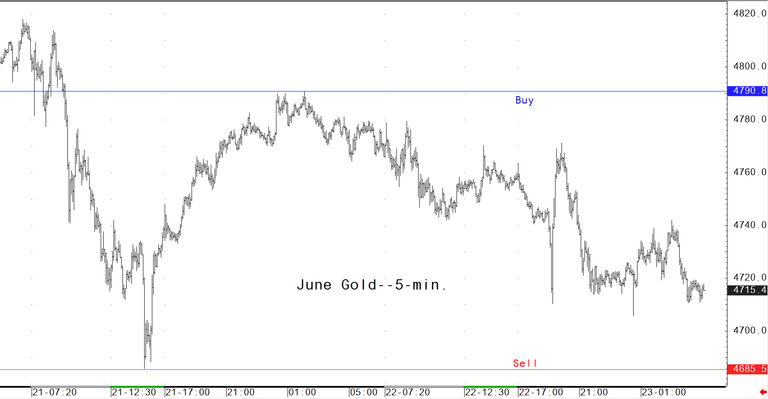
The 5-minute bar chart helps active traders spot fast-changing price action during the session. According to Kitco News, it is designed as a valuable analytical and trading tool for active intra-day gold futures traders and market watchers.
Because gold can move sharply within minutes, shorter-duration charts help traders monitor momentum, trend shifts, and breakouts more efficiently than longer-term charts. A 5-minute structure is especially useful for those trading intraday volatility rather than holding positions for days or weeks.
What makes a 5-minute chart useful for bullion markets?
A 5-minute chart captures immediate price behavior in Comex gold futures. That makes it easier to identify early strength, early weakness, and short-term technical turning points.
For Indian investors who actively trade rather than simply accumulate physical gold, such real-time charting can offer signals that complement broader macro drivers such as U.S. Treasury yields, Federal Reserve expectations, the dollar index, and INR movements.
What trading approach does the source analysis recommend?
The source analysis recommends buying on early price strength and selling on early price weakness. Kitco News explicitly notes that most successful traders follow that principle when trading short-term gold moves.
This is a momentum-based approach rather than a contrarian one. In practice, that means traders may look for confirmation that gold is moving higher before entering a long position, or confirmation of weakness before exiting or taking a short-side view.
Why is early strength important for gold trade entries?
Early strength is important because it can confirm that buyers are taking control of the session. In fast-moving gold futures markets, confirmation often reduces the risk of entering too early during a false breakout.

The same logic applies to early weakness. If gold fails at resistance or breaks below support, traders may use that weakness as a signal to sell, reduce exposure, or wait for lower re-entry levels.
Why should Indian gold traders watch Comex futures on April 23?
Indian gold traders should watch Comex futures because international price discovery often begins there. Global gold price action in U.S. futures can quickly affect domestic bullion sentiment, especially when the rupee is volatile against the U.S. dollar.
If Comex gold futures show strong early momentum on April 23, MCX gold contracts may reflect that tone when adjusted for currency movement and local premiums. If the rupee weakens at the same time, Indian gold prices in INR can rise even more sharply than dollar-denominated gold.
How do global gold moves translate into Indian prices?
Global gold moves translate into Indian prices through a combination of XAUUSD direction, futures pricing, and the USD/INR exchange rate. A stronger dollar gold price usually supports higher domestic bullion prices, while rupee weakness can amplify gains for Indian buyers.
That means even purely technical signals from a 5-minute Comex chart can matter for India-based participants. Active traders in India often use overseas gold levels to anticipate local market openings, hedging decisions, and short-term swings in jewellery and investment demand.
What should traders watch next after April 23 intra-day levels?
Traders should watch whether gold respects or breaks its short-term support and resistance zones during the session. The most important near-term signal is whether price action confirms early strength for buys or early weakness for sells, as outlined in the Kitco News framework.
For Indian investors, the next watchpoints include how Comex gold futures interact with the U.S. dollar, whether XAUUSD momentum carries into domestic trading, and whether USD/INR adds pressure to local bullion prices. If short-term technical levels break decisively, intraday volatility could spill over into MCX gold and shape near-term trading strategies beyond April 23.