Why did gold price fall ahead of the Federal Reserve decision?
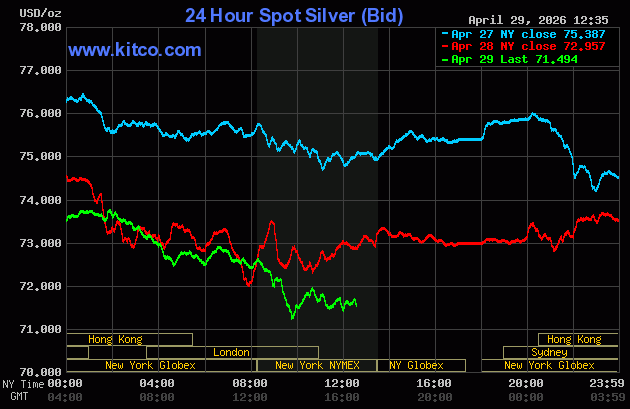
Gold price fell on Wednesday because traders turned cautious ahead of the Federal Reserve’s policy statement and press conference, while higher bond yields and persistent inflation worries reduced demand for non-yielding bullion. In midday U.S. trading, June gold futures were last down $36.20 at $4,572.60, while May silver futures fell $1.619 to $71.585.The Federal Open Market Committee meeting began on Tuesday morning and ends Wednesday afternoon with a statement and remarks from Federal Reserve Chair Jerome Powell. Markets widely expect no change in U.S. monetary policy at this meeting.
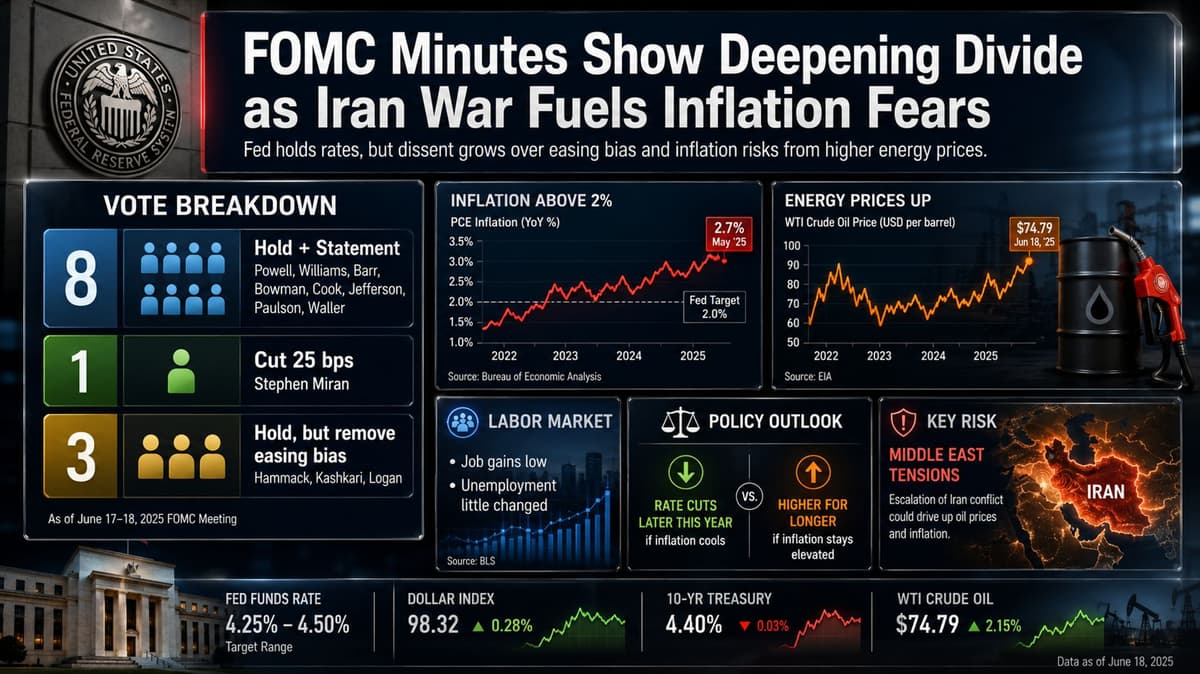
The Federal Reserve is expected to keep the federal funds rate unchanged at 3.5%–3.75% for a third straight meeting. That expectation has kept traders focused less on the rate decision itself and more on Powell’s tone on inflation, oil and the broader economy.
According to TradingEconomics.com, “the outlook for the rest of the year remains uncertain, with oil prices continuing to rise and inflation picking up due to the energy shock, even as labor market and broader economic indicators remain resilient.” That mix has limited fresh buying in gold and silver.
For Indian investors, this matters because global XAUUSD moves often feed directly into domestic bullion rates, though rupee movement against the U.S. dollar can soften or amplify the impact in the Indian gold market.
What market forces pressured bullion and silver today?
Rising U.S. Treasury yields, a firmer U.S. dollar and stronger crude oil prices pressured precious metals on the day. Gold and silver typically struggle when yields rise because bullion does not offer any yield or dividend.The key outside markets showed the U.S. dollar index firmer on Wednesday. At the same time, Nymex WTI crude oil traded solidly higher at around $106.50 a barrel, reinforcing inflation concerns.
The yield on the benchmark 10-year U.S. Treasury note stood at 4.4%. Higher Treasury yields raise the opportunity cost of holding gold, which can weigh on investor appetite for bullion in the short term.
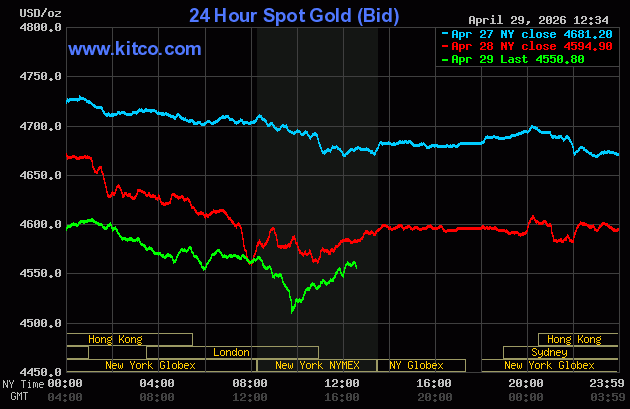
Near-term technical deterioration also kept futures traders cautious. When chart structures weaken, would-be buyers in the gold and silver futures markets often wait for clearer support levels before stepping back in.
For Indian bullion buyers, a stronger U.S. dollar can also pressure the rupee. If the rupee weakens while international gold prices fall, domestic gold prices in INR may not decline as sharply as global dollar-denominated prices suggest.
What is the Federal Reserve expected to do and why does it matter for gold?
The Federal Reserve is expected to leave interest rates unchanged, but its guidance could drive the next move in gold price. Markets are watching whether Jerome Powell sounds more worried about inflation or more concerned about growth.This meeting is notable because it will likely be the last FOMC meeting for Jerome Powell as head of the U.S. central bank, according to the source article. Even without a rate move, his press conference could shift expectations for the rest of the year.
Gold is highly sensitive to Fed messaging because interest-rate expectations affect both real yields and the U.S. dollar. If Powell signals policy will stay tighter for longer, that could keep pressure on XAUUSD. If he sounds more cautious on growth, gold could regain safe-haven demand.
Indian investors should track not just the Fed decision, but also how U.S. yields, the dollar index and rupee-dollar exchange rates react immediately after the announcement.
Why are central banks still buying gold despite weaker prices?
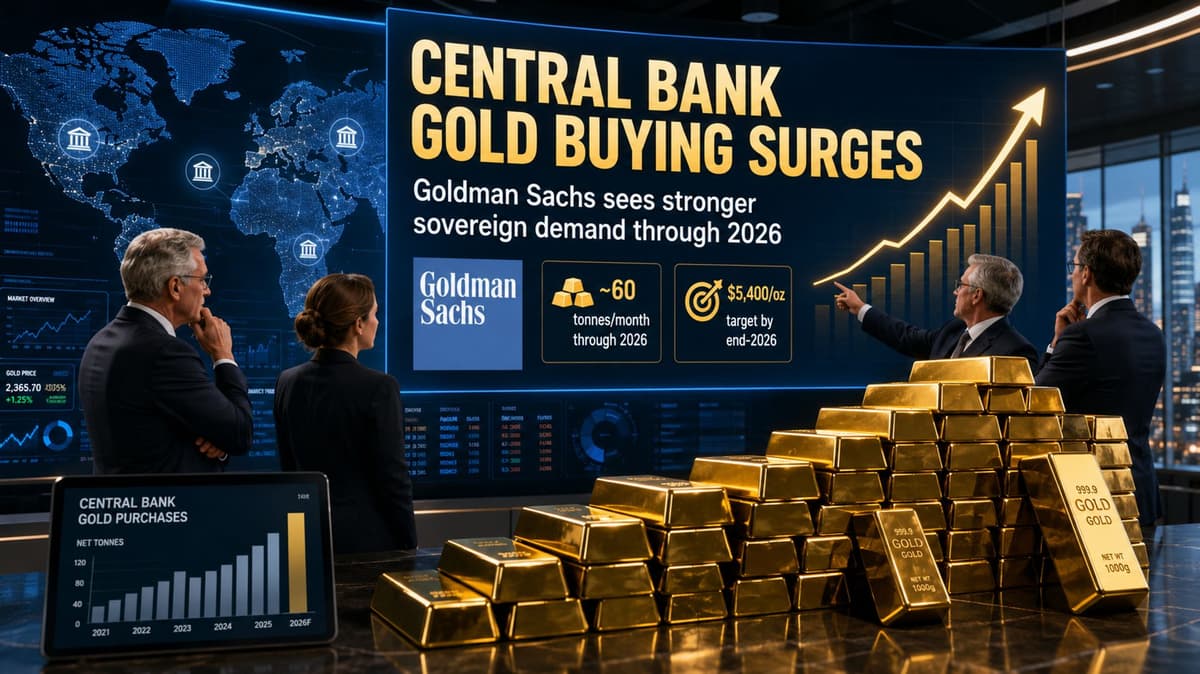
Central banks kept buying gold because the recent pullback from record highs created a dip-buying opportunity. According to the World Gold Council, official-sector demand accelerated in the first quarter even as market prices corrected.The World Gold Council said central banks added gold to reserves at the fastest pace in more than a year in the first quarter. Net official-sector purchases totaled 244 tons, up from 208 tons in the previous quarter.
Poland, Uzbekistan and China were the largest reported buyers, although some purchases were undeclared. The data suggests central banks still see strategic value in gold as a reserve asset despite short-term price weakness.
John Reade, chief strategist at the London-based World Gold Council, said: “It’s the first time in a while that we’ve seen a decent correction in gold. That has allowed central banks that might have been hanging back, waiting for exactly this opportunity, to come in and scoop up a load.”
That buying trend matters for Indian investors because steady central-bank demand can provide longer-term support to global bullion prices even when speculative futures positioning turns weak.
What are the key technical levels for gold futures now?
June gold futures remain in a technically neutral near-term position, with bulls and bears evenly matched, but the chart has weakened enough to keep buyers cautious. The next major upside and downside levels now matter closely for short-term direction.The bulls’ next upside price objective is a close above solid resistance at the April high of $4,917.70. The bears’ next near-term downside objective is to push futures below solid technical support at $4,300.00.
The first resistance level stands at the overnight high of $4,624.30, followed by $4,700.00. On the downside, first support is seen at $4,500.00 and then at $4,450.00.
Wyckoff's Market Rating for June gold futures is 5.0, indicating neither bulls nor bears have a clear overall near-term technical advantage.
For Indian traders who track COMEX and MCX correlations, these levels can act as reference points for short-term volatility in gold price and sentiment.

What are the key technical levels for silver futures?
May silver futures also weakened, and the market is now testing support close to the lower end of its recent range. Silver’s next move will depend on whether buyers can defend the $71 and $70 zone.The bulls’ next upside objective is a close above solid resistance at the April high of $83.245. The bears’ next downside objective is a close below solid support at $70.00.
First resistance in May silver stands at $75.00 and then at this week’s high of $76.555. Next support is seen at $71.00 and then at $70.00.
Wyckoff's Market Rating for May silver futures is 5.0. That signals a balanced technical backdrop, even though short-term momentum has weakened.
How do the spot and futures gold markets differ?
Gold trades through two main pricing systems: the spot market and the futures market. The spot market reflects immediate purchase and delivery, while the futures market sets prices for delivery at a later date.The source article notes that, due to year-end positioning market liquidity, the December gold futures contract is currently the most actively traded on the CME. Even so, the article’s main quoted benchmark for the day’s move was June gold futures.
This distinction matters for Indian investors because international headlines may cite spot gold, front-month futures or active CME contracts, while domestic pricing in India also reflects import costs, taxes, premiums and INR currency moves.
Looking ahead, the biggest watchpoint is the Federal Reserve’s statement and Jerome Powell’s press conference. If yields remain elevated near 4.4% and the U.S. dollar stays firm, gold price could remain under pressure; if the Fed opens the door to a softer policy path, bullion may find support again despite the current weak technical tone.