# Gold Price Faces Fresh Pressure as BoE Holds Rates Steady
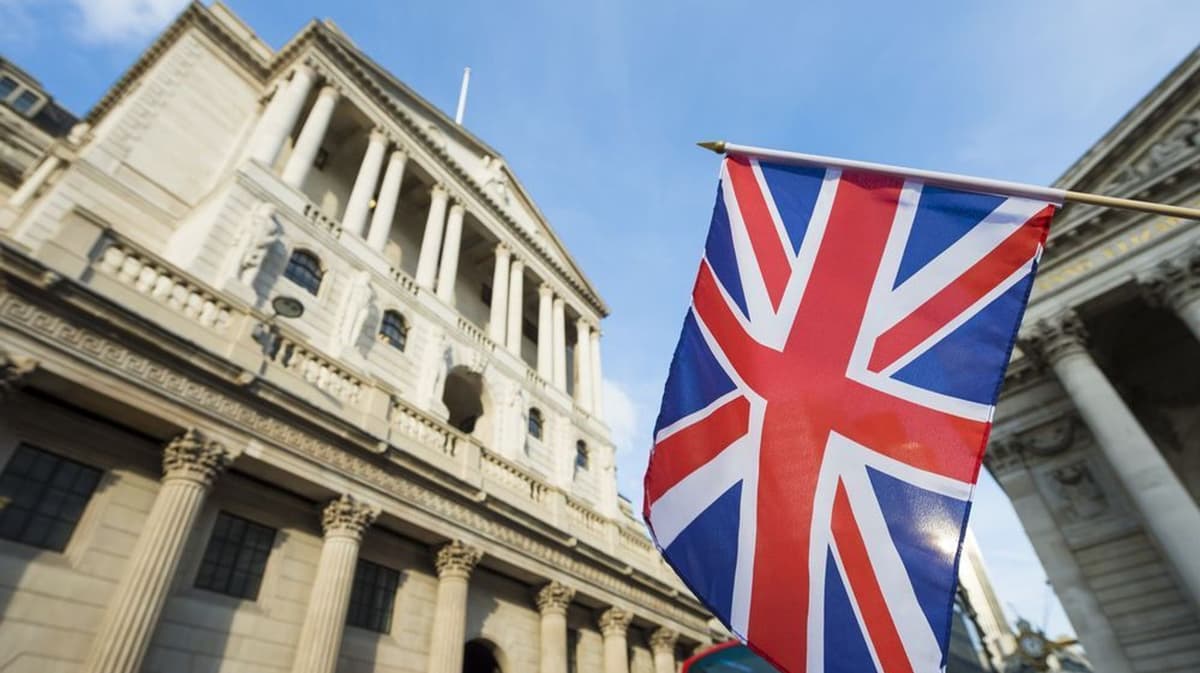
Gold price stayed under pressure after the Bank of England kept interest rates unchanged, as policymakers warned that the Middle East conflict has lifted global energy and commodity prices and could push inflation higher again. For bullion investors, that matters because higher-for-longer rates raise the opportunity cost of holding non-yielding assets such as gold.
Spot gold was last quoted at $4,617.90 per troy ounce, down 4% on the day, while spot gold against the British pound traded at GBP3,474.89 per ounce, also reported as down more than 4%. The source article's percentage move and quoted price levels appear slightly inconsistent mathematically, but both figures point to a sharp daily selloff in XAUUSD and sterling gold.
For Indian investors, the global gold price trend is only part of the picture. Any weakness in international bullion can be offset or amplified by USD/INR moves, import costs, and local demand for physical gold, especially as households track inflation and festival-season buying conditions.
Why did gold price remain under pressure after the Bank of England decision?
Gold price remained under pressure because the Bank of England signaled that inflation risks still require restrictive policy, even as growth slows. That combination reduces immediate support for bullion and keeps real-rate concerns in focus.
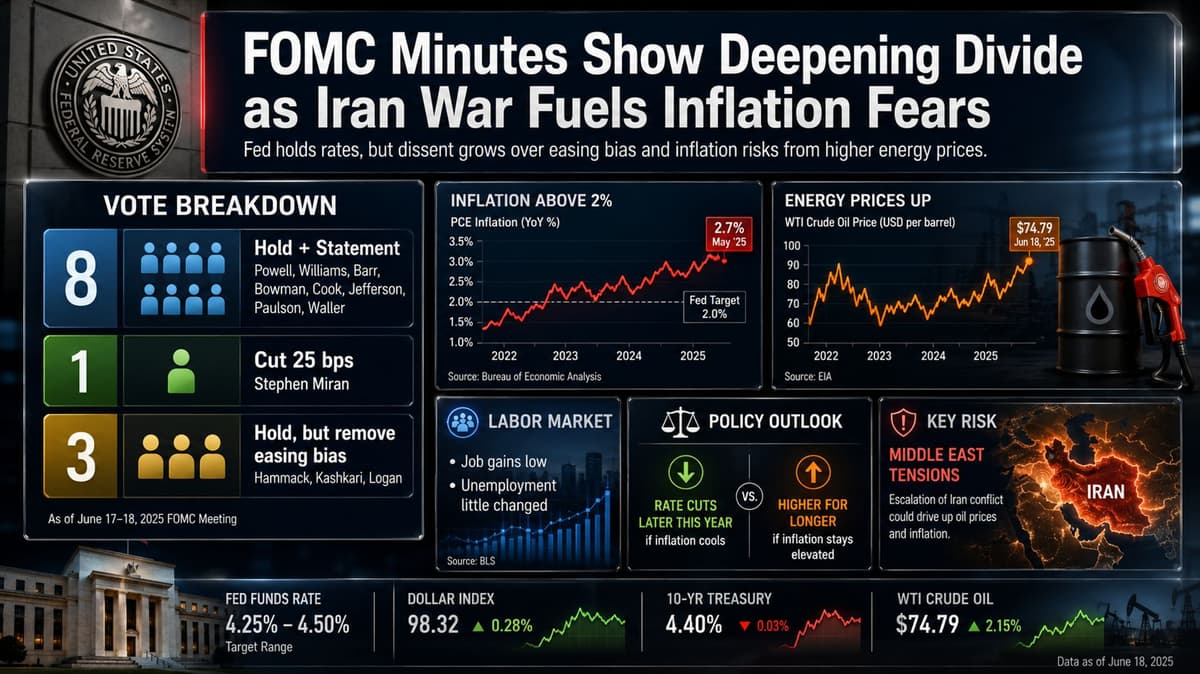
As expected, the Bank of England left its Bank Rate unchanged at 3.75%. The decision came as ongoing chaos in the Middle East continued to disrupt the global macro backdrop and forced central banks to avoid easing policy too quickly.
The Bank of England said the conflict has caused "a significant increase in global energy and other commodity prices," which will affect household fuel and utility bills and also raise business costs. That warning matters for gold because inflation driven by energy shocks can delay rate cuts, and delayed rate cuts often weigh on non-yielding precious metals.
What did the Bank of England say about inflation?
The Bank of England said inflation will rise in the near term because of the latest shock to the economy. It added that monetary policy cannot control global energy prices, but it can try to ensure the adjustment still returns inflation to the 2% target sustainably.
In its monetary policy statement, the central bank said there had been continued disinflation in domestic prices and wages before the latest energy-driven shock. However, it now expects CPI inflation to be higher in the near term because of the Middle East-driven jump in energy and commodity prices.
That message is a headwind for gold in the short term. When central banks push back against inflation persistence, markets tend to assume rates will stay higher for longer, which can pressure bullion, XAUUSD, and broader precious metals prices.
What did the Bank of England say about UK growth and the labour market?
The Bank of England said UK growth remained weak and the labour market continued to soften. That shows policymakers face a difficult trade-off between slowing activity and renewed inflation pressure.
According to the Bank of England, UK GDP expanded by 0.1% in 2025 Q4, below the 0.2% pace expected in the February Report. It also said activity stayed subdued in 2026 Q1, with monthly GDP flat in January.
Bank staff continued to estimate that underlying quarterly GDP growth for Q1 would be around 0.1% to 0.2%. That range suggests the economy is still expanding, but only marginally.
How weak is the UK labour market right now?
The labour market has weakened, with labour demand remaining soft and unemployment elevated. The Labour Force Survey unemployment rate stood at 5.2% in the three months to January, unchanged from December and close to the expectation in the February Report.
For gold, weak growth would normally support safe-haven demand. But in this case, the inflation shock from higher energy and commodity prices appears to be dominating the policy outlook, keeping central banks cautious and limiting immediate upside for bullion.
How far did gold prices fall after the BoE held rates unchanged?
Gold prices fell sharply, with both dollar-denominated and pound-denominated spot prices under pressure. The market reaction was limited immediately after the BoE decision, but the broader selloff remained intact.
Against the British pound, spot gold was last trading at GBP3,474.89 an ounce, down more than 4% on the day. In the broader market, spot gold was last trading at $4,617.90 an ounce, down 4% on the day.
The source article noted that the gold market showed little fresh reaction to the Bank of England's latest policy decision itself. That suggests traders were focused more on the wider global environment, including the Middle East conflict, inflation risks, and the prospect that major central banks will remain cautious.
Why does a higher-rate environment pressure bullion?
A higher-rate environment pressures bullion because gold does not pay interest. When central banks such as the Bank of England hold rates at 3.75% to fight inflation, yield-bearing assets can look more attractive relative to gold.
That does not eliminate gold's safe-haven appeal. But it can cap rallies when investors believe inflation will keep policymakers from cutting rates quickly.
How does this Bank of England decision affect Indian gold investors?
The Bank of England decision matters to Indian gold investors because it reinforces a global higher-for-longer rate backdrop, which can influence international gold price trends, the US dollar, and imported bullion costs in India. Indian buyers should watch both XAUUSD and USD/INR, not just one benchmark.
If global gold prices stay under pressure near $4,617.90 per ounce, Indian retail prices may soften in rupee terms only if the rupee remains stable. If USD/INR rises at the same time, local gold prices can remain firm even when international bullion weakens.
Why do energy prices matter for India's gold market?
Higher global energy prices matter because they can feed inflation across large importing economies such as India. If oil and commodity costs rise because of Middle East tensions, inflation expectations can strengthen, supporting long-term safe-haven demand for gold even if near-term rate expectations pressure prices.
That creates a mixed setup for Indian investors. On one side, elevated global rates can weigh on bullion. On the other, geopolitical stress, inflation concerns, and currency volatility can keep physical gold and investment demand resilient.
What should gold investors watch next?
Gold investors should watch whether other central banks echo the Bank of England's inflation warning and whether the Middle East conflict keeps energy prices elevated. Those two factors are likely to shape the next move in gold price, precious metals, and safe-haven flows.
The key signal from the Bank of England is clear: policymakers still see inflation risks, even as UK GDP growth runs at just 0.1% in 2025 Q4 and around 0.1% to 0.2% in 2026 Q1, with unemployment at 5.2% in the three months to January. If that mix spreads across other economies, gold could face continued policy headwinds in the short term.
For Indian investors, the next watchpoints are global energy prices, central-bank guidance, XAUUSD price action, and rupee moves. If geopolitical risks deepen while inflation stays sticky, gold may regain support as a safe-haven asset even after this latest selloff.