# Gold Price Entry Levels for March 31: Key Intraday Trade Zones
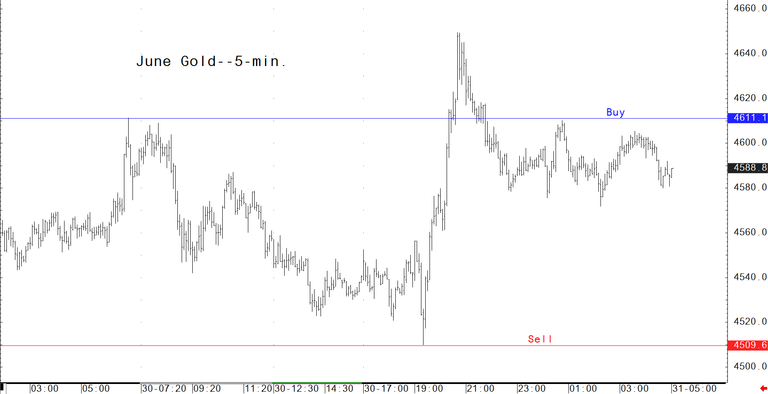
Gold traders were focused on intraday entry levels for Comex gold futures on March 31, with a 5-minute bar chart highlighting key short-term support and resistance zones for active trading decisions. For Indian investors and traders tracking global bullion moves, these levels matter because they can influence near-term XAUUSD sentiment, Comex futures direction, and domestic gold pricing when converted into INR.
What are the key gold price entry levels for March 31?
The main focus on March 31 was on identifying potential buy and sell entry points in Comex gold futures using a 5-minute bar chart. According to Kitco News, the chart was designed as a practical analytical and trading tool for active intraday gold futures traders and market watchers.
The framework relies on short-term technical support and resistance levels. These levels help traders spot where gold price momentum may strengthen or weaken during the trading session.
For active market participants, support zones can act as areas where buying interest may emerge, while resistance zones can signal where selling pressure could build. In fast-moving bullion markets, these intraday levels are especially relevant for short-duration trading strategies.
How does the 5-minute chart help active gold traders?
The 5-minute chart helps active gold traders make faster decisions by showing short-term price action in Comex gold futures. Kitco described it as a valuable analytical and trading tool for intraday traders who need a close view of market moves as they develop.
Because each bar captures just five minutes of trading, the chart can reveal early strength, weakness, breakouts, or reversals more clearly than longer-duration charts. That makes it useful for traders looking to time entries and exits within the same session.
Why do support and resistance levels matter?
Support and resistance matter because they provide structure in short-term trading. Traders use support to identify possible buying zones and resistance to identify possible selling zones.
In gold and other precious metals markets, these levels can become more important when volatility rises. A break above resistance can indicate bullish momentum, while a move below support can suggest further weakness in the gold price.
What makes this tool useful for market watchers?
This tool is useful because it combines chart-based analysis with actionable trade planning. Rather than offering only a broad market view, it points traders toward possible price entry levels tied to near-term market behavior.
For investors in India who follow overnight U.S. futures action, these intraday signals can also help explain sharp moves later reflected in MCX gold and local bullion rates.
What trading approach does Kitco highlight for intraday gold futures?
Kitco highlights a momentum-based trading principle: most successful traders buy on early price strength and sell on early price weakness. This approach emphasizes confirming market direction instead of trying to pick exact tops or bottoms.
In practice, that means traders may look for gold to show signs of upward momentum before entering long positions. On the other side, they may use early weakness as a signal to exit longs or initiate short-term sell trades, depending on their strategy and risk controls.
Why buy on early strength?
Buying on early strength can help traders align with prevailing market momentum. If gold futures begin to push higher from support or break above a resistance level, traders often view that as confirmation that buyers are gaining control.
This can reduce the risk of entering too early during a weak or directionless market. In intraday trading, confirmation matters because price swings can be swift and unforgiving.
Why sell on early weakness?
Selling on early weakness can help traders protect capital and respond quickly to fading momentum. If gold fails at resistance or slips below support, that weakness may signal that sellers are taking control.
For active bullion traders, reacting to weakness early can be the difference between a controlled loss and a larger drawdown. This is particularly important in leveraged futures markets such as Comex gold.

Why do Comex gold futures matter for Indian gold investors?
Comex gold futures matter because they are a global benchmark for bullion pricing, and moves there often filter through to Indian gold prices. When Comex gold rises or falls intraday, the impact can later show up in MCX futures, jewellers' rates, and investment demand in India.
Indian investors should also watch the USD/INR exchange rate. Even if the international gold price is stable in U.S. dollars per troy ounce, rupee weakness can keep domestic gold prices elevated.
How can intraday global moves affect gold in INR?
Intraday global moves affect gold in INR through both price translation and sentiment. A stronger Comex session can push up expectations for local bullion prices, especially when the rupee weakens against the U.S. dollar.
Likewise, if global gold prices soften but the rupee falls sharply, Indian retail prices may not decline by the same extent. That is why Indian traders often track both XAUUSD and USD/INR together.
Who benefits most from these intraday levels?
These intraday levels are most relevant for active traders, short-term speculators, and market watchers. Long-term investors may not trade 5-minute charts, but they can still use them to understand near-term volatility and entry timing.
For Indian traders in particular, the levels can offer clues before the domestic market fully reflects overnight global bullion activity.
What should gold traders watch next after March 31?
Gold traders should watch whether price respects or breaks short-term support and resistance levels during the next active session. The usefulness of the March 31 framework depends on how well traders respond to early price strength or weakness in live market conditions.
Kitco said this chart-based setup is a unique and exclusive daily trading and analytical tool for active intraday gold futures traders. For Indian investors, the key watchpoint is whether global bullion momentum, Comex price action, and USD/INR moves combine to strengthen or weaken domestic gold prices in the next session.