# Gold Price Correction Is a Rare Buying Chance, Says WisdomTree
Gold’s correction is creating a potential entry point rather than signaling a collapse in the long-term bull case, according to Nitesh Shah, head of commodities and macroeconomic research at WisdomTree. He told Kitco News that the recent drop looks driven more by positioning shifts and forced liquidations than by any major deterioration in gold’s core fundamentals.
For Indian investors, that distinction matters. When global bullion prices correct sharply, domestic gold rates in rupees can also soften, although the final move in India depends on the USD/INR exchange rate, import costs, and local demand for jewellery, bars, coins, and ETFs.
Why does Nitesh Shah say the gold price correction is a buying opportunity?
Shah says the current gold price correction looks like a bargain because the selloff appears far larger than what macroeconomic fundamentals justify. In his view, investors are seeing froth come out of the market rather than the start of a structural breakdown in bullion.
In his interview with Kitco News, Shah said gold has dropped more than $1,000 from its peak since the January highs. He argued that this scale of decline does not match what traditional drivers such as bond yields, the U.S. dollar, and speculative positioning would normally imply.
He was blunt in his assessment: “Gold is at bargain prices… it really does look like a good opportunity to buy.” He added that investors who have waited years for a better entry point may be looking at exactly that moment now.
Shah also framed the correction in behavioral terms. He said many investors regularly say they like gold but keep waiting for a pullback, and this decline may be the opportunity they claimed they wanted.
What drove gold prices lower from the January highs?
Shah says the recent gold price fall was driven mainly by liquidity stress, forced selling, and positioning changes, not by a collapse in the macro backdrop. That is his central explanation for why gold has fallen so sharply from the January highs.
According to Shah, his model shows that bond yields, the U.S. dollar, and speculative positioning explain only about $200 of downside. That is far below the more than $1,000 decline from the peak, which suggests most of the move came from other pressures.
He told Kitco News: “I think most of what we’ve lost since January highs is just froth coming off prices.” He added that the bulk of the correction cannot be explained by fundamentals alone.
How do forced liquidations hit gold during market stress?
Shah says broader market stress can force investors to sell gold to raise cash. In volatile periods, even safe-haven assets like gold can fall temporarily because traders and funds need liquidity.
That pattern is important for XAUUSD investors and for Indian market participants watching MCX gold. A drop caused by deleveraging can look bearish in the short term, but it does not necessarily mean the long-term case for precious metals has weakened.
Do geopolitical shocks always lift gold immediately?
No, Shah says gold often falls first during major geopolitical events before moving higher later. He described this as a familiar pattern in past market shocks.
His exact point was: “Every big geopolitical risk event we’ve seen in the past, we’ve seen a bit of gold price downside before it goes up.” That view suggests the initial selloff may reflect market mechanics rather than fading safe-haven demand.
How do interest rate expectations affect the gold outlook now?
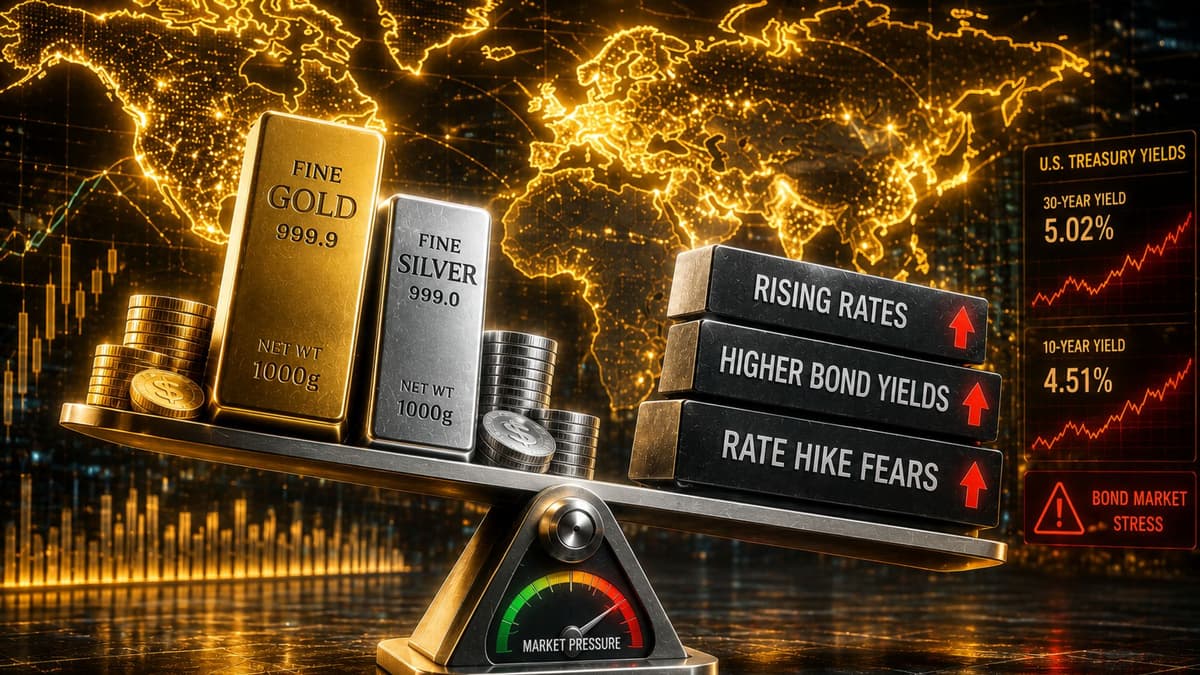
Shah says shifting rate expectations have hurt gold in the near term, but he believes markets may be overstating the chances of aggressive tightening. If central banks do not raise rates significantly, that would remain supportive for non-yielding assets such as gold.
He said part of gold’s weakness stems from changing expectations around interest rates. But he also said he is “highly skeptical” that central banks would hike interest rates aggressively in an environment where inflation is being driven by supply-side shocks.
Why is Shah skeptical about aggressive rate hikes?
Shah says aggressive tightening would risk pushing economies into recession. That is why he expects policymakers to stay in a holding pattern rather than respond forcefully to supply-led inflation.
In that scenario, inflation pressures would continue to work through the system without a sharp policy shock. That backdrop has historically been constructive for bullion, especially when real yields remain under pressure or policy credibility weakens.
For Indian investors, this matters because the Federal Reserve’s path influences the U.S. dollar, global capital flows, and imported gold prices. If U.S. rates do not rise as aggressively as markets fear, that can help support international gold prices even if rupee moves change the local impact.
Why does Shah still see strong support for gold prices ahead?
Shah says persistent geopolitical risks remain a major support pillar for gold. He believes those risks have not disappeared, even though the market has temporarily sold bullion during volatility.
He told Kitco News: “Geopolitical risks aren’t going away, and when investors realize this, that’s when gold prices will rise.” That view keeps the safe-haven case intact despite the recent correction.
What year-end gold price target does Shah forecast?
Shah’s base-case model points to gold ending the year at around $5,020 an ounce. He also said upside risks tied to new geopolitical tensions could drive prices much higher.
He added: “I wouldn’t rule out $6,000 based on the new geopolitical risks.” Those projections are far above current correction levels and show how bullish WisdomTree’s commodities research remains on the longer-term path for bullion.
For Indian investors, any move toward $5,020 or even $6,000 per troy ounce would have major implications for domestic gold prices, especially if the rupee weakens against the U.S. dollar at the same time. In practice, that could amplify gains in local terms for buyers of physical gold, sovereign gold bonds in the secondary market, and gold ETFs.
How does the broader commodities outlook support gold?
Shah says the environment is supportive not just for gold but for commodities more broadly. He believes the global economy is moving into a late-cycle phase marked by rising inflation risks and supply constraints.
He said late-cycle dynamics tend to support commodities, with energy, agriculture, and base metals now catching up after precious metals led earlier in the cycle. In his view, ongoing geopolitical disruptions and structural underinvestment in supply are laying the groundwork for longer-lasting strength across the commodity complex.
That argument matters because gold often benefits when investors want broader inflation protection and commodity exposure. It also means Shah is not treating bullion as an isolated trade but as part of a wider macro allocation theme.
How much should investors allocate to gold and commodities?
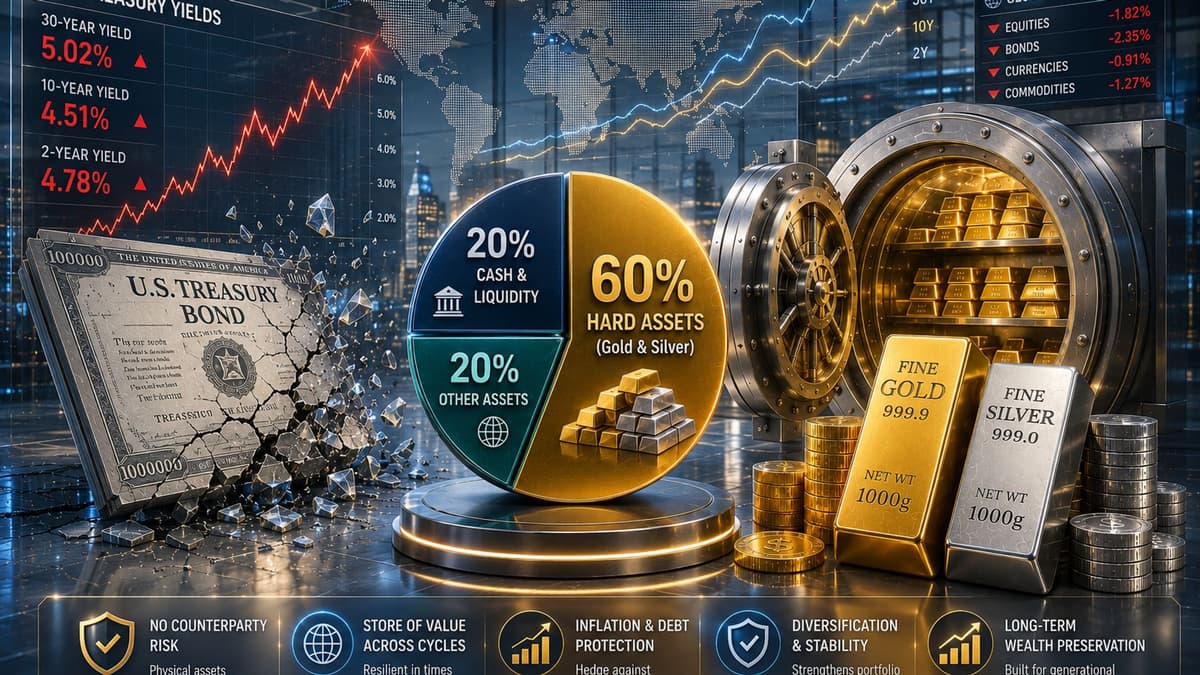
Shah recommends that investors hold 15% to 20% of a traditional portfolio in commodities alongside equities and bonds. Within that commodities bucket, he said about 20% should sit in precious metals, including gold.
His approach is diversified rather than gold-only. He said: “I would go broad in commodities, but within that, about 20% should be in precious metals.”
What kind of commodity exposure does Shah prefer?
Shah says investors should focus on liquid markets and tilt toward commodities with strong price momentum and tightening supply conditions. He does not favor simply tracking broad indices without considering underlying market structure.
For Indian investors, that implies being selective across gold ETFs, commodity funds, and international exposure vehicles where available. It also reinforces the case for using gold as part of a diversified portfolio rather than as a standalone all-in bet.
Shah’s core message is clear: the correction from the January highs may feel uncomfortable, but he sees it as an entry opportunity rather than a reason to abandon gold. The key watchpoint now is whether geopolitical risks persist and whether central banks avoid the kind of aggressive rate hikes the market has feared, because that combination could decide how quickly gold resumes its upward trend.