
Gold market analysis for March 23 centers on a 5-minute bar chart for Comex gold futures that Kitco describes as a practical tool for active intra-day traders and market watchers. The setup focuses on key short-term technical support and resistance levels to identify possible buy and sell price entry points in the gold price.
For Indian investors, the immediate relevance is that short-term moves in Comex gold futures often shape sentiment in global bullion markets and can spill over into MCX gold, imported bullion costs, and local rupee-denominated pricing.
What does the March 23 gold market analysis show?
It shows that a 5-minute Comex gold futures chart can help active traders track intraday gold price action more closely. According to Kitco News, this chart is presented as both an analytical and trading tool for traders focused on short-term moves in bullion.
The March 23 note does not frame the market through a long-term macro lens. Instead, it focuses on intra-day trading conditions, where fast changes in support and resistance can matter more than broader weekly trends in XAUUSD or physical precious metals demand.
Why is a 5-minute chart important for active gold traders?
A 5-minute chart matters because it captures very short-term price swings that day traders use to time entries and exits. In the case of Comex gold futures, that can help traders react more quickly to momentum shifts inside a single trading session.
For market watchers, the value is not only in the chart pattern itself but in how it maps short-term trading behavior around key technical levels. That can be especially useful when gold price volatility rises during overlapping U.S. and global trading hours.
How are support and resistance used for gold entry levels?
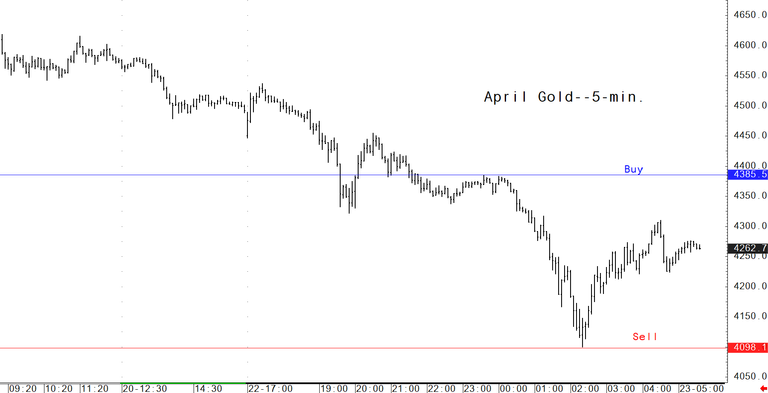
They are used to identify where traders may consider potential buy and sell price entry points. Kitco says the March 23 tool is based on key short-term technical support and resistance levels in Comex gold futures.
Support levels generally mark zones where buying interest may emerge, while resistance levels can signal areas where selling pressure may appear. For active traders in gold, silver, and other precious metals, these levels often help structure intraday decisions rather than longer-term investment allocations.
What kind of trading signals does the article emphasize?
The article emphasizes price entry points, not broad investment themes. That means the focus is on where an active trader may act when gold futures show early movement around a technical level.
The source does not publish the exact price numbers in the text provided, but it clearly states that the framework relies on short-term technical levels to generate actionable trade setups. In practical terms, this is the kind of method traders use when monitoring fast changes in bullion prices by the minute.
What trading approach does Kitco recommend for intraday gold traders?
Kitco recommends a momentum-based approach: most successful traders buy on early price strength and sell on early price weakness. That is the clearest tactical takeaway from the March 23 gold market analysis.
This approach reflects a classic intraday trading principle. Instead of trying to catch every reversal, traders often look for confirmation that momentum is already developing before entering a position in Comex gold futures.
Why does early price strength matter in gold futures?

Early price strength matters because it can confirm that buyers are taking control at the start of a move. In gold futures, where intraday sentiment can shift quickly on U.S. dollar moves, Treasury yields, or risk appetite, that confirmation may reduce the risk of entering too early.
Likewise, selling on early price weakness aims to align a trade with downside momentum rather than fighting it. For short-term traders in XAUUSD-linked products and Comex contracts, that can be an important discipline during volatile sessions.
Why does this March 23 analysis matter for Indian gold investors and traders?
It matters because global gold price action often feeds into India’s domestic bullion market, even when the original analysis is designed for U.S. futures traders. Intraday moves in Comex gold futures can influence sentiment in MCX gold, dealer pricing, and hedging decisions for Indian participants.
For Indian investors, the key point is not necessarily to mirror every 5-minute trade. The real value is understanding how short-term technical levels in the global gold price can affect local market direction, especially when the rupee and international bullion prices move at the same time.
How can Indian traders use this information without overtrading?
Indian traders can use it as a signal framework, not as a stand-alone strategy. Watching support, resistance, and early-session momentum in Comex gold can help traders prepare for moves in local contracts without forcing a trade on every small fluctuation.
Longer-term investors in physical gold, gold ETFs, or sovereign gold bonds may treat this kind of March 23 market analysis differently. For them, the report is more useful as a pulse check on short-term sentiment than as a direct buy-or-sell instruction.
Where can active traders find this gold trading tool?
Kitco says active intra-day gold traders should check this unique and exclusive daily trading and analytical tool available only at Kitco. The note presents the chart as a recurring resource for traders who want a structured way to monitor intraday gold futures action.
That makes the March 23 analysis less of a one-off opinion piece and more of a daily technical reference. For traders following gold price swings closely, the main watchpoint now is whether short-term momentum continues to respect support and resistance levels in upcoming sessions.