# Bitcoin Fall Phase Deepens as Gold Leads the Debasement Trade
Bitcoin is in a post-peak correction phase, and Michael Terpin says the downside could extend to $40,000-$55,000 before the market finds a durable bottom. For Indian investors tracking gold price trends, bullion and Bitcoin together, the key message is that gold is still leading the global debasement trade while Bitcoin may lag before its next recovery phase.
What is driving Bitcoin into a 'fall phase' in early April 2026?
Bitcoin is entering what Michael Terpin calls the "fall phase" of its market cycle, a period that typically follows a bull-market peak and brings deeper corrections. Speaking with Kitco News in early April 2026, the Transform Ventures founder and CEO said the pattern reflects repeatable investor behaviour more than geopolitical shocks.
Terpin said, "That's Bitcoin fall. That's what we're in right now." At the time of the interview, Bitcoin traded in the mid-$60,000 range in early April and remained relatively stable even as tensions in the Middle East escalated.
The interview came as reports on April 2, 2026 said Iran was drafting a protocol with Oman to monitor traffic through the Strait of Hormuz. Even so, Terpin argued that Bitcoin's price action was being shaped more by internal cycle dynamics than by headline geopolitical risk.
Why does this phase usually bring selling pressure?
This phase usually brings selling because retail investors who bought near cycle highs tend to exit when prices weaken. Terpin said newer participants often panic first, which increases downside pressure.
He said, "Retail in particular panics." That retail-led selling, in his view, is a defining feature of the current correction.
How low can Bitcoin go, according to Michael Terpin?
Michael Terpin expects Bitcoin to fall to between $40,000 and $55,000 before a bottom is established. That downside range is his central call for the current correction phase.
He said, "I think it's going to go down between 40 and 55." He also believes a more dramatic washout could still lie ahead later in 2026.
When could Bitcoin's capitulation event happen?
Terpin said the final capitulation phase could arrive in roughly October 2026. In his reading of past cycles, that event often marks the point where weaker holders exit and longer-term investors start rebuilding positions.
He said, "The capitulation event that I believe is still coming in roughly October." Terpin added that previous cycles followed a similar timeline, suggesting the market may still need one more major flush lower before a durable recovery begins.
Why could that matter for investors?
A capitulation event matters because it can create entry points for investors willing to buy after panic selling. Terpin said these periods have historically allowed longer-term buyers to reaccumulate as weaker hands leave the market.
For Indian investors, that means risk management remains critical if they hold Bitcoin alongside gold, silver or other precious metals. A sharper Bitcoin correction can coexist with strong bullion demand if capital continues to rotate first into traditional safe-haven assets.
Why does Terpin say macro matters less than Bitcoin supply dynamics?
Terpin says macro matters less because Bitcoin still trades primarily on supply, demand, fear and greed rather than external shocks. In his view, the market's internal structure remains the dominant force, even during periods of elevated geopolitical stress.
He said, "macro is less important than the supply and demand and the fear and greed." That is why he places more emphasis on the Bitcoin cycle and the halving structure than on day-to-day geopolitical headlines.
How does the halving cycle support Bitcoin over time?
The halving cycle supports Bitcoin by reducing new supply, which can magnify the price impact of steady or rising demand. Terpin said this remains the market's core structural driver.
He said, "As long as the amount of net buying of Bitcoin in any four-year period between halvings is higher than the amount of new Bitcoin mined, the price has to go up. It's math."
Terpin also said that declining issuance and continued accumulation by long-term holders could tighten available supply into the next phase of the cycle. That means he sees the current weakness as part of a longer-term supply-constrained trend, not as a breakdown of Bitcoin's broader thesis.
Why is gold leading the debasement trade before Bitcoin?
Gold is leading because, according to Michael Terpin, investors usually buy bullion first when they position for currency debasement. Bitcoin tends to attract those flows later in the cycle.
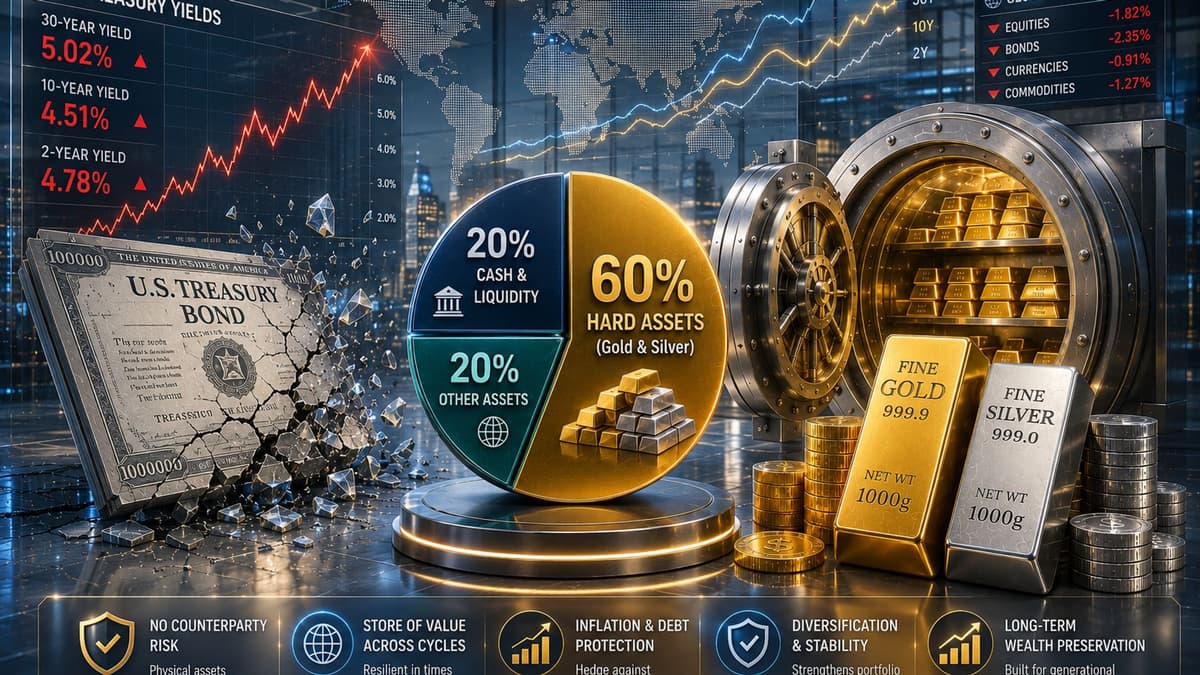
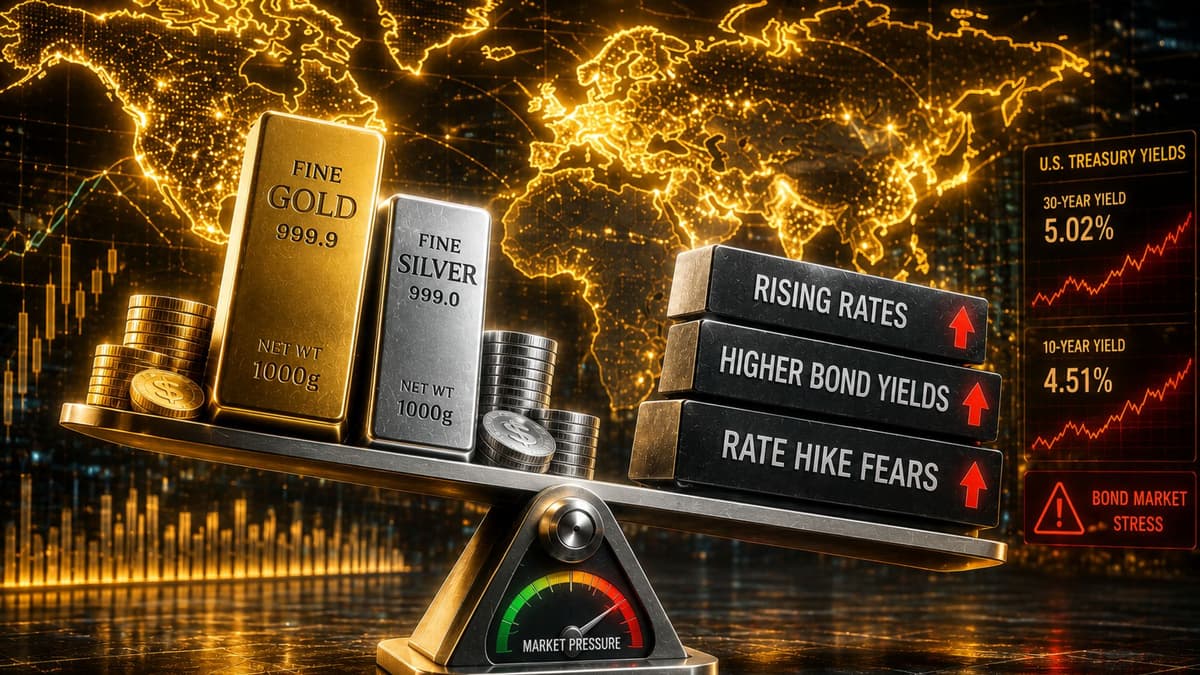
He said, "Typically when there's a debasement trade, gold gets the pump first, and then Bitcoin follows later." That view is important for readers of IndiaGoldPrice because it places the current gold rally within a broader hard-assets framework that also includes Bitcoin.
How does gold's 2025 performance fit this pattern?
Gold's strong performance in 2025 fits this pattern because it was supported by record demand and continued central bank buying. Terpin said that setup matches the early stage of a debasement trade, where gold price strength leads broader rotation into alternative stores of value.
Bitcoin, by contrast, is consolidating and correcting, which suggests it remains in a later stage of that rotation. For Indian investors, this distinction matters because gold jewellery demand, investment bar and coin demand, and sovereign concerns around currency stability can all support bullion even when crypto markets weaken.
What does this mean for Indian gold buyers?
For Indian gold buyers, the message is that global demand for safe-haven assets can continue to support gold price trends even if Bitcoin remains volatile. If gold keeps attracting debasement-trade flows, Indian domestic prices may also stay firm depending on the INR exchange rate, import costs and international XAUUSD moves.
A stronger US dollar can pressure commodities in dollar terms, but a weaker rupee can still keep local bullion prices elevated. That is why Indian investors should track both international gold prices per troy ounce and rupee-denominated rates.
How are retail and institutional Bitcoin investors behaving differently?
Retail and institutional investors are behaving very differently in this cycle, according to Terpin. He said retail money often reacts to price momentum, while longer-term and corporate buyers continue to absorb supply.
What did Terpin say about ETF flows?
Terpin said exchange-traded funds have become a channel for newer investors, but those flows tend to chase price rather than anticipate it. That means ETF investors often buy strength and sell weakness.
He said, "You'd see that there's net outflows when the price is down and then inflows when the price is up. That's the exact opposite of how you should be behaving." In other words, ETF behaviour can amplify short-term volatility rather than smooth it.
Who is removing Bitcoin supply from the market?
Long-term holders and corporate treasury buyers are removing supply from the market. Terpin highlighted Michael Saylor as a prominent example of that trend.
He said, "Michael Saylor is certainly on track to have a million Bitcoin." If large strategic holders continue to accumulate, available supply could tighten further after the correction phase runs its course.
What should Indian investors watch next in gold and Bitcoin markets?
Indian investors should watch whether Bitcoin moves toward Terpin's $40,000-$55,000 downside zone and whether the expected October 2026 capitulation event begins to unfold. At the same time, they should monitor whether gold continues to lead the debasement trade through central bank buying, safe-haven demand and currency concerns.
If bullion stays strong while Bitcoin corrects, that would reinforce Terpin's argument that gold moves first in this cycle. For India, the next key watchpoints are international gold price momentum, XAUUSD, Bitcoin's response to tightening supply, and the USD/INR impact on local bullion rates.
According to Michael Terpin, the current downturn remains a correction within a longer-term trend that has historically produced higher highs after supply tightens and global participation expands. That makes the coming months important not just for crypto traders, but also for Indian investors deciding how to balance exposure between gold, precious metals and higher-volatility digital assets.