# Gold Price Rises After Soft US PPI Surprise in March
Gold price moved higher after the latest U.S. producer inflation data came in below expectations. Spot gold was last trading at $4,774.60 per troy ounce, up 0.73% on the day, as softer-than-forecast Producer Price Index data supported bullion and reinforced its appeal as a safe-haven asset.
Why did gold price rise after the U.S. PPI report?
Gold price rose because the March U.S. Producer Price Index data was cooler than economists expected. Lower-than-forecast wholesale inflation can reduce pressure on the Federal Reserve to stay aggressive on interest rates, which tends to support non-yielding assets such as gold.
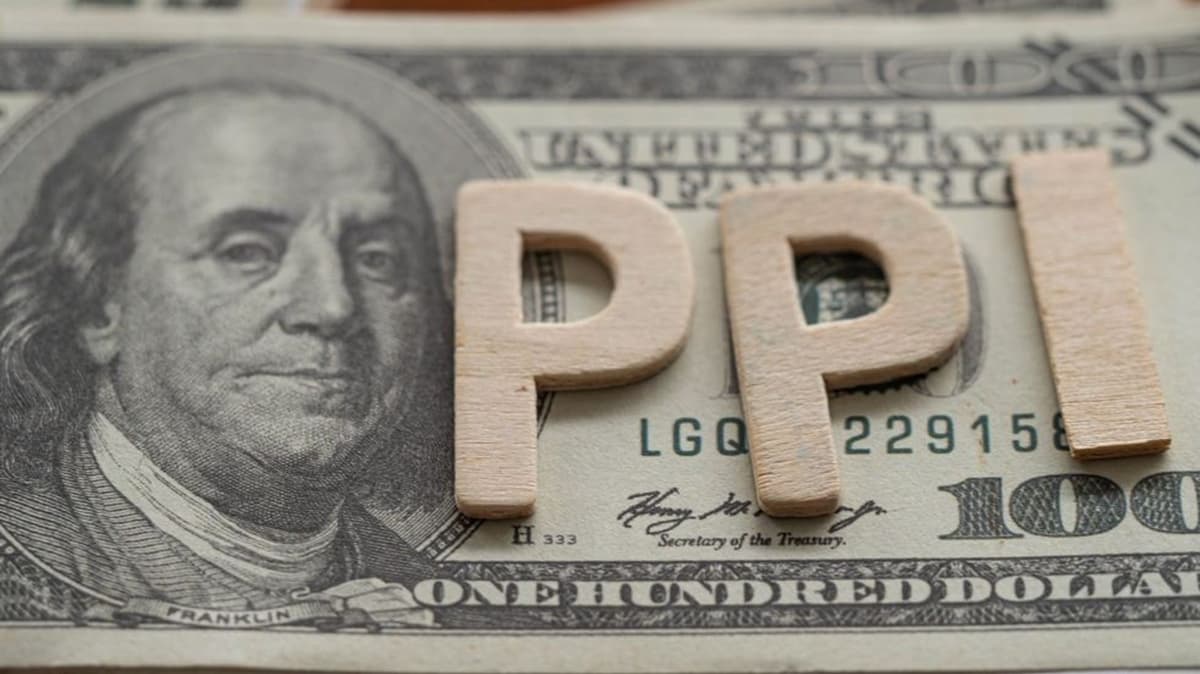
According to the U.S. Labor Department on Tuesday, headline PPI rose 0.5% in March, matching February’s revised 0.5% increase. Economists had forecast a much stronger 1.1% monthly rise.
On an annual basis, headline wholesale inflation increased 4.0% over the last 12 months. That was the largest 12-month advance since February 2023, when prices rose 4.7%.
Even so, the annual reading still came in below expectations. Economists had expected headline PPI to rise 4.7% year over year.
How did the gold market react immediately?
Gold prices posted a modest gain in the initial reaction to the inflation report. Spot gold, or XAUUSD in the international market, was last seen at $4,774.60 an ounce, up 0.73% on the day.
That response suggests traders viewed the data as supportive for bullion, even though gold remains stuck inside a broader trading range.
What did core PPI show in March?
Core PPI also came in softer than expected, which added to the supportive backdrop for gold. Core producer inflation strips out volatile food and energy prices and often gives markets a cleaner read on underlying price pressure.
The report showed that core PPI rose 0.1% last month, following February’s revised 0.3% increase. Consensus forecasts had called for a 0.4% monthly increase.
Over the past 12 months, core PPI increased 3.8%. That was also below economists’ expectations for a 4.2% annual gain.
Why does softer core inflation matter for bullion?
Softer core inflation matters because it can ease fears that inflation is accelerating broadly through the economy. If inflation pressures look more contained, markets may expect a less hawkish Federal Reserve path, which can improve sentiment toward precious metals including gold.
For bullion investors, lower inflation surprises can also weigh on the U.S. dollar and bond yields at the margin, both of which often influence XAUUSD.
What does PPI mean for inflation and Federal Reserve expectations?
PPI matters because it is a leading inflation indicator. Producers often pass higher input costs on to consumers, so wholesale inflation can signal where consumer inflation may head next.
The March data showed inflation pressures were still elevated, but not as strong as economists feared. Headline PPI at 0.5% month on month and 4.0% year on year remained firm, yet both readings undershot expectations of 1.1% and 4.7% respectively.
Core PPI told a similar story. The 0.1% monthly rise and 3.8% annual increase both landed below estimates of 0.4% and 4.2%.
That combination can be constructive for gold price because it suggests inflation is not running hot enough to deliver an even more aggressive policy signal than markets had feared.
Is gold still trapped in a broader trading range?
Yes, gold is still trading within a broader range, even though it gained bullish momentum after the data release. The source article noted that the gold market is attracting some bullish momentum while remaining trapped within a wider trading band.
This means the latest move higher is positive for near-term sentiment, but it does not yet confirm a larger breakout in bullion. Traders in XAUUSD will likely continue to watch incoming U.S. inflation data, Federal Reserve signals, and broader macro trends for direction.
What should Indian investors watch from here?
Indian investors should watch both the international gold price and the rupee-dollar exchange rate. Even when spot gold rises in U.S. dollars, domestic gold prices in India can move more sharply if the Indian rupee weakens against the U.S. dollar.
For buyers of physical gold, jewellery, coins, bars, and gold ETFs in India, softer U.S. inflation data can be supportive for global bullion prices. If that coincides with INR weakness, local gold rates may stay firm or climb further.
Indian investors should also track whether softer U.S. wholesale inflation feeds into expectations for future Federal Reserve decisions. That remains a key driver for global precious metals, including gold and silver.
For now, the key watchpoint is simple: if upcoming U.S. inflation readings continue to come in below consensus, gold price could build on this rebound from $4,774.60 per ounce and test the upper end of its broader range.