# Gold Price Falls to Session Lows After Hot US PPI Shock
Gold prices slipped to session lows on Wednesday after the latest US producer inflation data came in far hotter than expected, reinforcing fears that inflation pressures remain sticky and could keep the Federal Reserve cautious for longer. Spot gold last traded at $4,679.50 per troy ounce, down 0.75% on the day, even though the initial market reaction was relatively muted.
For Indian investors, the move matters because persistent US inflation can keep the US dollar and Treasury yields elevated, which often pressures global bullion prices such as XAUUSD. At the same time, any weakness in the rupee can partly cushion the fall in domestic gold rates in INR terms.
What Drove Gold Prices Down Today?
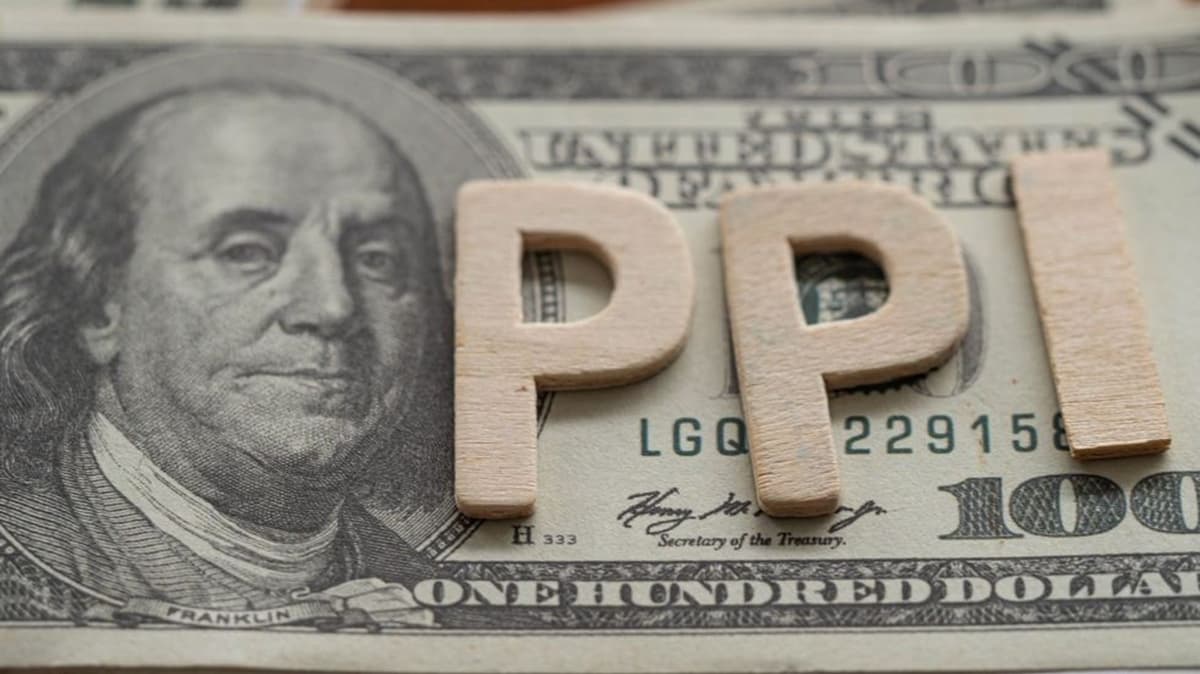
Hotter-than-expected US producer inflation pushed gold prices lower. The April Producer Price Index (PPI) showed that wholesale inflation accelerated much more sharply than economists had forecast, reviving concerns that inflation is becoming entrenched across the US economy.
The US Labor Department said on Wednesday that headline PPI rose 1.4% in April, following a 0.7% increase in March. Economists had expected only a 0.5% rise, making the data a significant upside surprise.
That inflation shock weighed on bullion because stronger price pressures can reduce expectations for near-term Federal Reserve rate cuts. When markets believe US interest rates may stay higher for longer, gold often loses momentum because it does not offer a yield.
How did spot gold react?
Spot gold did not see a dramatic immediate selloff right after the release, but prices still moved down to session lows as the market absorbed the inflation signal. Spot gold was last quoted at $4,679.50, down 0.75% on the day.
That price action suggests the gold market remains stuck in a fragile range, with downside pressure building as inflation data challenges the bullish case for lower US rates.
Why Is US Producer Price Index Important for Gold?
US PPI matters for gold because it is a leading inflation indicator. Producer prices measure cost pressures earlier in the supply chain, and businesses often pass those higher costs on to consumers over time.
That means hotter PPI data can signal that broader inflation may remain elevated, even after previous efforts by the Federal Reserve to cool the economy. For gold traders, that creates a difficult backdrop: gold benefits from inflation hedging demand, but it can also come under pressure if inflation keeps interest rates high.
What did the annual inflation data show?
The report said headline wholesale inflation increased 6.0% over the last 12 months. That was the largest 12-month advance since December 2022, when prices rose 6.4%.
This comparison is important because it shows producer inflation is not just rising on a monthly basis; it is also reaccelerating on an annual basis. That strengthens the view that inflation pressures are becoming harder to reverse.
How Strong Was Core Producer Inflation in April?
Core producer inflation was also much stronger than expected. Core PPI, which excludes volatile food and energy prices, rose 1.0% in April.
Economists had expected core producer prices to rise just 0.3%, so the actual reading was well above consensus forecasts. That broad-based upside surprise makes the report more concerning for financial markets because it suggests inflation is not being driven only by volatile categories.
What does the yearly core PPI trend show?
On an annual basis, core inflation rose 4.4%. That marked the largest 12-month increase since February 2023, when core inflation jumped 4.5%.
The core reading is especially important because investors and policymakers often watch it as a cleaner measure of underlying inflation trends. A stronger core number can make the Federal Reserve less comfortable about easing monetary policy quickly.
How Do Rising Inflation Fears Affect Gold Prices?
Rising inflation fears pressure gold when traders expect the Federal Reserve to keep policy tighter for longer. While gold is widely viewed as a safe-haven asset and an inflation hedge, the short-term reaction often depends on interest-rate expectations, real yields and the US dollar.
In this case, the hotter April PPI data increased downside pressure on bullion because the market now faces a more difficult policy outlook. If inflation remains sticky, the Federal Reserve may have less room to cut rates, and that can weigh on non-yielding assets like gold.
The source article noted that the gold market remains stuck and faces further downside pressure because of rising inflation fears after producer prices rose substantially more than expected in April. Wednesday’s session low in XAUUSD reflects that concern.
What Does This Mean for Indian Gold Investors?
Indian investors should watch both global gold prices and the rupee-dollar exchange rate. A decline in spot gold to $4,679.50 per ounce can pressure domestic bullion prices, but INR weakness can offset some of that fall in local markets.
For buyers in India, the key takeaway is that US inflation data still plays a major role in setting the direction for international precious metals. If US producer inflation continues to surprise on the upside, it could keep global gold price gains capped even if long-term safe-haven demand remains intact.
Indian jewellery buyers, bullion traders and ETF investors should also track whether stronger wholesale inflation feeds into future consumer inflation data. If that happens, it could reshape Federal Reserve expectations and create more volatility in gold, silver and the broader precious metals complex.
The next major watchpoint for Indian investors is whether upcoming US inflation and rate signals confirm that price pressures are becoming embedded in the economy. If they do, gold may remain under pressure in the near term even as long-term strategic demand for safe-haven assets stays in focus.