# Jurisdiction Risk in Gold Mining Surges as Mega Projects Face Pressure
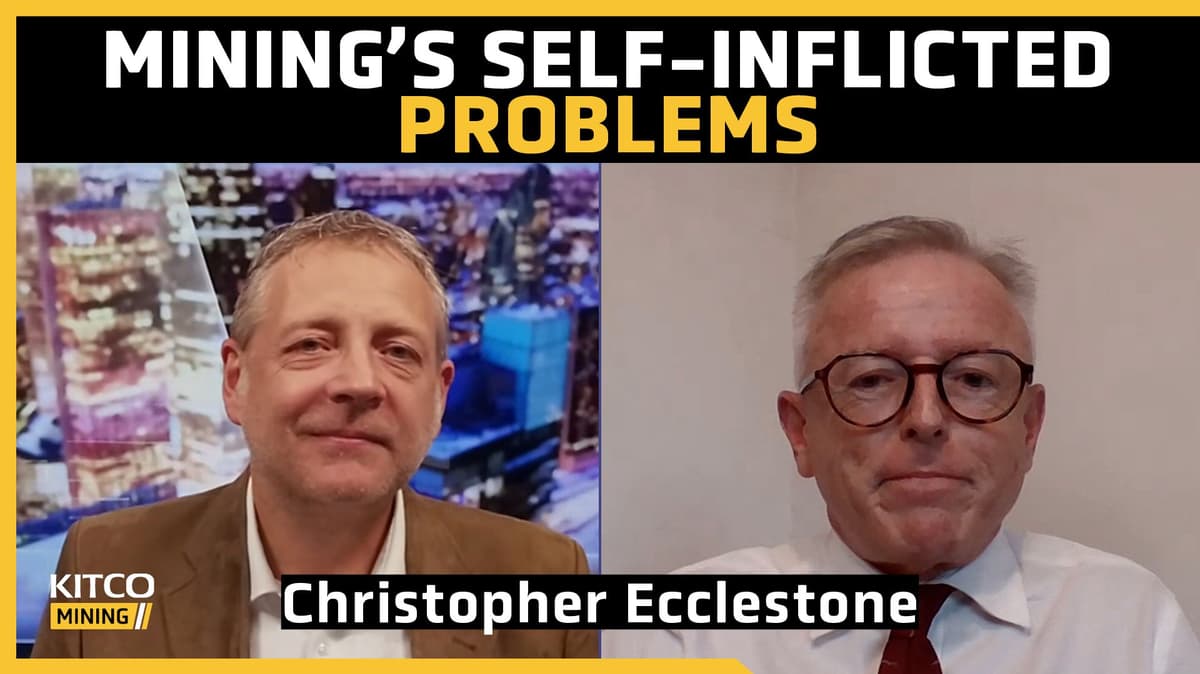
Large mining projects are becoming more vulnerable to political and fiscal pressure once they reach a scale that host governments cannot ignore. Christopher Ecclestone, principal and mining strategist at Hallgarten + Company, said recent events in Turkiye, Colombia, and Mongolia show that miners can lose bargaining power after committing billions of dollars to a project.
For Indian investors tracking gold price trends, bullion supply, and long-term precious metals sentiment, this matters because rising jurisdiction risk can disrupt mine output, delay new supply, and reshape the economics of global gold production. That can eventually influence gold price expectations, mining valuations, and the broader safe-haven appeal of gold.
What is driving the rise in jurisdiction risk for global miners?
The main driver is that political leverage often shifts toward host governments once a mining company has invested too much capital to walk away easily. Ecclestone said this dynamic becomes especially dangerous when a mine grows so important to a company’s business model that abandoning it is no longer realistic.
Speaking with Kitco Mining’s Digging Deep, Ecclestone said the pressure builds when a project requires billions in capital and local authorities or communities begin to reassess whether the original economic terms still look fair. In that situation, governments can demand more concessions, tougher fiscal terms, or policy changes.
Ecclestone summed up the problem clearly: once a company is deeply committed, it becomes much more exposed. He said, “Once you're in there with such an enormous investment and so much of a part of your business model, then the government can apply the squeeze to you, and you're much more vulnerable.”
Why do very large mines face more pressure?
Very large mines attract more scrutiny because they concentrate economic value, environmental concerns, and political attention in one place. Ecclestone argued that projects built around giant open pits often become harder to defend when social or environmental opposition intensifies.
He criticized what he sees as an industry bias toward oversized developments. He said, “Once again, this obsession of big miners with big pits, they cannot get over it. This gigantism in the mining sector is part of the problem.”
That matters for the gold market because large-scale gold and copper-gold projects can represent major future bullion supply. If those projects face delays, disputes, or exits, investors in XAUUSD, gold miners, and precious metals funds may need to factor in higher long-term supply risk.
Why did SSR Mining sell its Copler gold mine stake in Turkiye?
SSR Mining agreed to sell its 80% stake in the Copler gold mine in Turkiye for $1.5 billion in cash after operations were suspended following a fatal heap leach incident. Ecclestone said the transaction shows how miners may choose to exit jurisdictions where operational problems and political pressure collide.
Earlier this month, SSR Mining agreed to sell the stake after the mine remained suspended since a heap leach incident in February 2024 that killed nine workers. The scale of the incident and the prolonged shutdown sharply changed the risk-reward balance around the asset.
Ecclestone said the company was effectively taking an attractive exit while it still could. He described the deal bluntly: “SSR is getting a good price to get the hell out of Dodge.”
What does the Copler sale signal for the gold market?
The Copler sale signals that mining companies may prefer asset exits over extended battles with regulators and governments when jurisdiction risk rises. That approach can protect corporate balance sheets, but it also highlights how fragile gold supply can become in politically sensitive regions.
For Indian investors, supply disruptions at producing gold mines can support longer-term bullion prices, especially when safe-haven demand is already firm. While one asset sale does not directly move domestic gold rates in India overnight, repeated disruptions across key jurisdictions can tighten future supply expectations and feed into bullish gold price narratives.
Why is AngloGold Ashanti exiting the La Colosa gold project in Colombia?
AngloGold Ashanti is stepping back from La Colosa because local political opposition has stalled the project for years. The company agreed to sell the Colombian gold project to Mineros for $10 million upfront, with up to $60 million in contingent payments linked to development milestones.
Exploration at La Colosa has largely been suspended since a 2017 local referendum opposed mining in the Cajamarca municipality. That referendum became a major obstacle to advancing one of the world’s better-known undeveloped gold assets.
Mineros said the project carries a historical mineral resource estimate reported by AngloGold in late 2024. That estimate totals about 23.35 million ounces of gold in the indicated category and 4.98 million ounces in the inferred category, though Mineros said it has not yet verified the estimate as a current mineral resource.
Why is La Colosa important to gold supply?
La Colosa is important because it contains a very large gold resource base on paper, even though development has stalled. A project with 23.35 million indicated ounces and 4.98 million inferred ounces would normally attract strong industry interest in a supportive jurisdiction.
But the case also shows that geological scale alone does not guarantee mine development. For Indian bullion investors, that is a key point: not every ounce identified in the ground becomes future gold supply, which can keep long-term global supply tighter than headline resource numbers suggest.
How are fiscal tensions in Mongolia affecting mining risk?
Fiscal tensions in Mongolia are raising risk because the government is reassessing whether existing agreements capture enough value from a major mine. Ecclestone pointed to the Oyu Tolgoi copper mine, where debate over the economic balance of the project intensified after a parliamentary resolution late last year and continued in talks between Rio Tinto and Mongolian officials.
Although Oyu Tolgoi is a copper mine rather than a gold mine, the issue is highly relevant across the mining sector. Once a project starts generating significant revenue, governments may revisit taxes, royalties, or profit-sharing terms.
Ecclestone’s warning was direct: “The bigger the project is, the harder they fall.” His point was that projects with the largest capital commitments can become the most exposed when political expectations change.
Why do governments revisit mining terms after projects mature?
Governments revisit mining terms because the perceived value of a deposit often rises after development risk falls. Early agreements may look acceptable when a project is uncertain, but they can become politically controversial once production ramps up and revenues become visible.
Ecclestone said these disputes often emerge when host governments decide that original project agreements no longer capture enough of the value of major deposits. That can lead to long negotiations, investor uncertainty, and weaker confidence in future mine financing.
Are mining companies also contributing to these conflicts?
Yes, Ecclestone said miners often contribute to these disputes through poor political judgment and rigid project design. He argued that companies sometimes misread local conditions or stick to development models that do not adapt to environmental, social, or political realities.
He said, “There are a lot of self-inflicted injuries in the mining space.” That criticism suggests jurisdiction risk is not only imposed from outside; in some cases, miners increase their own vulnerability.
What strategic mistakes do miners make?
Miners often make two core mistakes: they underestimate political risk and overestimate the strength of project economics in a changing local environment. A company may assume a permit path, tax framework, or community relationship will remain stable for years, even when those conditions are shifting.
Ecclestone also implied that excessive project scale can itself become a strategic mistake. When companies pursue giant pits and massive capital outlays, they may reduce their own flexibility and hand host governments more leverage later.
Which countries are trying to attract mining investment instead?
Argentina is moving in the opposite direction by trying to attract large-scale mining investment with a new policy framework. The country introduced an investment regime known as RIGI to accelerate major resource development.
Recently, AbraSilver said its Diablillos silver-gold project in Salta had received formal approval under the RIGI regime. That approval suggests Argentina wants to speed capital commitments rather than let companies delay projects while waiting for better commodity prices.
Ecclestone said the policy is designed to encourage earlier investment and faster economic benefits. Referring to the government’s goals, he said: “He wants to see the financial benefit now. He wants to see the jobs created now.”
Why does Argentina’s policy matter for gold and silver investors?
Argentina’s policy matters because supportive jurisdictions can attract capital that leaves more difficult regions. That can shift future gold and silver mine development pipelines, especially for companies weighing where to deploy scarce investment dollars.
For Indian investors following bullion and precious metals, this is important because long-term supply is not determined only by geology or the gold price per troy ounce. Policy support, permitting clarity, and fiscal stability can decide which projects actually move forward.
What does rising jurisdiction risk mean for Indian gold investors?
Rising jurisdiction risk can support the long-term gold price by making future mine supply less predictable. When miners sell assets, pause development, or face renegotiations, the global bullion market can become more sensitive to disruptions.
Indian investors should also watch how such developments interact with the rupee, global XAUUSD prices, and safe-haven demand. If global gold supply growth slows while geopolitical and fiscal uncertainty stays elevated, domestic gold prices in INR can remain supported even when international price swings are volatile.
This trend also matters for investors in gold mining equities, ETFs, and diversified precious metals portfolios. A jurisdiction-friendly project may deserve a premium over a larger but politically fragile asset.
The broader lesson from Ecclestone is straightforward: scale does not guarantee security in mining. For investors watching the gold price outlook, the key watchpoint is whether more producers and developers begin exiting high-risk jurisdictions or demanding stronger legal and fiscal protections before committing fresh capital.