# Copper Price Near $6.25 Revives Mine Supply Fears
Copper prices near $6.25 per pound are improving miner margins, but they are not fixing the deeper supply problem. Neil Adshead, Consultant Analyst at the Commodity Discovery Fund, said miners still face the same core challenge: adding new copper tonnes remains slow, expensive, and operationally difficult.
For Indian investors, that matters beyond base metals. Copper is a key barometer for global industrial growth, risk appetite, and commodity inflation. A tight copper market can influence broader metals sentiment, including bullion, precious metals, mining equities, and the rupee-linked cost outlook for imported commodities.
Why is copper near $6.25 putting mine supply back in focus?
Copper near $6.25/lb is back in focus because higher prices improve project economics, but they do not remove the structural barriers to new mine supply. The market is again asking whether miners can actually deliver fresh production.
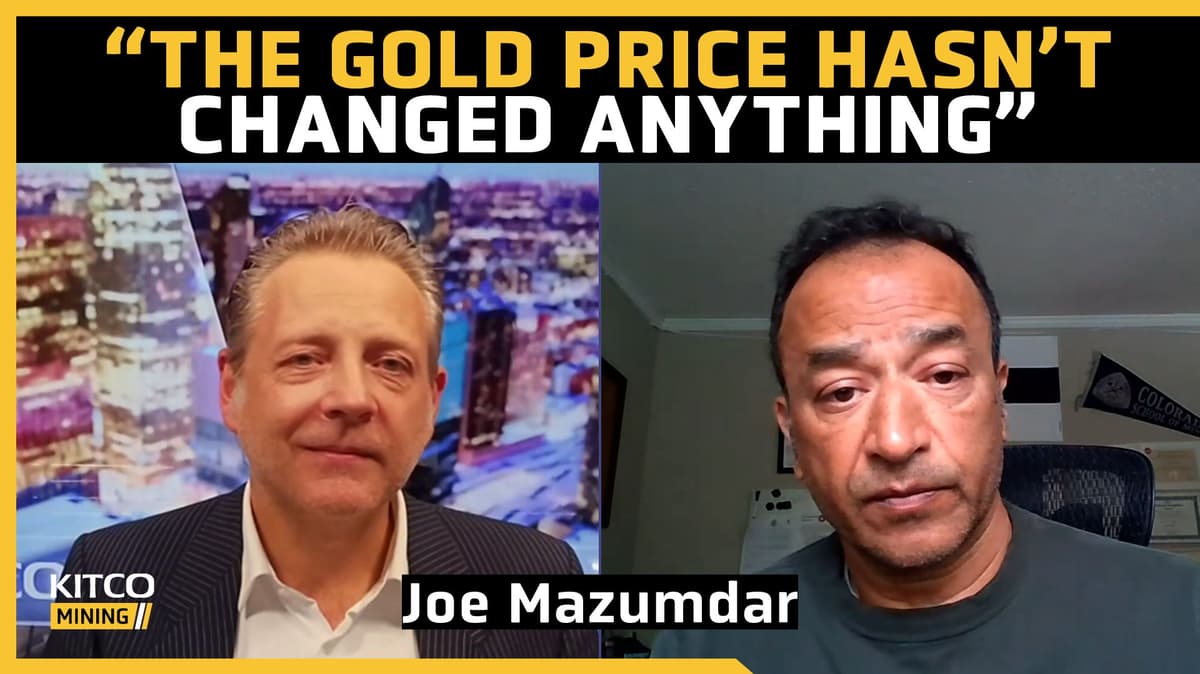
Speaking with Kitco Mining’s Digging Deep on May 13, Neil Adshead said the industry’s supply issue has not changed even as prices rise. He said getting new tonnes into the market is still slow, costly, and hard to execute.
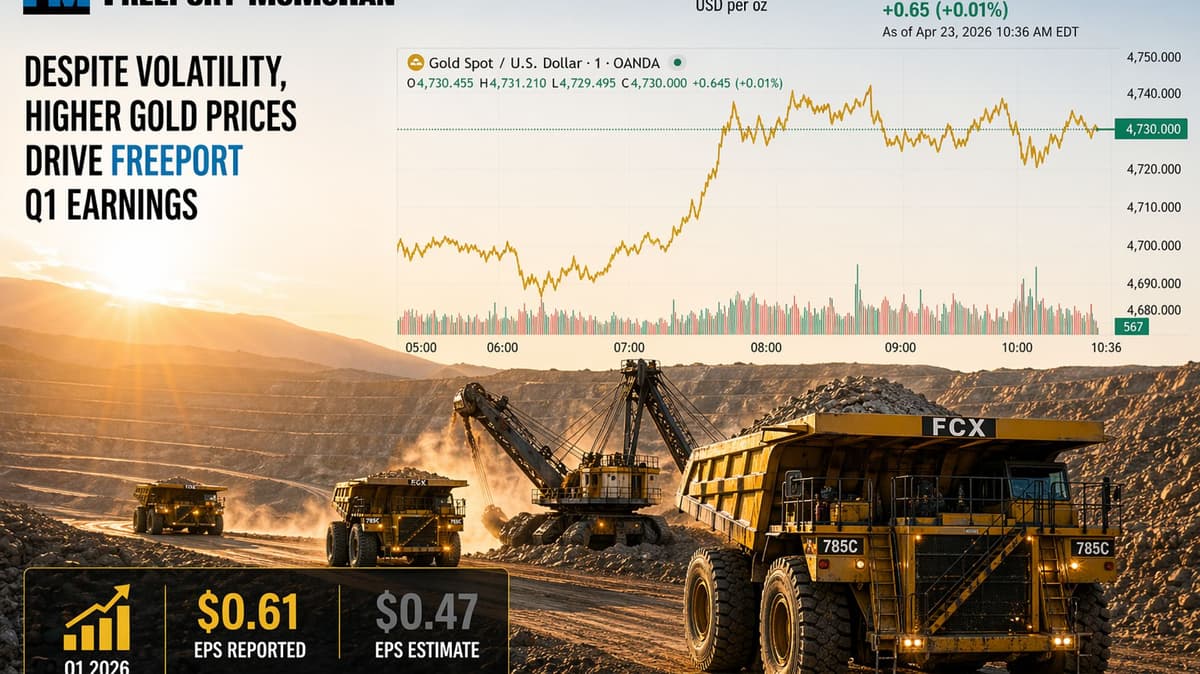
Adshead linked the current concern around Freeport-McMoRan’s Grasberg mine in Indonesia to a broader pattern across major copper operations. PT Freeport Indonesia adjusted its recovery schedule in May after last year’s mudslide, while parent company Freeport-McMoRan said it still expects full production by year-end 2027.
“It is difficult out there for these major miners to keep up,” Adshead said.
That message matters for commodity investors because higher spot prices can lift sentiment quickly, but mine supply responds with long delays. In markets such as gold, silver, and copper, that lag often keeps long-term price support intact.
What problems are the world’s biggest copper mines facing?
The biggest copper mines are struggling with age, lower ore grades, more complex mine plans, and recurring disruptions. Adshead said many of the world’s largest operations have been running for decades, which raises both technical and economic pressure.
According to Adshead, some of these long-life mines are now dealing with declining grades. Lower grades typically mean miners must process more material to produce the same amount of copper, which increases operating costs and complicates mine planning.
How do falling grades affect copper production?
Falling grades reduce efficiency and squeeze returns unless copper prices remain strong. Even with copper close to $6.25/lb, producers still need to manage more difficult ore bodies and operational setbacks.
Adshead summed it up directly:
“Some of these mines are now decades old, and the grades are dropping,” he said.
For Indian investors, lower grades and slower supply growth can keep industrial metals elevated over time. That can feed into inflation expectations, manufacturing costs, and commodity-linked market volatility, all of which can influence safe-haven demand for gold in India.
Can large undeveloped copper deposits solve the supply shortage?
Large undeveloped deposits can help, but size alone does not make a project financeable. Adshead said the market is paying more attention to major undeveloped copper assets, yet boards still need to justify the massive upfront capital.
A key example is First Quantum Minerals’ La Granja project in Cajamarca, Peru. The company published an updated resource showing measured and indicated resources of 4.83 billion tons grading 0.48% copper, containing 23 million tons of copper.
First Quantum is studying a development concept that could produce 500,000 tons of copper a year. That headline scale is significant, but Adshead said the central issue is not geology alone. The bigger question is whether management and boards will approve the spending needed to build the mine.
Why is La Granja still a difficult investment decision?
La Granja is difficult because even at today’s copper price, boards may hesitate to commit huge capital without faster payback visibility. Adshead said the grade would likely work at current copper prices if the mine were already built, but new construction is a different decision.
A major challenge is the lack of a high-grade starter pit, which could otherwise shorten the payback period. Without that early cash-flow boost, financing becomes harder.
“I just think as an economic proposition, even at $6 copper, it’s going to be a difficult one for the boards of the companies to commit the huge amount of capital required,” he said.
This distinction is important for investors across metals. A commodity price rally can make spreadsheets look better, but it does not guarantee final investment approval, smooth construction, or acceptable returns.
How does concentrate quality affect copper mine economics?
Concentrate quality matters because impurities can cut into realized margins through penalties. La Granja highlights that issue clearly, especially around arsenic.
First Quantum said it has improved its understanding of arsenic distribution and expects concentrate penalties to be manageable. Adshead said arsenic can become a meaningful economic factor because it may concentrate during processing and trigger penalties when miners sell concentrate.
Why does arsenic matter to copper investors?
Arsenic matters because smelters and buyers pay less for lower-quality concentrate. Even if a deposit is large and copper prices are high, poor concentrate quality can reduce project returns.
Adshead said project economics ultimately depend on the margin earned from selling cleaner concentrate.
“Ultimately, it’s driven by the economic return and the margin that you get from selling as clean a concentrate as you want,” he said.
For Indian commodity watchers, this is a reminder that supply risk is not only about tonnage. Quality, treatment terms, and processing costs can all shape global metal pricing and cross-market sentiment that affects bullion and mining shares.
Where is capital flowing in the copper market now?
Capital is returning to copper, but investors are backing projects with scale, jurisdictional strength, and a clear development case. Recent deals show that money is available, but only for assets that meet strict filters.
On March 2, Hudbay Minerals announced it would acquire Arizona Sonoran Copper, adding the Cactus project to its Arizona business. On April 30, Lumina Metals completed an upsized C$406.2 million initial public offering to advance copper-silver projects in Poland.
These transactions suggest investor interest is strongest where project scale, location, and execution visibility line up. In other words, higher copper prices are helping capital formation, but selectivity remains high.
Why are gold mining deals relevant to the copper supply story?
Gold mining deals matter because they show how mining capital is rewarding scale, jurisdiction, and market relevance across the sector. Adshead said gold is seeing a similar consolidation push.
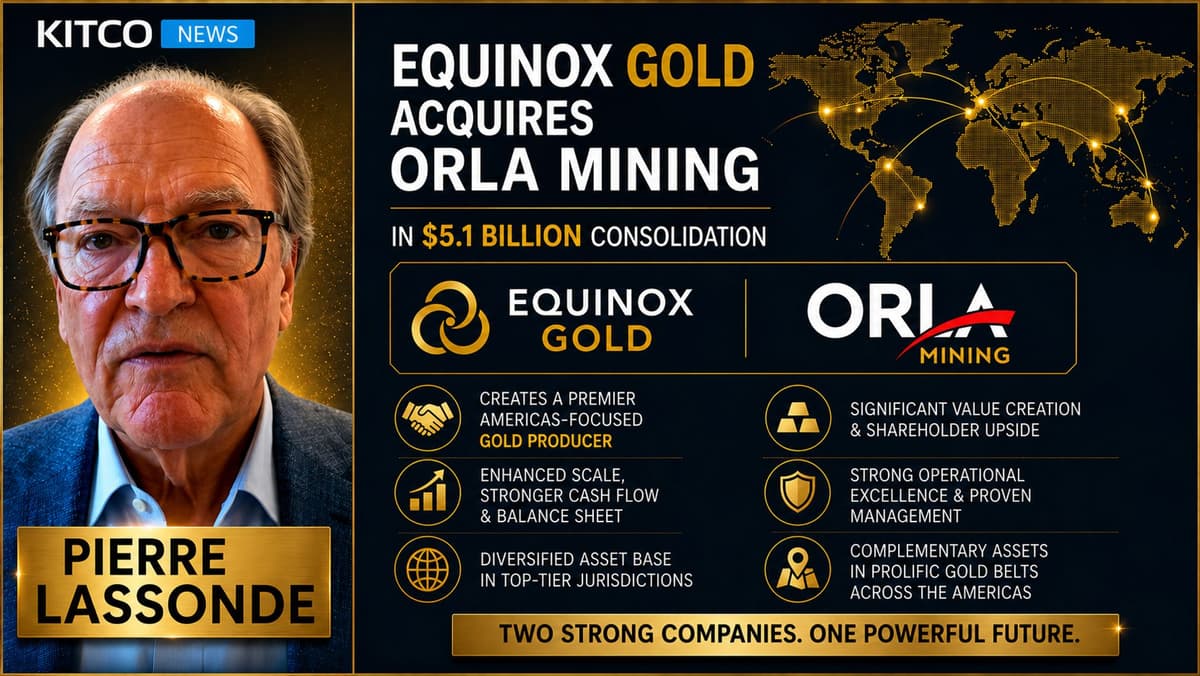
On May 13, Equinox Gold and Orla Mining announced they would combine in an all-stock transaction. The deal would create a North American-focused gold producer with expected 2026 production of 1.1 million ounces and a development pipeline that could lift annual output to more than 1.9 million ounces.
Adshead said the transaction looks less like a move to add major new gold supply and more like an effort to build a larger company that can attract wider pools of capital.
“It kind of makes sense just to make two modest-sized, mid-tier gold producers slightly bigger,” he said.
Does the Equinox-Orla deal offer major synergies?
No, Adshead said the deal does not appear to offer major operating synergies beyond head-office savings. He argued that the main value lies in scale, index relevance, and North American exposure.
That matters because geopolitical risk is still shaping capital allocation decisions. For Indian investors in gold and precious metals, this reinforces a wider trend: miners with safer jurisdictions and larger market profiles may command stronger valuations.
How does jurisdictional risk shape mining investment decisions?
Jurisdictional risk remains a major factor because higher metal prices alone cannot offset contract uncertainty, security concerns, or political delays. Adshead said the same theme applies beyond copper and gold mergers.
The article pointed to Barrick’s Reko Diq copper-gold project in Pakistan. Harris noted that contract issues were cited as a reason for pausing work for at least 12 months against a difficult security backdrop in Balochistan.
For Indian investors, jurisdiction matters especially in neighboring and emerging-market mining regions. Contract disputes, security concerns, and permitting delays can tighten supply expectations for copper and gold, which can in turn support commodity prices in rupee terms if the INR weakens or global risk aversion rises.
What does this mean for copper, gold, and Indian investors now?
The key takeaway is that higher metal prices are helping mining economics, but they are not solving the supply challenge. Investors still want proof that companies can turn large deposits into operating mines without losing control of capital costs, development timelines, or jurisdictional risk.
That has implications well beyond copper. Tight supply in industrial metals can support inflation-sensitive trades, while persistent execution risk in mining can strengthen the long-term case for hard assets such as gold and silver as portfolio diversifiers.
Indian investors should now watch three signals closely: whether copper can sustain levels near $6.25/lb, whether large projects like La Granja advance toward financing, and whether disruptions at assets such as Grasberg improve before year-end 2027. Those indicators will help shape the outlook not only for copper prices, but also for broader commodity sentiment, mining equities, and safe-haven positioning in the Indian market.